

Ferdinand Magellan
Images
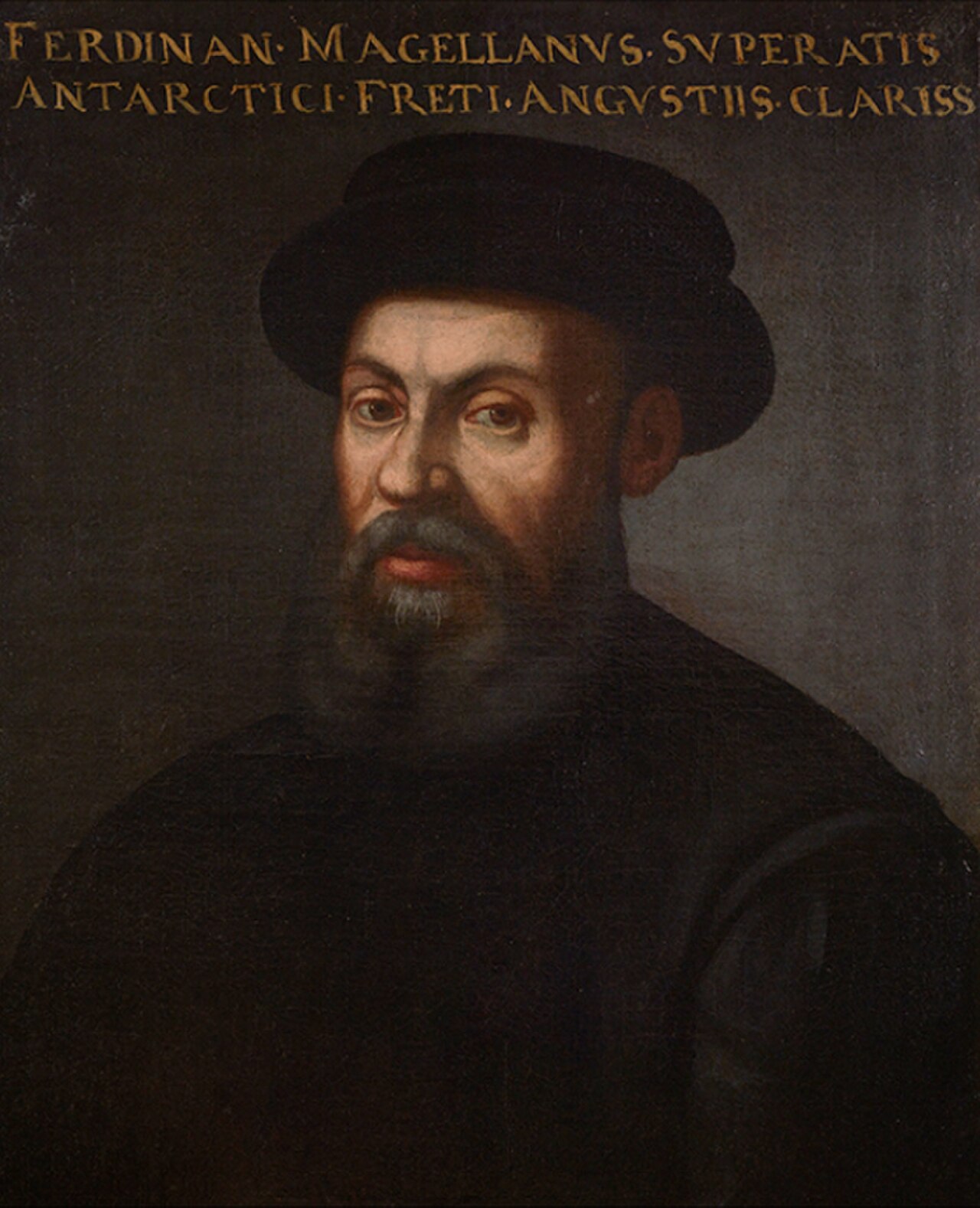
Ferdinand Magellan
From Portuguese Service to Spanish Ambition
Ferdinand Magellan, born around 1480 into minor Portuguese nobility, honed his seafaring and military skills in the service of the Portuguese Crown, undertaking voyages to Asia between 1505 and 1511–1512. His intimate knowledge of eastern routes and trade winds fueled an audacious proposal: to reach the Moluccas (Spice Islands) by sailing westward around the Americas. This was a radical departure from established routes and a concept that King Manuel I of Portugal rejected.
Frustrated but undeterred, Magellan presented his plan to King Charles I of Spain. Recognizing the potential strategic and economic advantages, Charles I approved the venture, appointing Magellan as an admiral and granting him command of a fleet of five ships, the 'Armada of Molucca,' in 1518. This marked a significant shift, as Magellan, a Portuguese subject, was now leading a Spanish expedition, driven by a desire to prove his navigational theories and secure a western route to the lucrative spice trade.
The Armada's Odyssey
The expedition departed from Sanlúcar de Barrameda, Spain, in September 1519, embarking on a monumental voyage. Their initial trajectory led them southwest across the Atlantic, charting the eastern coast of South America. The journey was fraught with peril; the fleet endured severe storms that threatened to capsize the ships and faced internal dissent, including a significant mutiny in Patagonia that Magellan ruthlessly suppressed.
His unwavering determination was crucial in maintaining the expedition's momentum. After a protracted search, Magellan successfully navigated the fleet through a treacherous strait at the southern tip of the continent, a passage that would later bear his name: the Strait of Magellan. This discovery was a monumental geographical achievement, opening a vital sea lane between the Atlantic and the Pacific.
Confronting the Pacific and the Philippines
Emerging from the strait, the fleet entered a vast, seemingly endless ocean. Magellan, struck by its relative calm compared to the Atlantic, christened it 'Mar Pacifico,' the Peaceful Sea, a name that has endured as the Pacific Ocean. This crossing proved to be the most arduous phase of the expedition.
For nearly four months, the ships sailed westward with minimal provisions, leading to widespread starvation and the outbreak of scurvy among the crew. They eventually made landfall on Guam, where they were able to replenish their supplies. From Guam, the expedition continued to the Philippines, reaching the archipelago in 1521.
This marked the first significant European contact with the region, setting the stage for future colonial interactions.
Magellan's Demise and the Completion of the First Circumnavigation
Tragically, Ferdinand Magellan's life was cut short on April 27, 1521, during the Battle of Mactan in the Philippines. He was killed by native warriors, a casualty of local conflicts he became involved in. Despite this devastating loss, the expedition's objective was not abandoned.
Under the command of Spanish navigator Juan Sebastián Elcano, the remaining ships, the Trinidad and the Victoria, continued their journey. They finally reached the Moluccas, securing a cargo of spices. The two ships then separated; the Victoria, captained by Elcano, sailed west across the Indian Ocean and around Africa, eventually returning to Spain in September 1522.
This triumphant return, accomplished by only one of the original five ships and a fraction of the crew, marked the successful completion of the first circumnavigation of the Earth. Magellan's vision, though he didn't live to see its completion, fundamentally reshaped global understanding and ushered in an era of unprecedented exploration.
Go deeper
Frequently Asked Questions
Who was Ferdinand Magellan?+
Why did Magellan want to sail west to the Spice Islands?+
What is the Strait of Magellan?+
How did Magellan name the Pacific Ocean?+
What happened to Magellan during the voyage?+
Based on content from Wikipedia · Licensed under CC BY-SA 4.0