

Egyptair: Flying High with Egypt!
Images

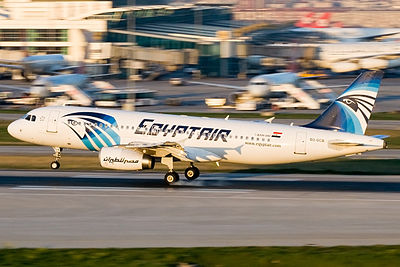
EgyptAir Airbus A320 (SU-GCC) on finals at Ataturk Airport


Strategic Foundation
Egyptair stands as the state-owned flag carrier of Egypt, a designation that imbues it with significant national and economic importance. Headquartered at Cairo International Airport (CAI), its primary hub, the airline is strategically positioned to serve as a vital gateway between Africa, the Middle East, Europe, Asia, and the Americas. This central location in North Africa allows Egyptair to leverage unique geographical advantages, facilitating efficient transit and connectivity for a diverse range of passengers and cargo.
As a state-owned entity, its operations are often aligned with national economic development goals, including promoting tourism, facilitating trade, and enhancing Egypt's international profile. The airline's commitment to maintaining a robust network of 81 destinations as of 2022 underscores its dedication to serving both domestic and international markets, making it a cornerstone of Egypt's transportation infrastructure and a key player in the global aviation industry.
Global Network and Operational Scope
The operational scope of Egyptair extends far beyond routine passenger services. The airline actively engages in comprehensive freight operations, transporting a wide array of goods, from perishable agricultural products to vital medical supplies and e-commerce packages. This dual focus on passenger and cargo transport allows Egyptair to cater to a broader spectrum of market demands, contributing significantly to global supply chains.
Its network, reaching 81 destinations across four continents, is a testament to its logistical capabilities and strategic planning. The continuous expansion and optimization of these routes are crucial for maintaining Egypt's economic ties and fostering new trade opportunities. By connecting diverse markets, Egyptair not only facilitates business but also promotes cultural understanding and tourism, driving economic growth for Egypt and its partner nations.
Synergy and Standards
Egyptair's membership in Star Alliance, the world's largest and most established airline alliance, is a critical component of its global strategy. This affiliation grants Egyptair access to an unparalleled network of over 1,300 destinations served by member airlines, significantly enhancing its route offerings and customer convenience. For passengers, this means seamless travel experiences, the ability to earn and redeem frequent flyer miles across a vast array of carriers, and access to a global network of lounges and services.
For Egyptair, it signifies adherence to stringent international service and safety standards, fostering credibility and competitiveness in the global aviation market. The collaborative nature of Star Alliance allows Egyptair to share resources, optimize operations, and collectively offer a superior travel product, solidifying its position as a key international carrier.
Economic and Cultural Diplomacy
As the national flag carrier, Egyptair serves as a powerful instrument of economic and cultural diplomacy. Its extensive flight network directly supports Egypt's vital tourism sector, bringing millions of international visitors to experience the country's rich history and vibrant culture. By providing reliable and accessible air travel, the airline stimulates economic activity in related industries, from hospitality and retail to transportation and local crafts.
Furthermore, Egyptair acts as a cultural ambassador, showcasing Egyptian hospitality and professionalism to the world. The airline's presence in numerous international markets helps to foster goodwill, strengthen diplomatic ties, and promote a positive image of Egypt on the global stage. Its role is thus intrinsically linked to Egypt's broader foreign policy and economic development objectives, making it far more than just a transportation company.
Future Trajectory
Looking ahead, Egyptair, like all major airlines, faces the evolving challenges and opportunities within the aviation industry. This includes navigating the complexities of global economic shifts, geopolitical influences, and the increasing imperative for environmental sustainability. The airline is likely to focus on modernizing its fleet with more fuel-efficient aircraft, exploring innovative technologies to reduce its carbon footprint, and adapting its services to meet changing passenger expectations.
Continued investment in digital transformation, enhancing customer experience through technology, and strategic route development will be crucial for maintaining its competitive edge. Egyptair's ability to adapt and innovate will determine its continued success in connecting Egypt with the world and contributing to its economic prosperity in the decades to come.
See also
Frequently Asked Questions
What is Egyptair?+
Where is Egyptair's main airport?+
How many places does Egyptair fly to?+
Does Egyptair carry things like food or medicine?+
Is Egyptair part of a bigger airline group?+
Based on content from Wikipedia · Licensed under CC BY-SA 4.0