

Global Network: The World's Biggest Connection!
Images
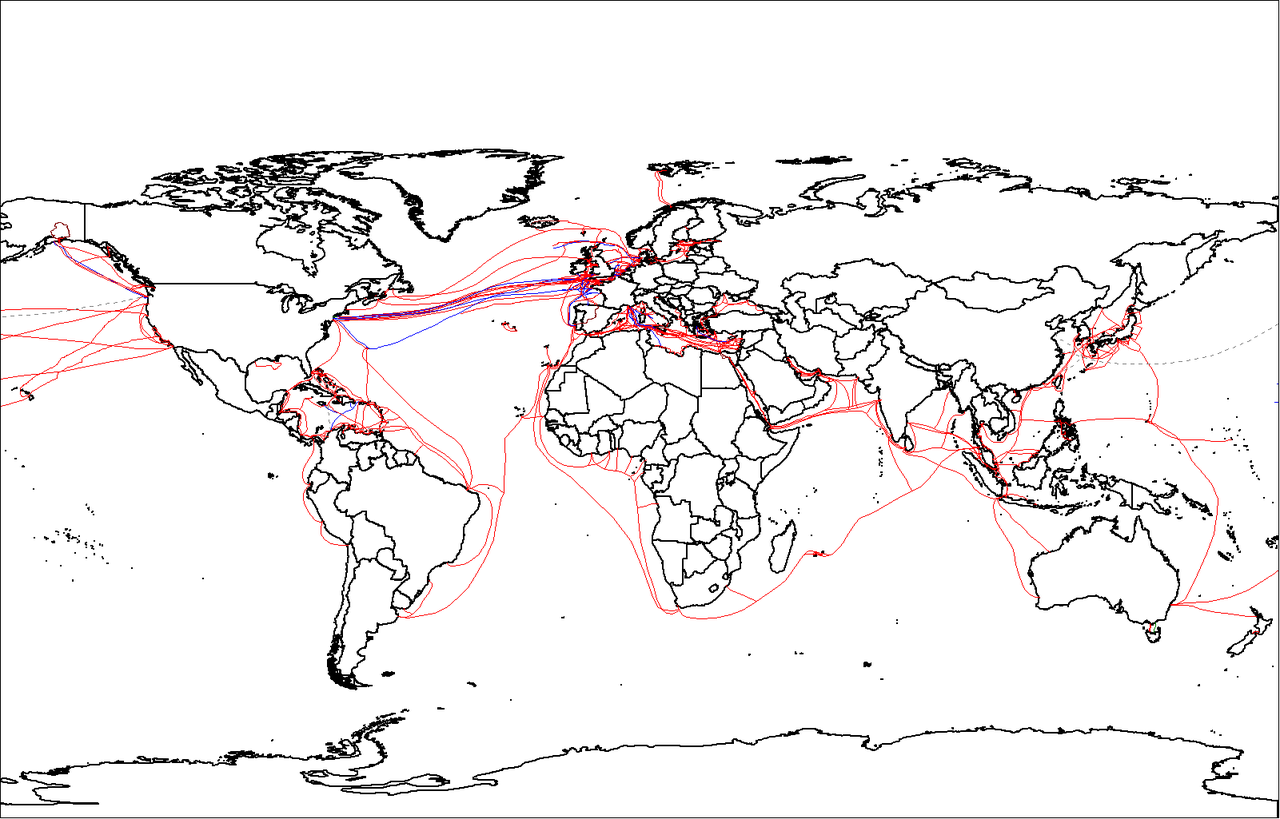
Global network
The Architecture of Global Interconnection
A global network, most prominently exemplified by the internet, is a multifaceted system characterized by its decentralized architecture and reliance on a layered infrastructure. At its physical foundation lie vast networks of undersea and terrestrial cables, including fiber optics capable of transmitting terabytes of data per second, supplemented by satellite links for remote areas and mobile communication. This physical layer is governed by a suite of communication protocols, primarily the Transmission Control Protocol/Internet Protocol (TCP/IP) suite, which dictates how data is broken into packets, addressed, routed, and reassembled.
This standardization is crucial, enabling interoperability between diverse hardware and software platforms worldwide. The network's topology is a complex mesh, with redundant pathways ensuring resilience against single points of failure. This intricate design allows for the seamless flow of information, supporting everything from simple text messages to complex real-time video streams and massive data transfers, forming the backbone of modern global communication and commerce.
Evolution
The genesis of the modern global network can be traced back to the late 1960s with the Advanced Research Projects Agency Network (ARPANET), a U.S. Department of Defense project designed for robust, decentralized communication. Early milestones included the development of packet switching, a revolutionary method for data transmission.
The subsequent creation of TCP/IP in the 1970s provided a universal language for networks to communicate, paving the way for the 'network of networks' concept. The 1980s saw the expansion of these networks beyond military and academic circles, with the National Science Foundation Network (NSFNET) playing a pivotal role in connecting universities. The true explosion in public accessibility and utility, however, arrived in the early 1990s with Tim Berners-Lee's invention of the World Wide Web, introducing hyperlinks, URLs, and HTML, making information navigation intuitive and visually accessible.
This catalyzed rapid commercialization and exponential growth, transforming the network from a research tool into an indispensable global utility.
The Indispensable Role in Contemporary Society
The global network has become an indispensable pillar of contemporary society, profoundly influencing economics, politics, culture, and individual lives. Economically, it underpins global supply chains, facilitates e-commerce, enables remote workforces, and drives innovation in digital industries. Politically, it serves as a platform for information dissemination, citizen engagement, and, conversely, the spread of misinformation and cyber warfare.
Culturally, it fosters unprecedented cross-cultural exchange, democratizes content creation, and reshapes social interaction through platforms like social media. For individuals, it offers unparalleled access to education, healthcare information, and social connections, but also raises concerns about privacy, digital divides, and information overload. Its pervasive integration means that disruptions to the global network can have immediate and far-reaching consequences across all sectors of human activity.
Mechanisms of Global Data Flow and Governance
The operation of a global network involves complex mechanisms for data routing, management, and a form of distributed governance. Data packets traverse the network via sophisticated routing algorithms, dynamically selecting optimal paths based on network conditions, managed by Internet Service Providers (ISPs) and network operators. While the internet is largely decentralized, certain organizations play crucial roles in its coordination.
The Internet Corporation for Assigned Names and Numbers (ICANN) manages domain names and IP addresses, ensuring unique identification. Standards bodies like the Internet Engineering Task Force (IETF) develop and promote technical standards. However, there is no single entity that 'owns' or controls the internet; its governance is a complex interplay of technical standards, commercial agreements, national regulations, and community consensus, reflecting its inherently global and distributed nature.
This distributed model allows for innovation but also presents challenges in addressing issues like cybersecurity and censorship.
Contemporary Challenges and Future Trajectories
Despite its transformative power, the global network faces significant contemporary challenges. The digital divide persists, leaving large populations without adequate access, exacerbating inequalities. Cybersecurity threats, ranging from individual data breaches to state-sponsored attacks, are a constant concern, necessitating robust defense mechanisms.
Issues of data privacy and surveillance are paramount, leading to ongoing debates about regulation and user rights. Furthermore, the network's infrastructure is vulnerable to physical damage and geopolitical instability. Future trajectories involve the expansion of connectivity through technologies like 5G and satellite internet, the integration of artificial intelligence into network management and services, and the ongoing evolution of decentralized web technologies (Web3).
Addressing these challenges and harnessing future potential requires international cooperation, ethical considerations, and continuous adaptation to technological advancements.
Go deeper
Frequently Asked Questions
What is a global network?+
How does the internet send data?+
When did the first global network start?+
Why did the World Wide Web become so popular?+
How does the global network affect our everyday life?+
Based on content from Wikipedia · Licensed under CC BY-SA 4.0