

East India Company
Images
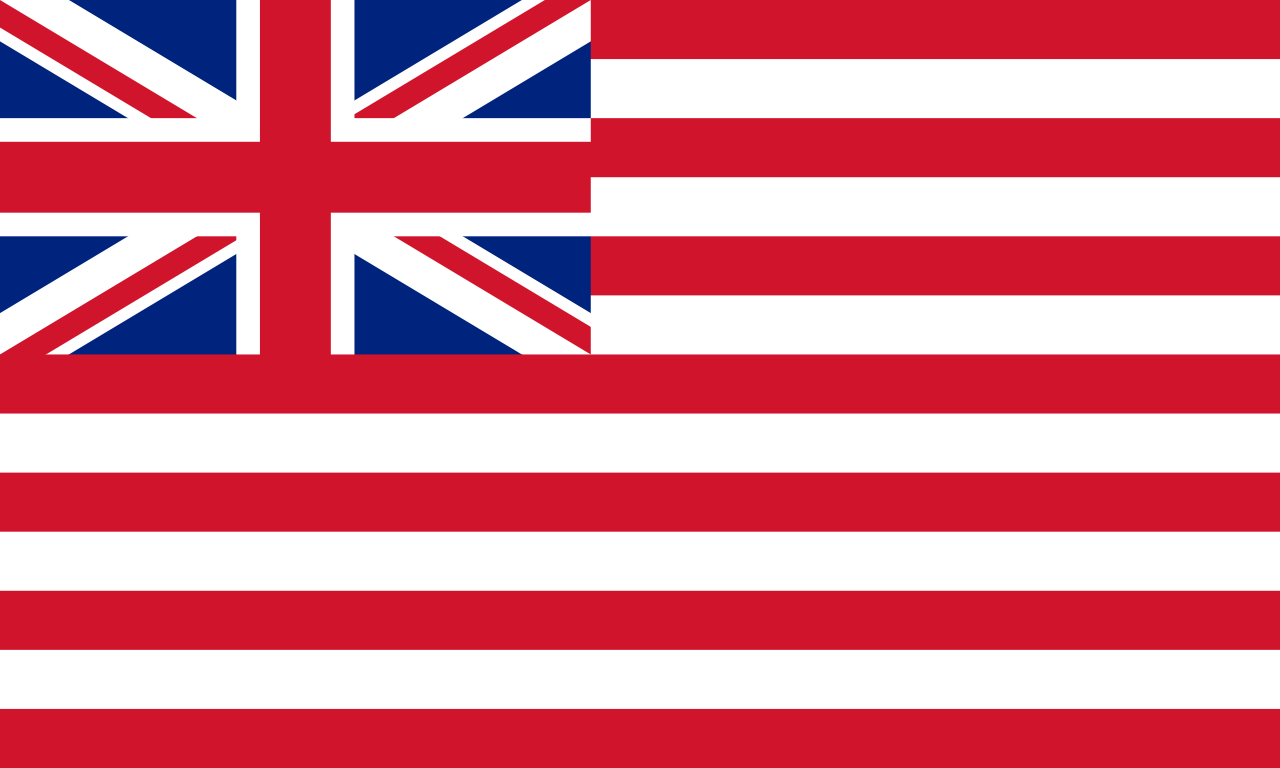
East India Company
The Genesis of a Global Trader
The East India Company (EIC) was incorporated on December 31, 1600, by a royal charter granted by Queen Elizabeth I. This charter bestowed upon a consortium of London merchants the exclusive right to English trade with the East Indies for fifteen years. The primary objective was to break the Dutch monopoly on the lucrative spice trade, which was generating immense wealth.
Initially, the EIC focused on securing access to valuable commodities like pepper, cloves, and nutmeg. Their early voyages were fraught with peril, facing competition from established European powers, particularly the Dutch East India Company, and navigating complex political landscapes in Asia. The company’s success was not solely due to its commercial acumen but also its ability to secure state backing, which provided a degree of legitimacy and protection for its ambitious overseas ventures.
This royal endorsement was crucial in transforming a private commercial enterprise into a significant player on the world stage.
Expansion of Influence
Over the 17th and 18th centuries, the EIC's role dramatically shifted from mere trading to territorial acquisition and governance. The company began to raise its own private armies, initially for defense of its trading posts and ships, but increasingly for offensive military campaigns. Key victories, such as the Battle of Plassey in 1757 under Robert Clive, marked a turning point, granting the EIC significant political influence and the right to collect revenue (Diwani) in Bengal.
This revenue funded further military expansion and administrative development. The company established a complex administrative structure, appointing governors, collecting taxes, and administering justice in the territories it controlled. This transformation from a commercial entity to a de facto sovereign power was unprecedented, blurring the lines between private enterprise and state authority and setting a precedent for colonial rule.
The Double-Edged Sword
The EIC's pursuit of profit led to extensive economic exploitation of the Indian subcontinent. Policies were implemented to maximize revenue extraction, often at the expense of local industries and agricultural practices. The imposition of heavy taxes, the monopolization of trade, and the disruption of traditional economic systems caused widespread hardship and famine in some regions.
This exploitation fueled significant resistance. The most notable was the Indian Rebellion of 1857, also known as the Sepoy Mutiny. Triggered by a combination of grievances, including the introduction of greased rifle cartridges (rumored to be coated in animal fat offensive to Hindu and Muslim soldiers), the rebellion was a widespread uprising against EIC rule.
Although ultimately suppressed, it exposed the deep-seated discontent and the unsustainable nature of the company's governance.
Dissolution and Enduring Impact
The aftermath of the 1857 rebellion proved to be the final nail in the East India Company's coffin. The British government, recognizing the immense power and the inherent instability of a private entity ruling such a vast territory, decided to assume direct control. The Government of India Act 1858 transferred all the EIC's territories, assets, and administrative responsibilities to the British Crown.
The company was eventually dissolved in 1874. Despite its dissolution, the East India Company left an indelible mark on history. It played a pivotal role in shaping the British Empire, influencing global trade patterns, and fundamentally altering the political, economic, and social landscapes of South Asia.
Its legacy is a complex tapestry of commercial innovation, imperial ambition, economic exploitation, and profound cultural exchange, continuing to be a subject of historical debate and analysis.
Go deeper
Frequently Asked Questions
What was the East India Company?+
When did the East India Company start?+
Why did the East India Company fight wars?+
How did the East India Company rule in India?+
What happened after the 1857 rebellion?+
Based on content from Wikipedia · Licensed under CC BY-SA 4.0