

Copenhague
Images

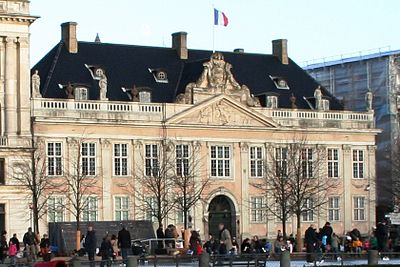
2018 Christiansborg From The Marble Bridge




Geopolitical and Environmental Nexus
Copenhague, the capital of Denmark, occupies a pivotal geographical position on the eastern coast of the island of Zealand, directly overlooking the Øresund strait. This strategic location has historically cemented its role as a crucial maritime gateway connecting the Baltic Sea to the North Sea and the Atlantic. The city's topography is predominantly flat, a characteristic that has profoundly influenced its urban development and its embrace of non-motorized transport.
Its extensive coastline and numerous canals are not merely aesthetic features but integral components of its infrastructure and identity. The climate is temperate maritime, characterized by mild, humid winters and cool summers, with precipitation distributed relatively evenly throughout the year. Copenhague's environmental ethos is deeply ingrained, with a strong focus on green spaces, clean water, and ambitious carbon neutrality goals, making it a leader in urban ecological planning.
Evolution from Viking Outpost to Modern Metropolis
The historical trajectory of Copenhague is a compelling narrative of transformation. Its origins trace back to a Viking settlement, likely established in the late 10th or early 11th century, primarily serving as a fishing and trading post. By the 12th century, Bishop Absalon fortified the settlement, laying the groundwork for its future prominence.
The city's status was elevated in the 15th century when it became the permanent seat of the Danish monarchy, transitioning into a royal capital and a center of political power. Copenhague has weathered numerous historical challenges, including devastating fires, plagues, and military sieges, notably the British attacks in the early 19th century. The Danish Golden Age (early 19th century) marked a period of significant cultural and intellectual flourishing, leaving an indelible mark on the city's artistic and architectural heritage.
Post-World War II, Copenhague underwent extensive modernization and urban planning, focusing on infrastructure and quality of life.
Cultural Identity
Copenhague's cultural fabric is woven from distinct threads that resonate globally. The concept of 'hygge' is central to Danish life, embodying a philosophy of coziness, contentment, and shared well-being, often expressed through social gatherings and simple pleasures. This ethos is intrinsically linked to the renowned Danish design movement, which champions minimalism, functionality, and craftsmanship, evident in the city's architecture, furniture, and public spaces.
Copenhague is also celebrated as the birthplace of Hans Christian Andersen, whose timeless fairy tales have shaped global literature and imagination, with numerous landmarks and attractions dedicated to his legacy. Furthermore, the city fosters a vibrant arts scene, encompassing world-class museums, theaters, and a thriving music culture, reflecting a society that values creativity and intellectual engagement.
Economic Engine
As Denmark's primary economic hub, Copenhague drives significant national and international commerce. Its economy is highly diversified, with a strong emphasis on knowledge-intensive sectors such as pharmaceuticals, biotechnology, information technology, and maritime industries. The city is a global leader in the development and implementation of green technologies, particularly in wind energy, sustainable urban planning, and waste management, aligning its economic growth with ambitious environmental objectives.
Copenhague's strategic location and advanced infrastructure make it a key European logistics and transportation node. The presence of numerous multinational corporations, research institutions, and a highly skilled workforce contributes to its status as a competitive and innovative global city, attracting significant foreign investment and fostering a dynamic business environment.
Educational Excellence and Research Prowess
Copenhague is a distinguished center for higher education and cutting-edge research, underpinning its reputation for innovation and societal progress. The city is home to the University of Copenhague, founded in 1479, one of Scandinavia's oldest and most prestigious academic institutions, offering a comprehensive range of disciplines. The Technical University of Denmark (DTU) is another cornerstone, renowned globally for its engineering and natural science programs, driving technological advancements.
The educational system prioritizes critical inquiry, interdisciplinary collaboration, and practical application, preparing graduates for a complex global landscape. Copenhague's commitment to lifelong learning and accessible education fosters a highly educated populace, contributing significantly to the nation's high standards of living and its capacity for innovation across various sectors.
See also
Frequently Asked Questions
What is Copenhague famous for?+
Why do so many people bike in Copenhague?+
How did Copenhague become the capital of Denmark?+
Where is Copenhague located?+
What is ‘hygge’ and why is it important in Copenhague?+
Based on content from Wikipedia · Licensed under CC BY-SA 4.0