

Cocada
Images

(2014-11-22) Martha Benez Doces - Araçatuba - Cocada de sol Romerito Pontes (15870097095)


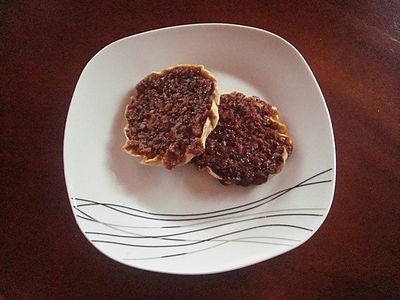
The Genesis and Global Diffusion of Cocada
Cocadas represent a significant example of a traditional confectionery with deep roots and a remarkably wide geographic distribution. Originating in regions where coconuts are abundant, their history is intertwined with colonial trade routes and cultural exchange. The earliest documented evidence of cocadas dates back to at least 1878 in Peru, indicating a long-standing culinary tradition.
From this point, the confection spread and became deeply embedded in the gastronomic heritage of numerous Latin American countries, including Argentina, Bolivia, Brazil, Colombia, Chile, the Dominican Republic, Cuba, Mexico, Panama, and Venezuela, as well as parts of Europe like Spain. This diffusion highlights how a relatively simple recipe, primarily utilizing shredded coconut and eggs, could be adopted and adapted by diverse cultures, evolving into hundreds of distinct variations.
The modern inclusion of food coloring adds another layer of evolution, transforming cocadas from purely traditional golden-brown treats into visually dynamic sweets that cater to contemporary aesthetics while maintaining their core identity.
Culinary Science and Texture
The appeal of cocada lies significantly in its textural diversity, a direct result of its core ingredients and preparation methods. The fundamental components, shredded coconut and eggs, interact during the baking process to create its characteristic texture. Eggs serve as a crucial binder, coagulating upon heating to hold the coconut fibers together.
The desired texture, ranging from chewy and soft to firm or even creamy like flan, is heavily influenced by the ratio of ingredients, baking temperature, and, critically, the serving temperature. Cocadas are typically baked but are best enjoyed at room temperature, allowing the egg proteins to set fully without becoming overly rigid or losing moisture. This controlled setting is what differentiates a well-made cocada from a simple baked coconut mixture.
Furthermore, the incorporation of additional ingredients like almonds, other dried fruits, or even spices, introduces further textural complexity and flavor profiles, contributing to the vast array of cocada recipes available worldwide.
Cultural Significance and Economic Impact
Cocadas are more than just a sweet indulgence; they hold considerable cultural and economic significance in the regions where they are popular. As a traditional food item, cocadas are often associated with festivals, holidays, and everyday family life, serving as a tangible link to cultural heritage. Their widespread presence in markets and bakeries underscores their economic importance, providing livelihoods for many small-scale producers and vendors.
The adaptability of the cocada recipe also allows it to be a canvas for regional culinary identity. For instance, variations might incorporate local fruits or spices, reflecting the unique agricultural output and flavor preferences of a specific area. This makes cocadas a dynamic element of local food systems, capable of both preserving tradition and fostering innovation within the confectionery sector.
Their enduring popularity suggests a strong consumer demand that continues to support their production and consumption across generations.
Evolution and Modern Relevance
In contemporary times, cocadas continue to evolve, reflecting changing consumer preferences and culinary trends. While traditional recipes remain cherished, modern interpretations often explore new flavor combinations, ingredient substitutions, and presentation styles. The use of vibrant food colorings, as mentioned, is a prime example of this adaptation, making cocadas more appealing to younger generations and suitable for diverse celebratory themes.
Beyond aesthetics, there is also a growing interest in healthier versions, with potential for reduced sugar content or the incorporation of alternative sweeteners and ingredients. The globalized food market also means that cocadas are increasingly accessible beyond their traditional geographic strongholds, finding their way into international specialty food stores and online marketplaces. This global reach ensures that the legacy of this humble coconut confection continues to thrive, adapting to new contexts while retaining its fundamental charm and deliciousness.
See also
Frequently Asked Questions
What is a cocada?+
Where do cocadas come from?+
How are cocadas made?+
Why do cocadas have different textures?+
Are cocadas important for families and festivals?+
Based on content from Wikipedia · Licensed under CC BY-SA 4.0