

Clearwater County, Minnesota
Images

Wright County Minnesota Incorporated and Unincorporated areas Clearwater Highlighted




Geomorphology and Hydrological Significance
Clearwater County, situated in the northwestern reaches of Minnesota, is characterized by a landscape shaped by glacial activity. Its topography features a mix of moraines, outwash plains, and numerous lakes and wetlands, indicative of its geological past. The county's most defining geographical feature is its hydrological importance as the origin point for the Mississippi River at Lake Itasca.
This seemingly modest beginning belies the river's immense scale and ecological significance, as it traverses over 2,300 miles, draining a vast watershed that impacts millions of people and diverse ecosystems across the central United States. The county's climate is continental, with significant seasonal temperature variations and precipitation patterns that influence its natural resources and agricultural potential. Understanding this geography is crucial to appreciating the county's role in regional water cycles and its natural resource base.
Historical Context and Indigenous Heritage
The history of Clearwater County is deeply intertwined with the Indigenous peoples of North America. The presence of the Red Lake and White Earth Indian reservations within its boundaries signifies a long-standing connection to the Anishinaabe (Ojibwe) people. These reservations are not merely geographical markers but represent sovereign nations with distinct governance structures and cultural practices that predate European settlement.
The establishment and continued existence of these reservations highlight ongoing issues of land rights, self-determination, and cultural preservation. The county's development has been shaped by interactions between these Indigenous communities and later European-American settlers, influencing its social fabric, economy, and political landscape. Acknowledging this dual heritage is essential for a comprehensive understanding of Clearwater County.
Socioeconomic Dynamics and Economic Base
The economy of Clearwater County is primarily driven by its natural resources and agricultural potential. Forestry and agriculture are significant sectors, leveraging the region's timber and arable land. The county seat, Bagley, serves as a commercial and administrative hub, supporting local businesses and providing essential services. However, like many rural counties, Clearwater faces economic challenges related to population retention, job diversification, and infrastructure development.
The presence of the Indian reservations also introduces unique economic considerations, including tribal enterprises and federal programs aimed at supporting reservation communities. Understanding the socioeconomic dynamics requires examining the interplay between traditional industries, government services, and the specific economic contexts of both the county at large and its constituent tribal nations.
Governance and Community Structure
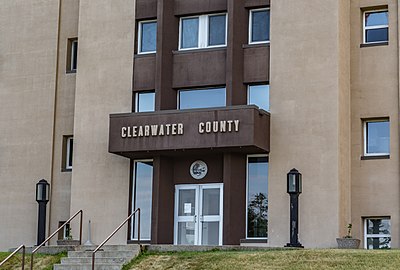
Clearwater County operates under a typical county government structure in Minnesota, headed by a board of commissioners. This body is responsible for administering county services, managing the budget, and enacting local ordinances. The county seat in Bagley houses the primary administrative functions.
However, the governance landscape is further complicated by the presence of federally recognized Indian reservations, which possess their own tribal governments. These tribal governments exercise a degree of sovereignty and manage their own affairs, including law enforcement, education, and economic development. The relationship between county and tribal governance can involve cooperation on shared issues, such as infrastructure or public safety, as well as navigating distinct legal and administrative frameworks.
This layered governance structure reflects the diverse populations and historical contexts within the county.
Educational Landscape and Future Prospects
Education in Clearwater County is provided through a network of public school districts serving the general population, alongside educational initiatives within the Indian reservations. These schools play a critical role in preparing students for higher education, vocational training, or direct entry into the workforce. The curriculum often aims to balance core academic subjects with vocational skills relevant to the local economy, such as agriculture or natural resource management.
Furthermore, educational programs within the reservations often incorporate cultural and historical components, ensuring the transmission of Indigenous knowledge and traditions. Addressing educational disparities and ensuring equitable access to quality education for all residents, regardless of background, remains a key focus for the county's long-term development and the empowerment of its communities.
See also
Frequently Asked Questions
Where does the Mississippi River begin?+
What makes the land in Clearwater County special?+
Who lives in Clearwater County?+
What do people do for work in Clearwater County?+
How is Clearwater County governed?+
Based on content from Wikipedia · Licensed under CC BY-SA 4.0