

Chocolate
Images
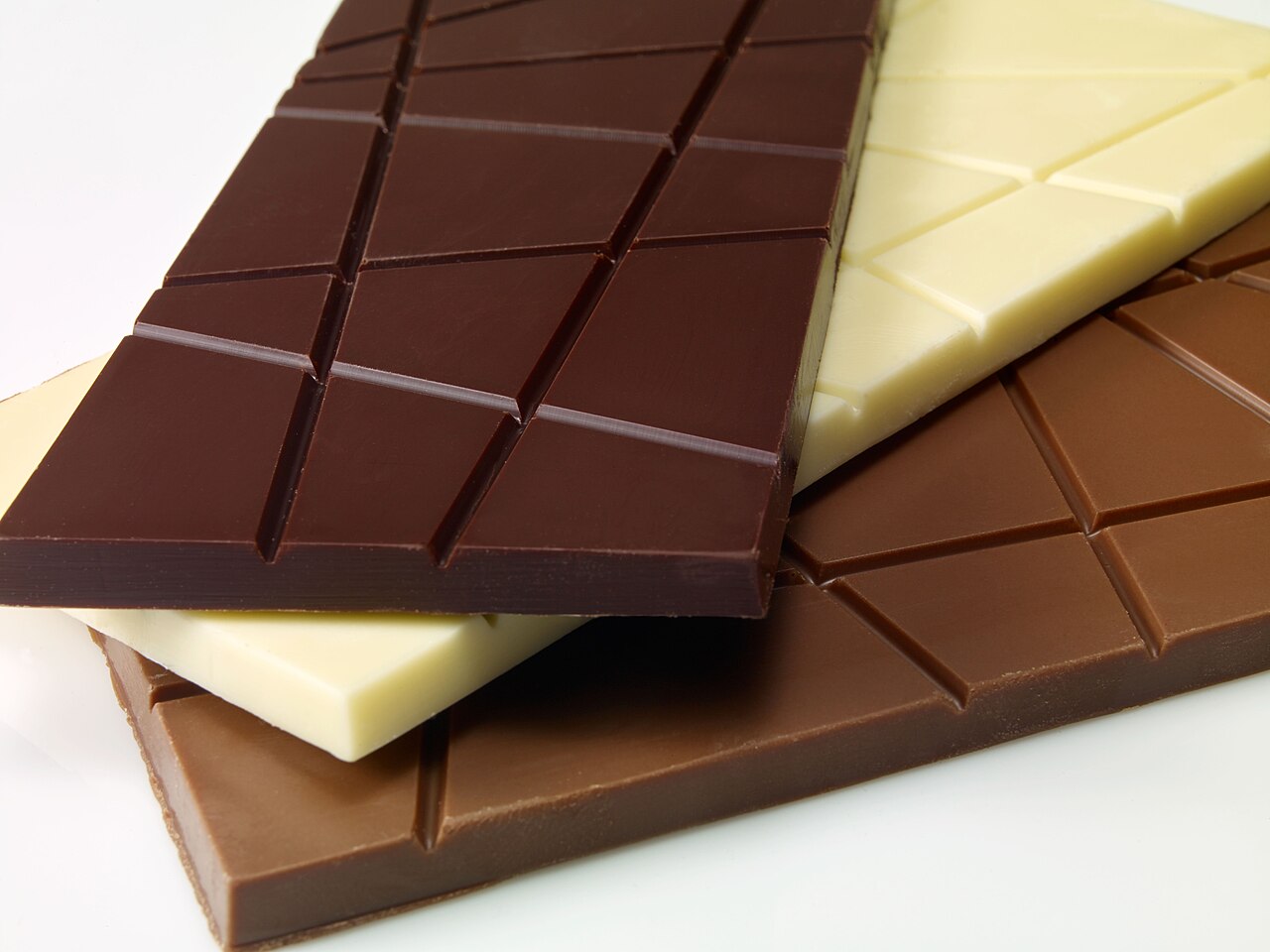
Chocolate
The Genesis of Chocolate
The origins of chocolate are deeply rooted in ancient Mesoamerican civilizations, particularly the Maya and Aztec peoples, who cultivated the cacao tree (Theobroma cacao) for millennia. They revered cacao, believing it was a gift from the gods, and consumed it primarily as a bitter, frothy beverage known as 'xocolatl.' This drink was far from the sweet confection of today; it was often flavored with spices like chili peppers, vanilla, and annatto, and was an integral part of religious ceremonies, medicinal practices, and social rituals.
The cacao bean itself held immense value, serving as a form of currency, with thousands of beans exchanged for goods and services. The arrival of Spanish conquistadors in the 16th century marked a pivotal turning point. Initially finding the bitter drink unappealing, they eventually introduced sugar and honey to it, transforming it into a more palatable luxury for European royalty and aristocracy.
This colonial exchange laid the groundwork for chocolate's global dissemination, albeit initially as an exclusive indulgence.
The Industrial Revolution and the Democratization of Chocolate
The 19th century witnessed a profound transformation in chocolate production, largely driven by the Industrial Revolution. Key innovations revolutionized how chocolate was made and consumed. In 1828, Dutch chemist Coenraad Johannes van Houten invented the cocoa press, a machine capable of separating cocoa butter from roasted cacao beans.
This process yielded cocoa powder, which was less fatty and easier to mix with water, leading to the development of modern hot chocolate. More significantly, the cocoa press made it possible to create solid chocolate. In 1847, Fry's of Bristol created the first solid chocolate bar by mixing cocoa powder, sugar, and melted cocoa butter.
This was followed by Daniel Peter's invention of milk chocolate in 1875, achieved by adding condensed milk, a process perfected with Henri Nestlé's help. These advancements dramatically lowered production costs and made chocolate accessible to the masses, shifting it from an elite beverage to a widely available sweet treat.
The Multifaceted Significance of Chocolate
Chocolate's significance extends far beyond its culinary appeal, permeating cultural practices, global economies, and even human psychology. Culturally, it is a potent symbol of celebration, comfort, and affection, frequently exchanged during holidays like Valentine's Day and Easter, and used to mark significant life events. Economically, the chocolate industry is a multi-billion dollar global enterprise, providing livelihoods for millions of farmers, processors, and manufacturers, particularly in tropical regions where cacao is grown.
However, this industry also faces challenges related to fair trade, sustainable farming, and child labor. Psychologically, chocolate's impact on mood is well-documented. Compounds like phenylethylamine and anandamide, along with mild stimulants like caffeine and theobromine, can contribute to feelings of pleasure, alertness, and well-being.
This complex interplay of sensory pleasure, cultural association, and neurochemical effects solidifies chocolate's unique and enduring place in human society.
From Cacao Pod to Confection
The journey from the cacao tree to a finished chocolate bar is a meticulous and multi-stage process. It begins with the harvesting of cacao pods, which contain between 20 to 50 seeds, or beans, embedded in a sweet, pulpy mucilage. These beans undergo fermentation for several days, a critical step that develops the precursor flavors and reduces bitterness.
Following fermentation, the beans are dried to lower their moisture content, then cleaned and roasted to further enhance flavor and loosen the outer shell. The roasted beans are then cracked, and the shells are winnowed away, leaving the cacao nibs. These nibs are ground into a thick, liquid paste known as chocolate liquor.
This liquor is then refined through processes like milling and conching. Refining reduces particle size for a smoother texture, while conching, a prolonged period of mixing and aeration, develops complex flavors and a velvety consistency. Finally, the chocolate is tempered-a controlled heating and cooling process-to stabilize the cocoa butter crystals, ensuring a glossy finish, a satisfying snap, and resistance to melting.
It is then molded into bars, chips, or other desired forms.
Go deeper
Frequently Asked Questions
What is chocolate made from?+
Why did chocolate change from a bitter drink to a sweet treat?+
How did chocolate become a solid bar?+
Where do people grow cacao trees?+
Why do people give chocolate on holidays?+
Based on content from Wikipedia · Licensed under CC BY-SA 4.0