

Easter
Images
Easter
Theological Core
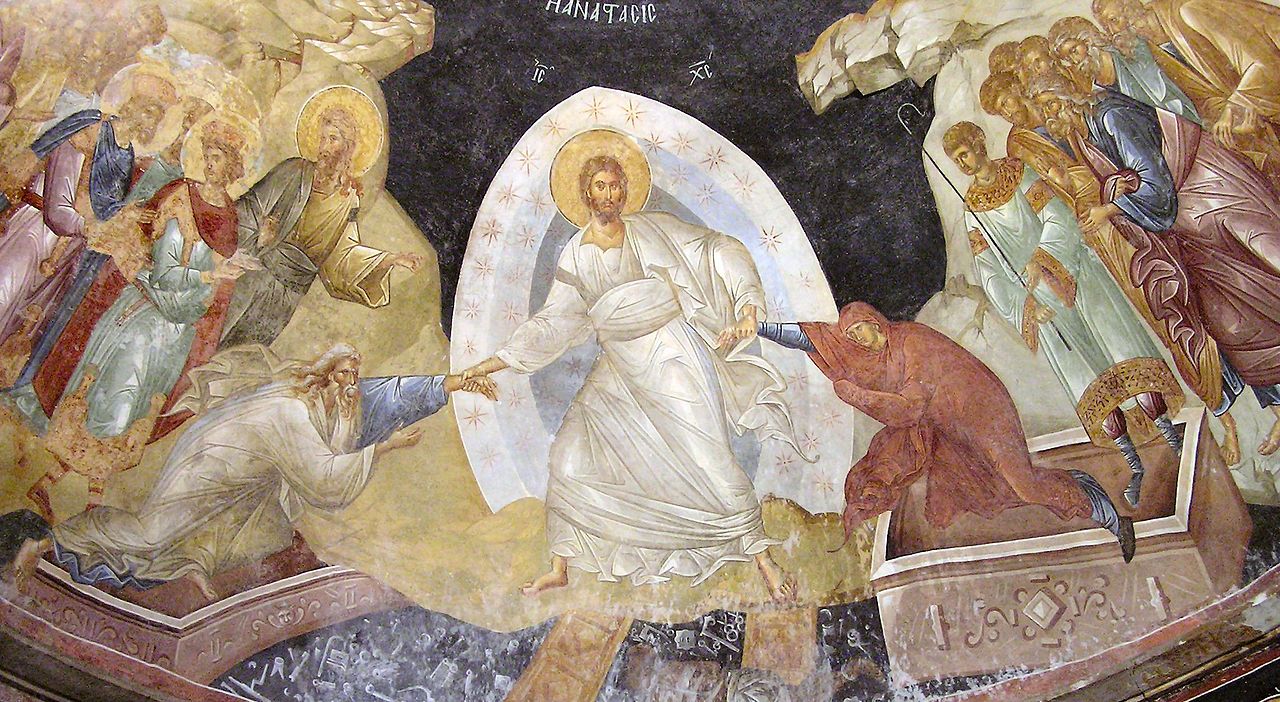
Easter stands as the paramount festival in Christianity, fundamentally centered on the resurrection of Jesus Christ. This event, occurring on the third day after his crucifixion, is not merely a historical commemoration but the theological bedrock upon which Christian doctrine is built. The Apostle Paul famously stated in 1 Corinthians 15:14, 'And if Christ has not been raised, our preaching is useless and so is your faith.' The resurrection signifies Christ's victory over sin and death, validating his divine claims and offering believers the promise of eternal life and reconciliation with God.
It transforms the narrative of suffering and sacrifice into one of ultimate triumph and hope, providing a salvific framework for humanity. The theological implications extend to the concept of new creation and the ongoing work of the Holy Spirit in the lives of believers, empowering them for a transformed existence. This profound spiritual significance elevates Easter beyond a mere holiday to the very essence of Christian identity and belief.
Historical Trajectories
The observance of Easter has a complex historical trajectory, evolving significantly from its earliest roots. While the New Testament records the resurrection, the precise date and manner of its celebration were not immediately standardized. Early Christians likely celebrated it annually, but debates arose regarding its timing, particularly concerning its relationship to the Jewish Passover.
The Council of Nicaea in 325 AD played a crucial role in establishing the rule that Easter would be celebrated on the first Sunday following the first full moon on or after the vernal equinox, thus detaching it from the Jewish calendar and standardizing its observance across the Roman Empire. This decision aimed to unify Christian practice and distinguish it from Jewish traditions. Over centuries, various traditions, including the use of Paschal candles, the dyeing of eggs, and the figure of the Easter Hare, became integrated, often drawing from pre-Christian spring festivals that celebrated fertility and renewal, demonstrating a syncretic development of the holiday.
Cultural Symbology
The rich tapestry of Easter symbolism is a fascinating blend of religious meaning and ancient cultural practices. The Easter egg, a ubiquitous symbol, has ancient origins predating Christianity, representing fertility, new life, and rebirth in many cultures. Early Christians adopted the egg, often dyeing it red to symbolize Christ's blood, as a representation of the empty tomb and the resurrection.
The Easter Bunny, while a more recent addition, likely stems from Germanic folklore, possibly linked to pagan deities associated with spring and fertility, such as Eostre, from whom the holiday's name may derive. The timing of Easter itself, tied to the vernal equinox and the lunar cycle, inherently connects it to themes of natural renewal and the reawakening of life after winter. These symbols, while sometimes secularized, continue to imbue the holiday with a sense of joy, hope, and the promise of new beginnings, reflecting a deep human connection to the cycles of nature and spiritual rebirth.
Contemporary Easter
In the contemporary world, Easter remains a pivotal religious observance for Christians globally, marked by solemn liturgical services during Holy Week, culminating in jubilant Easter Sunday celebrations. Beyond its religious significance, Easter has a substantial cultural impact, influencing commerce, art, and social customs. The holiday period often involves family gatherings, festive meals, and the widespread exchange of gifts, particularly chocolate and confectionery.
Its themes of hope, renewal, and overcoming adversity resonate universally, making it a recognized cultural event even for non-Christians. In an era grappling with societal challenges, the core message of resurrection offers a powerful narrative of resilience and the possibility of transformation. Easter's enduring relevance lies in its capacity to inspire reflection on life's profound mysteries, foster community bonds, and provide a universal symbol of hope and the perpetual cycle of renewal.
Go deeper
Frequently Asked Questions
What is Easter about?+
Why do people dye eggs for Easter?+
How is the date of Easter decided?+
Where does the Easter Bunny come from?+
Why do people use a Paschal candle at Easter?+
Based on content from Wikipedia · Licensed under CC BY-SA 4.0