

Camphora officinarum
Images
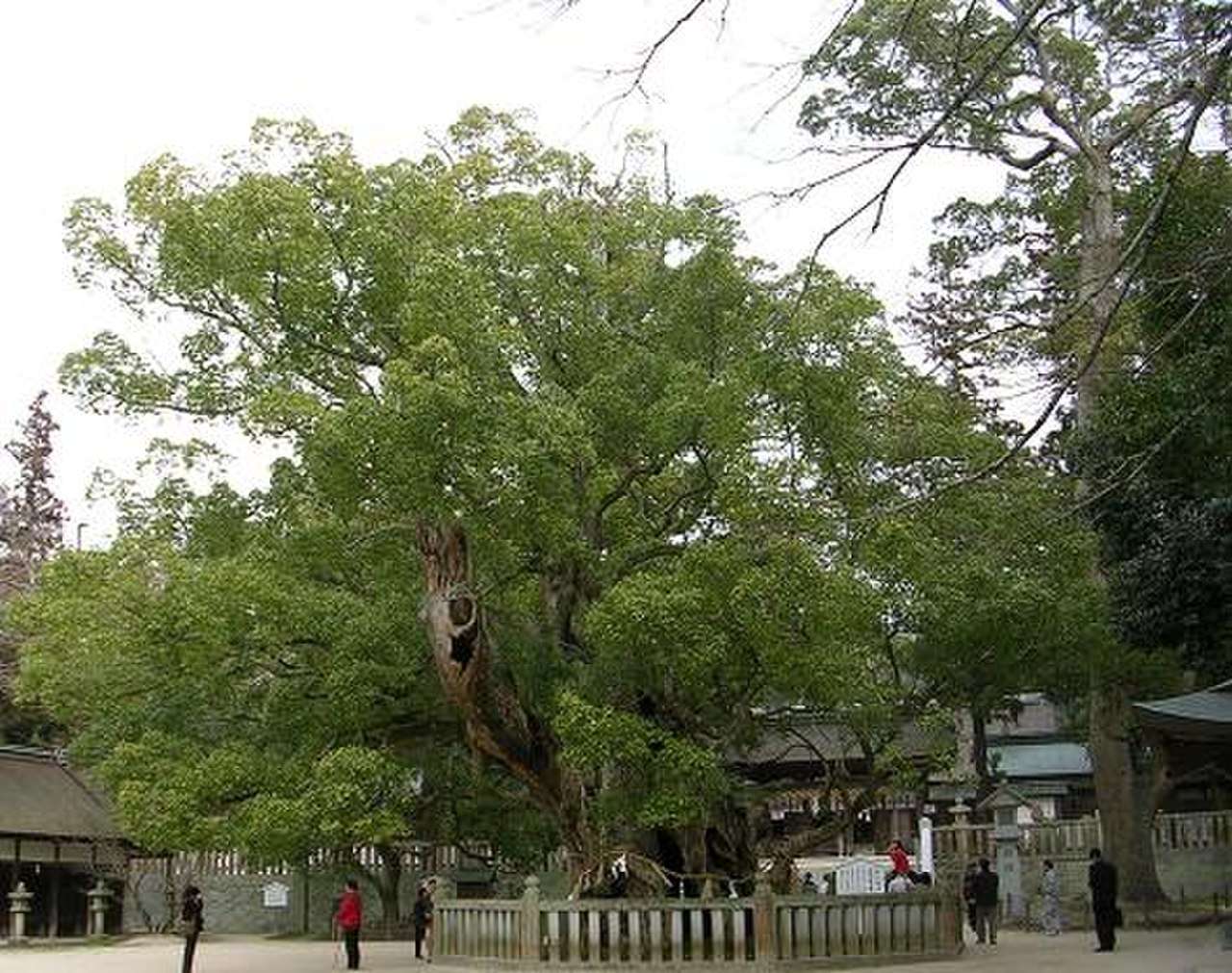
Camphora officinarum
Botanical Identity and Geographic Spread
Camphora officinarum, scientifically classified as Cinnamomum camphora, is a large, majestic evergreen tree belonging to the Lauraceae family, renowned for its aromatic properties. This species is indigenous to warm temperate and subtropical zones across East Asia, with its natural range encompassing countries such as China, Taiwan, Vietnam, Korea, and Japan.
Its ecological niche is typically found in forests and woodlands, where it can grow to considerable heights, often exceeding 30 meters. The tree is characterized by its glossy, leathery leaves, which are typically ovate to elliptical and possess a distinct venation pattern. As an evergreen, it maintains its foliage year-round, contributing to its visual prominence in its native landscapes.
The widespread distribution of Cinnamomum camphora is a testament to its adaptability to various climatic conditions within its native biogeographic realm. Its presence has shaped forest ecosystems and cultural landscapes for millennia.
A Legacy of Aromatic Utility
The historical significance of Camphora officinarum is deeply rooted in its production of camphor, a substance that has been prized across Asia and beyond for thousands of years. Ancient texts and archaeological findings reveal its extensive use in diverse cultural practices. In traditional Chinese and Japanese cultures, camphor wood was utilized for constructing chests and cabinets to protect textiles from insect infestation, particularly moths, due to camphor's potent insecticidal and repellent properties.
It also played a crucial role in religious ceremonies and funerary rites, often used in embalming and preservation due to its antimicrobial and aromatic qualities. Furthermore, camphor was a staple in traditional medicine systems, believed to possess analgesic, anti-inflammatory, and stimulant effects, used to treat a wide array of ailments from respiratory distress to rheumatic pain. The economic impact of camphor trade also fostered early international connections, highlighting its value as a commodity that transcended regional boundaries and contributed to the development of early global trade networks.
The Chemical Heart
The defining characteristic of Camphora officinarum is its capacity to synthesize and store camphor, a volatile, crystalline organic compound. Chemically, camphor is a bicyclic monoterpene ketone, with the molecular formula C10H16O. It is biosynthesized through the mevalonate pathway and subsequent cyclization and oxidation steps.
A key physical property of camphor is its ability to sublimate readily at room temperature, transitioning directly from a solid to a gaseous state. This sublimation is responsible for the strong, penetrating aroma associated with the tree and its wood. This volatility, coupled with its antimicrobial and insecticidal properties, explains its historical utility in preservation and pest control.
Modern applications, though often utilizing synthetically produced camphor, still leverage these inherent characteristics for purposes ranging from topical analgesics and rubefacients in medicinal preparations to its use as a plasticizer for cellulose nitrate.
Modern Relevance and Conservation Considerations
While the direct extraction of camphor from Cinnamomum camphora has largely been superseded by synthetic production for many industrial and medicinal uses, the tree retains significant relevance. Its historical importance as a source of a valuable natural product continues to be studied in ethnobotany and the history of science. Furthermore, Cinnamomum camphora remains an important component of its native forest ecosystems, contributing to biodiversity and ecological stability.
However, like many valuable plant species, it faces threats from habitat loss and overexploitation in some areas. Conservation efforts are crucial to ensure the long-term survival of wild populations and to preserve the genetic diversity of this historically and botanically significant tree. Understanding its ecological role and the sustainable management of its resources are key considerations for its future.
See also
Based on content from Wikipedia · Licensed under CC BY-SA 4.0