

Equatorial Guinea
Images
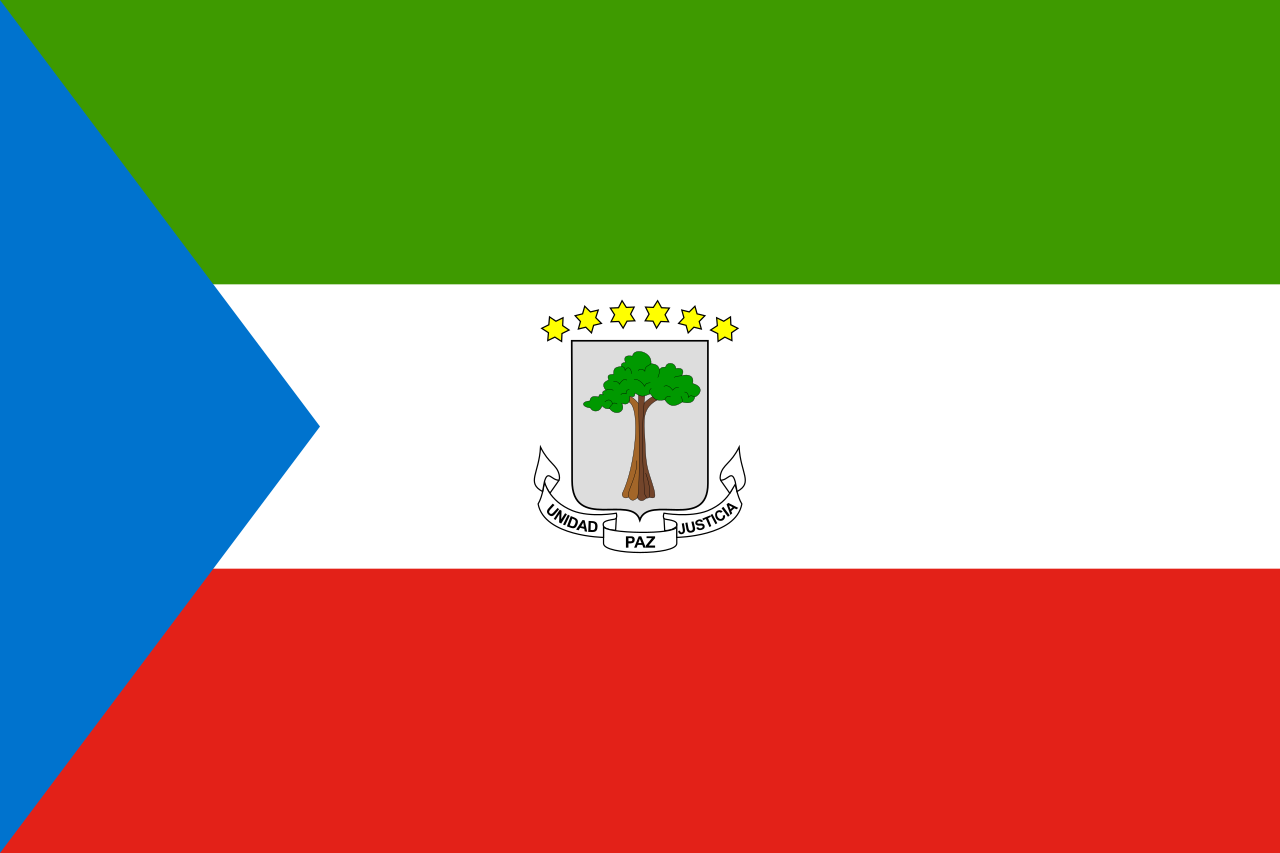
Equatorial Guinea
Opens Google Maps in new tab
Geographical Dichotomy and Strategic Location
Equatorial Guinea presents a unique geographical profile, comprising a mainland territory, Río Muni, bordered by Cameroon and Gabon, and an insular region consisting of Bioko and Annobón islands in the Gulf of Guinea. Río Muni hosts the majority of the population and the largest city, Bata, while the capital, Malabo, is situated on Bioko Island. This division creates distinct ecological zones and logistical challenges.
The country's name itself highlights its proximity to the Equator and its historical ties to the broader Guinea region of Africa. Its strategic location on the west coast of Central Africa has historically made it a point of interest for European powers and continues to influence its regional dynamics.
A Legacy of Colonialism and a Tumultuous Independence
The historical narrative of Equatorial Guinea is deeply intertwined with European exploration and colonization. Initially inhabited by Pygmy peoples, the region saw migrations of Bantu-speaking groups before Portuguese explorer Fernando Pó's arrival in 1472. The Treaty of El Pardo in 1778 formally ceded territories to Spain, leading to the establishment of Spanish Guinea.
The path to independence in 1968 was fraught with difficulty, culminating in the authoritarian rule of Francisco Macías Nguema. His regime, characterized by extreme repression, lasted until a coup in 1979 orchestrated by his nephew, Teodoro Obiang Nguema Mbasogo. Obiang has remained in power since, leading to a prolonged period of governance that has drawn significant international criticism regarding human rights and political freedoms.
The Paradox of Oil Wealth and Human Development
Since the mid-1990s, Equatorial Guinea has emerged as a major oil producer, transforming its economic landscape and making it one of the wealthiest nations per capita in Africa. However, this oil wealth has not translated into widespread prosperity. The distribution of this wealth is highly unequal, with a significant portion of the population lacking access to basic services.
The country's ranking on the Human Development Index (HDI) is considerably lower than its per capita income would suggest, highlighting deep-seated disparities. Issues such as limited access to clean water and high child mortality rates persist, underscoring the challenges of resource governance and equitable development in the face of substantial natural resource endowments.
Governance, Human Rights, and International Standing
Equatorial Guinea's political system is widely described as authoritarian and sultanistic, with power concentrated in the hands of the president and his inner circle. This governance model has resulted in one of the world's poorest human rights records, consistently ranked among the worst by organizations like Freedom House. Restrictions on press freedom are severe, with the president often labeled a 'predator' of journalistic independence.
Furthermore, the country faces significant challenges related to human trafficking, serving as both a source and destination for forced labor and sex trafficking. Despite these issues, Equatorial Guinea maintains membership in key international organizations such as the United Nations, the African Union, OPEC, and the CPLP, reflecting its complex position in global affairs.
Go deeper
Frequently Asked Questions
What is Equatorial Guinea and where is it located?+
Why does Equatorial Guinea have both islands and a mainland?+
How did Equatorial Guinea become independent?+
Why is Equatorial Guinea rich in oil but many people still poor?+
What are some problems Equatorial Guinea faces today?+
Based on content from Wikipedia · Licensed under CC BY-SA 4.0