

Broad-leaved Trees: Nature's Leafy Giants!
Images

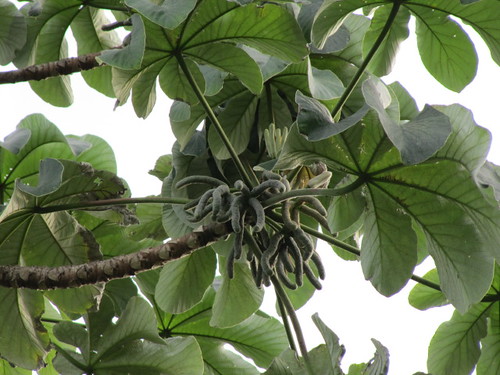
A rare section of broad-leaved trees - geograph.org.uk - 2977157




Defining Characteristics and Botanical Classification
Broad-leaved trees, belonging to the botanical group Angiosperms, are distinguished by their flat, broad leaves and the production of seeds enclosed within fruits. This reproductive strategy, known as carpel development, is a hallmark of angiosperms and a key differentiator from gymnosperms like conifers. The broad leaf morphology is highly efficient for light capture, maximizing photosynthetic rates, which is crucial for their growth and survival.
While often referred to as 'hardwoods,' this term primarily relates to wood density and structure, which is typically greater in angiosperms compared to conifers. This characteristic makes their wood highly valued for construction, furniture, and other applications requiring strength and durability. Their diverse forms range from towering giants to smaller understory trees, showcasing a remarkable evolutionary adaptability.
Global Distribution and Habitat Preferences
Broad-leaved trees are globally distributed, dominating the flora of temperate and tropical zones. Their prevalence is highest in regions with adequate precipitation and moderate temperatures, forming extensive forests across Europe, Asia, and North America. They are also significant components of ecosystems in South America, Africa, and Australia.
While some species exhibit tolerance to cooler climates, they are generally less adapted to extreme cold or arid conditions compared to conifers or succulents. Their distribution patterns are closely linked to soil fertility, water availability, and historical climate shifts, making them important indicators of ecosystem health and resilience. The vast biodiversity found within broad-leaved forests underscores their ecological importance.
Ecological Significance and Ecosystem Services
The ecological contributions of broad-leaved trees are profound and multifaceted. They are primary producers, converting solar energy into biomass through photosynthesis, thereby playing a critical role in carbon sequestration and atmospheric regulation. Their extensive canopy cover provides shade, moderates local climate, and significantly reduces soil erosion by intercepting rainfall and stabilizing soil structure.
Broad-leaved forests are biodiversity hotspots, offering diverse habitats, food sources (fruits, nuts, seeds), and shelter for an immense array of fauna, including insects, birds, and mammals. Furthermore, the decomposition of their leaf litter enriches soil nutrients, supporting complex food webs and maintaining ecosystem productivity. They are indispensable for maintaining the health and balance of terrestrial ecosystems.
Deciduous Cycles and Evolutionary Advantages
A defining adaptation for many broad-leaved trees is their deciduous nature, a strategy employed by most species within this group. Shedding leaves seasonally, typically in autumn or during prolonged dry periods, allows these trees to conserve water and energy. This adaptation prevents desiccation during winter freezes and reduces water loss when it is scarce.
The abscission layer that forms at the base of the leaf stalk facilitates a clean break, minimizing damage to the tree. The fallen leaves undergo decomposition, returning vital organic matter and nutrients to the soil, a process that fuels nutrient cycling within the ecosystem. This cyclical shedding and regeneration is a testament to the evolutionary success and adaptability of broad-leaved trees in diverse environmental conditions.
See also
Frequently Asked Questions
What makes a tree a broad‑leaf tree?+
Where can we find broad‑leaf trees?+
Why do broad‑leaf trees drop their leaves in autumn?+
How do broad‑leaf trees help the planet?+
Are broad‑leaf trees strong for building furniture?+
Based on content from Wikipedia · Licensed under CC BY-SA 4.0