

British Columbia
Images
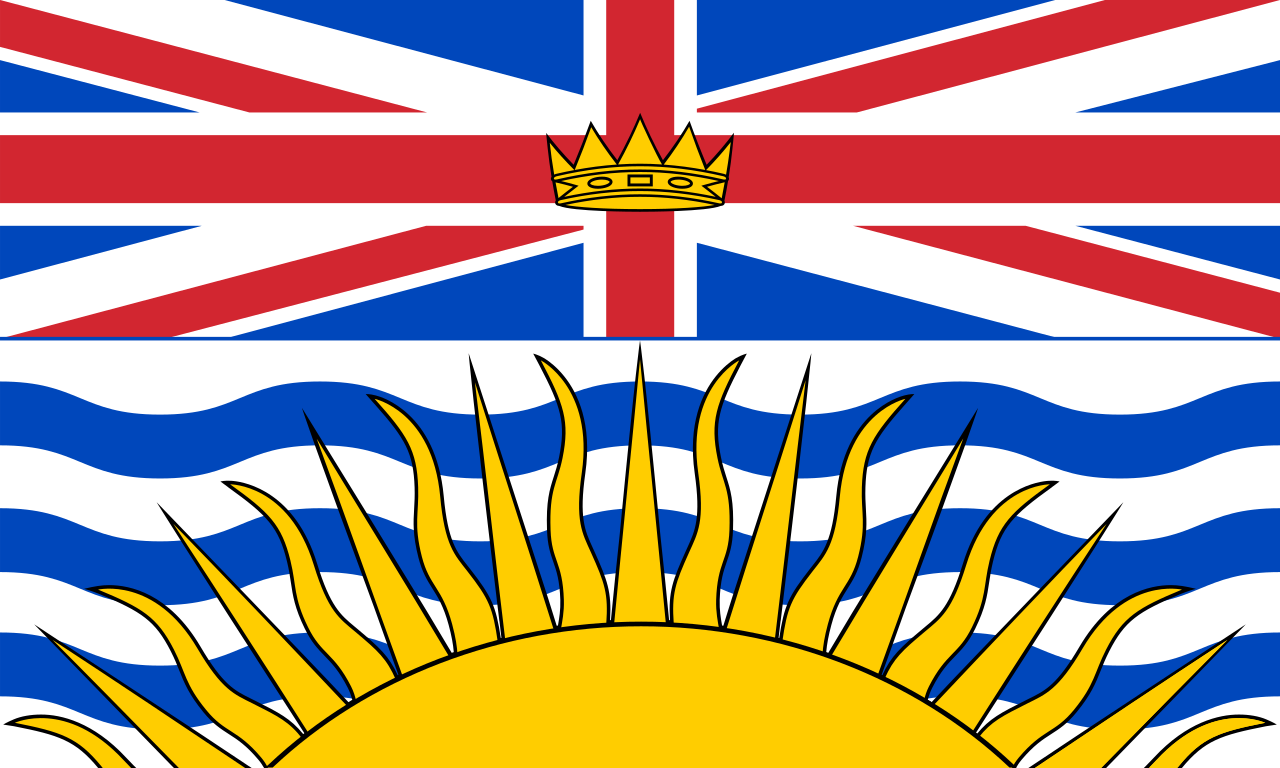
Flag Of British Columbia


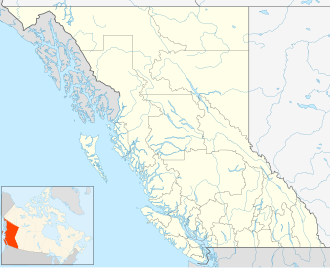


Geographical Extremes and Ecological Niches
British Columbia occupies a geographically spectacular position as Canada's westernmost province, defined by the dramatic interface between the Pacific Ocean and the formidable Rocky Mountains. This unique juxtaposition fosters an extraordinary range of ecosystems, from the temperate rainforests of the coast, characterized by towering cedars and firs, to the arid, desert-like conditions found in the southern interior, and the alpine meadows of its mountain ranges.
The province's rugged coastline, dotted with islands and fjords, is a testament to glacial activity and tectonic forces. BC's diverse topography includes not only mountains and forests but also significant bodies of freshwater, inland deserts, and expansive grasslands. It shares extensive borders with Alberta to the east, Yukon and the Northwest Territories to the north, and the United States (Alaska, Washington, Idaho, Montana) to the south.
This varied landscape supports a rich biodiversity, making it a crucial area for conservation efforts and a magnet for outdoor recreation.
Millennia of Human History and Cultural Evolution
The human history of British Columbia is exceptionally deep, with archaeological evidence indicating settlement by Indigenous peoples for at least 10,000 years. These First Nations, including prominent groups like the Coast Salish, Tsilhqotʼin, and Haida, developed sophisticated societies, complex governance structures, and profound spiritual connections to their ancestral lands, languages, and traditions. European exploration and subsequent colonization began in earnest in the 18th and 19th centuries.
Key milestones include the establishment of Fort Victoria in 1843, the founding of the Colony of British Columbia in 1858 spurred by the Fraser Canyon Gold Rush, and the eventual unification of Vancouver Island and British Columbia colonies. The province's entry into Canadian Confederation in 1871 marked a significant political transition, integrating its unique identity into the national fabric while preserving distinct regional characteristics.
Global Influences and Indigenous Roots
British Columbia stands out as one of Canada's most culturally diverse provinces, a vibrant mosaic shaped by centuries of Indigenous presence and waves of immigration. While its population has historical ties to the British Isles, significant diasporas from continental Europe, East Asia, and South Asia have profoundly influenced its social and cultural landscape. This cosmopolitan character is particularly evident in its major urban centers, especially Metro Vancouver.
Indigenous Canadians constitute a vital part of this cultural tapestry, representing approximately 6 percent of the population and maintaining distinct languages and traditions. English is the primary language, but the linguistic diversity is remarkable, with Punjabi, Mandarin Chinese, and Cantonese having substantial speaker bases. The Franco-Columbian community also maintains a recognized linguistic presence.
The province is a custodian of at least 34 distinct Indigenous languages, reflecting its deep historical roots.
Economic Powerhouse
British Columbia's economy is a dynamic blend of resource-based industries and modern service sectors. Historically, forestry and mining have been pillars, with the province being a major producer of lumber, pulp, paper, copper, coal, and natural gas. However, its economic profile has diversified significantly.
The province is a global leader in filmmaking and video production, earning the nickname 'Hollywood North'. Tourism thrives on its stunning natural beauty, attracting visitors worldwide. Real estate and construction are also major economic drivers. Critically, BC serves as Canada's gateway to the Pacific Rim.
The Port of Vancouver is the nation's largest and North America's most diversified port, facilitating extensive international trade. Despite having less than 5 percent arable land, agriculture is significant in regions like the Fraser Valley due to favorable microclimates. Furthermore, British Columbia hosts 45% of Canada's publicly listed companies, underscoring its importance in the national financial landscape.
Governance and Education in a Progressive Province
British Columbia operates as a parliamentary democracy within Canada's federal system. The provincial government is led by a Premier and a Legislative Assembly, responsible for areas such as healthcare, education, and provincial infrastructure. The capital city, Victoria, houses the seat of government.
Education is a key priority, with a robust public school system and several renowned post-secondary institutions, including the University of British Columbia and Simon Fraser University, contributing to research and innovation. The province's commitment to education is reflected in its efforts to integrate diverse cultural perspectives and prepare its population for a globalized economy. The government plays a crucial role in managing the province's vast natural resources, balancing economic development with environmental stewardship, and addressing the needs of its diverse population.
Go deeper
Frequently Asked Questions
What makes British Columbia special?+
Where is British Columbia located?+
Who lived in British Columbia before Europeans came?+
How did British Columbia become part of Canada?+
What languages do people speak in British Columbia?+
Based on content from Wikipedia · Licensed under CC BY-SA 4.0