

Alberta
Images
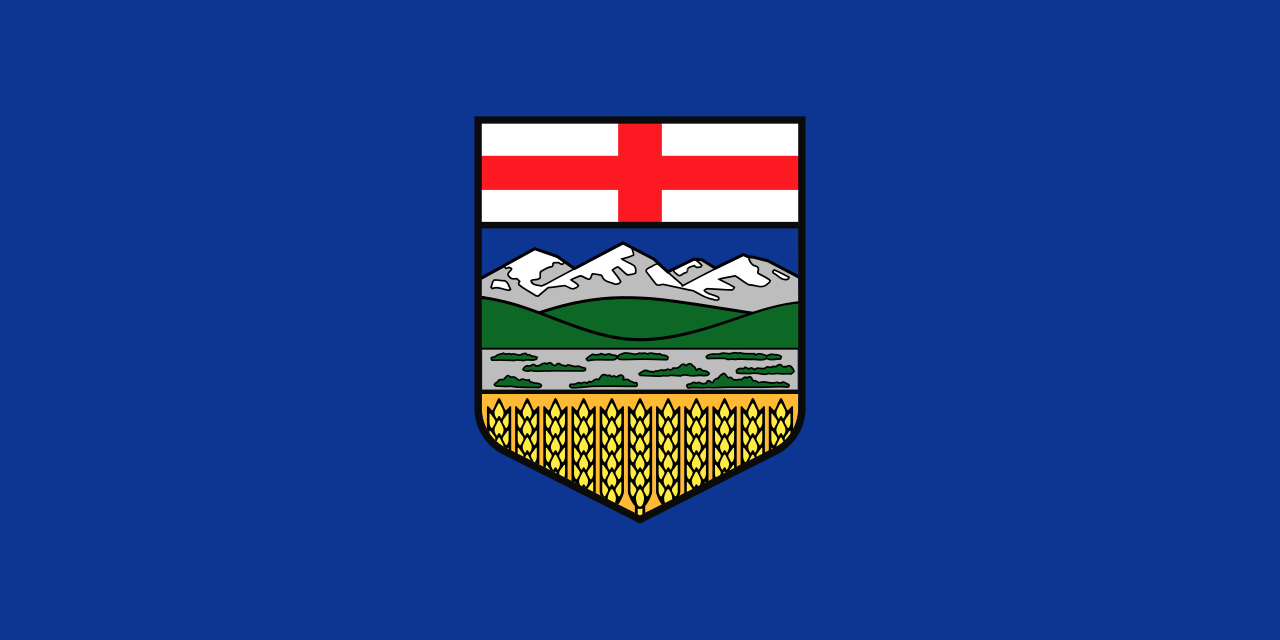
Flag Of Alberta


Geographical Tapestry
Alberta's geography is a study in dramatic contrasts. The western third of the province is dominated by the majestic Canadian Rocky Mountains, a segment of the vast Cordilleran mountain system, featuring iconic peaks, glaciers, and alpine landscapes that form the backbone of its natural beauty and tourism industry. Eastward, the terrain transitions into the Great Plains, characterized by rolling hills, grasslands, and river valleys, which are crucial for agriculture.
Alberta is one of only two landlocked Canadian provinces, a factor that significantly influences its climate. It experiences a predominantly continental climate with extreme seasonal temperature variations. Aridity exacerbates these swings, though western Alberta benefits from the moderating influence of Chinook winds, which can cause rapid and significant temperature increases during winter months, impacting snowpack and local weather patterns.
This diverse topography supports a wide array of ecosystems, from montane forests to dry mixed-grass prairies.
Historical Evolution
Alberta's history is deeply rooted in its Indigenous heritage. For millennia, various First Nations, including the Plains Cree and Blackfoot Confederacy, inhabited and utilized these lands, developing sophisticated cultures and economies. The arrival of European fur traders in the 18th and 19th centuries, notably from the Hudson's Bay Company and the North West Company, marked a significant shift, leading to exploration and the establishment of trading posts.
In 1870, the territory became part of Canada as part of the vast North-West Territories. The late 19th and early 20th centuries saw a surge of immigration, driven by the promise of agricultural prosperity and a desire to solidify Canadian sovereignty against potential U.S. annexation. The province was officially created in 1905 with the Alberta Act.
A pivotal moment in its modern history was the discovery of vast oil reserves in 1947, followed by the commencement of oil sands exploitation in 1967, fundamentally reshaping its economy and identity.
Socio-Cultural Landscape
Alberta is the fourth most populous province in Canada, with a population exceeding 4.2 million residents. The demographic landscape is characterized by a high proportion of its population concentrated in its two major census metropolitan areas: Calgary and Edmonton. This concentration fuels a dynamic urban culture and a notable, albeit friendly, rivalry between the two cities.
English is the official language, spoken by the vast majority of residents, though French and various other languages are also present, reflecting Alberta's multicultural makeup. The province's cultural identity is a complex tapestry woven from its Indigenous past, the frontier spirit of its settlers, and continuous immigration from around the globe. This blend manifests in its arts, festivals, and social fabric, creating a distinct Albertan character that is often associated with resilience, innovation, and a strong connection to its natural environment.
Economic Powerhouse
Alberta boasts a highly advanced, open, market-based economy, underpinned by a highly educated workforce and robust institutions. While historically driven by its immense energy resources, particularly oil and natural gas, which constitute the majority of its exports and significantly impact its Gross Domestic Product (GDP), the province has been actively pursuing economic diversification. The service sector is the largest employer, encompassing healthcare, education, professional services, retail, and tourism.
Furthermore, Alberta has a substantial industrial base in manufacturing and construction, alongside a burgeoning knowledge economy featuring thousands of tech companies. Agriculture, though employing a smaller percentage of the workforce, remains a vital industry. Alberta's economic output is substantial, contributing a significant portion to Canada's national GDP, and its export markets are predominantly in the United States.
Governance and Political Currents
Alberta's political landscape has evolved significantly since its creation. Historically, the political scene was dominated by two major parties. However, since 1935, the province has predominantly leaned towards conservative political ideologies.
The Social Credit Party held power for an extended period from 1935 to 1971, followed by the Progressive Conservatives, who governed continuously for an unprecedented 44 years from 1971 to 2015. This long tenure represents the longest unbroken period in government at either the provincial or federal level in Canadian history. This political dominance has shaped Alberta's policies and its relationship with the federal government, often characterized by a strong emphasis on provincial autonomy and resource development.
The province's political identity is a key aspect of its distinctiveness within Canada.
Go deeper
Frequently Asked Questions
What are the main natural features of Alberta?+
Why does Alberta have big temperature changes?+
Where did people first live in Alberta?+
How did Alberta become a province?+
What is Alberta famous for today?+
Based on content from Wikipedia · Licensed under CC BY-SA 4.0