

Breed: Making Amazing Animals!
Images

Breed


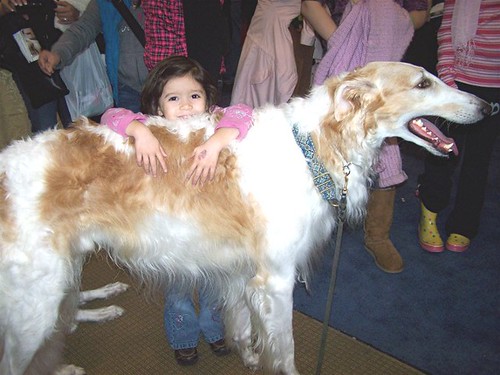


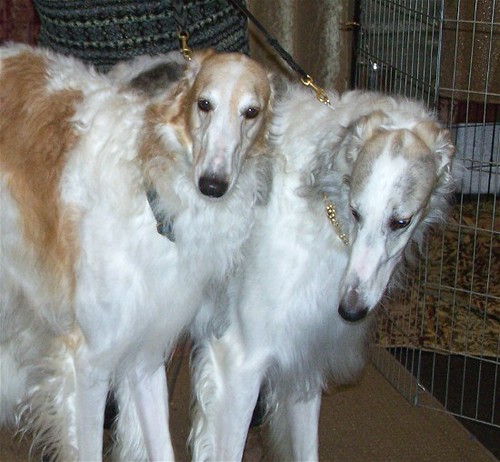
Defining the Breed
A breed is fundamentally a human-defined classification within a species, characterized by a set of heritable traits that distinguish it from other groups. These traits can encompass morphology (physical form), physiology (bodily functions), and behavior. Unlike natural species that evolve through natural selection in response to environmental pressures, breeds are products of artificial selection, where humans actively choose which individuals reproduce based on desired characteristics.
This process has led to an astonishing array of variations within species like Canis lupus familiaris (domestic dog) and Bos taurus (domestic cattle), often diverging significantly from their wild ancestors. The establishment of breed registries and standards further solidifies these distinctions, creating pedigreed populations with documented lineages.
A Tapestry Woven Through Time
The practice of breeding animals for specific purposes dates back to the Neolithic Revolution, coinciding with the initial domestication of animals. Early humans recognized the utility of certain animals and began influencing their reproduction. For instance, the domestication of wolves likely involved favoring individuals with reduced fear responses and increased sociability, gradually shaping them into the ancestors of modern dogs.
Over millennia, as human societies became more complex, so did breeding practices. Agricultural advancements led to the development of specialized livestock breeds for milk, meat, wool, and labor. The medieval period saw the refinement of horse breeds for warfare and transport, while the Victorian era witnessed an explosion in dog breed development, driven by a growing interest in animal companionship and specialized roles like hunting and guarding.
This historical trajectory highlights how societal needs and cultural values have directly sculpted the animal kingdom.
The Genetic Architecture of Breeds
The creation and maintenance of breeds rely on principles of genetics. Selective breeding exploits genetic variation within a population. By repeatedly choosing individuals with specific alleles (gene variants) that confer desired traits, breeders increase the frequency of those alleles in subsequent generations.
This can lead to genetic bottlenecks, where a small founding population or intense selection reduces overall genetic diversity, making breeds more susceptible to certain inherited diseases. For example, breeds with extreme physical characteristics, such as the short-nosed brachycephalic breeds of dogs, often suffer from respiratory issues due to specific genetic mutations. Understanding these genetic underpinnings is crucial for responsible breeding practices aimed at maintaining both breed standards and animal welfare.
Breeds as Cultural and Economic Pillars
Breeds are more than just biological classifications; they are deeply intertwined with human culture and economy. Livestock breeds form the backbone of the global agricultural industry, with specific breeds optimized for efficiency in milk production, meat yield, or wool quality. For example, the Holstein cow is a global standard for dairy production, while the Merino sheep is prized for its fine wool.
Companion animal breeds, particularly dogs and cats, hold significant cultural importance, serving as companions, service animals, and even status symbols. The economic value associated with purebred animals is substantial, influencing industries from pet care to livestock management. Furthermore, breeds can represent regional heritage and identity, with many breeds being intrinsically linked to specific geographical areas or historical traditions.
Contemporary Challenges and the Future of Breeding
In the modern era, the concept of breed faces ongoing challenges and ethical considerations. The pursuit of extreme traits in some breeds has led to significant health problems, prompting discussions about welfare over aesthetics. Genetic technologies, such as DNA testing and marker-assisted selection, offer new tools for breeders to identify and manage genetic health, but also raise questions about genetic purity and the potential for unintended consequences.
Conservation efforts are also emerging for rare or endangered breeds, recognizing their genetic value and historical significance. The future of breeding likely involves a more nuanced approach, balancing the preservation of breed characteristics with a strong emphasis on the health, welfare, and genetic diversity of the animals themselves, moving beyond purely aesthetic or performance-driven selection.
Go deeper
Frequently Asked Questions
What is a breed?+
How do people create new breeds?+
Why do some dog breeds have health problems?+
When did people start breeding animals?+
How does breeding help farmers and families?+
Based on content from Wikipedia · Licensed under CC BY-SA 4.0