

Dog: Your Best Furry Friend!
Images

Dog


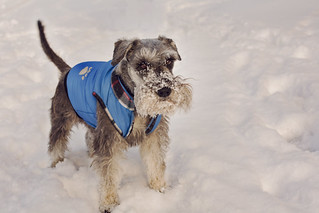


Ubiquitous Companionship
The domestic dog (Canis lupus familiaris) stands as a testament to successful interspecies cohabitation, found in virtually every corner of the globe where humans reside. Their distribution mirrors human migration and settlement patterns, from the Arctic tundra, where breeds like the Siberian Husky are vital for survival and transport, to the dense urban landscapes of megacities, where they serve as companions and working partners. Dogs have adapted to an extraordinary range of climates and ecological niches, a feat achieved through millennia of domestication and selective breeding by humans.
This adaptability is not merely physical; it extends to their social integration, allowing them to fulfill diverse roles, from essential working animals in remote communities to cherished family members in developed nations. Their global population, estimated to exceed one billion, underscores their unparalleled success as a domesticated species.
From Wolf Ancestry to Ancient Alliances
The domestication of the dog represents one of the earliest and most significant human-animal partnerships, predating agriculture and the establishment of permanent settlements. Genetic and archaeological evidence points to a divergence from wolf populations occurring tens of thousands of years ago, likely in Eurasia. This process was not a singular event but a complex, gradual interaction where proto-dogs, possibly scavenging near human encampments, developed a tolerance for human presence.
Humans, in turn, recognized the benefits of these canids for early warning systems, hunting assistance, and potentially even as a food source. Over successive generations, natural selection favored individuals with traits amenable to human society-reduced aggression, increased sociability, and specific behavioral responses. This ancient alliance profoundly shaped the evolutionary trajectory of both species, laying the groundwork for the incredible diversity and utility of modern dogs.
Sensory Prowess and Specialized Roles
The remarkable sensory capabilities of dogs have been instrumental in their integration into human society and their development into highly specialized working partners. Their olfactory system, with up to 300 million scent receptors compared to humans' mere 6 million, allows for unparalleled scent detection. This acute sense is harnessed in critical fields such as law enforcement (drug and explosive detection), search and rescue, and even medical diagnostics, where dogs can detect subtle biochemical changes indicative of diseases like cancer or diabetes.
Their auditory range extends into the ultrasonic spectrum, enabling them to hear sounds far beyond human perception. Coupled with their innate trainability, loyalty, and complex social cognition, these sensory advantages have enabled dogs to excel in roles as guide dogs for the visually impaired, hearing dogs for the deaf, emotional support animals, and highly effective protectors, demonstrating a profound synergy between canine abilities and human needs.
The Spectrum of Breeds
The astonishing diversity of dog breeds, numbering over 300 recognized types, is a direct consequence of human-directed selective breeding over centuries. This process has resulted in an immense variation in size, morphology, temperament, and aptitude. Breeds range from the diminutive Yorkshire Terrier, weighing only a few pounds, to the imposing Irish Wolfhound, one of the tallest breeds.
Their physical forms are sculpted for specific tasks: sighthounds like the Saluki are built for extreme speed and endurance in open terrain, while scent hounds such as the Basset Hound possess elongated ears and powerful noses for tracking. Working breeds like the German Shepherd are renowned for their intelligence, trainability, and protective instincts, making them ideal for police and military roles. This vast phenotypic spectrum highlights the dog's plasticity and its capacity to adapt to a multitude of human-defined purposes, making each breed a unique chapter in the ongoing story of canine evolution and human collaboration.
Societal Integration and Modern Relevance
Beyond their historical roles, dogs continue to be deeply integrated into the fabric of modern human societies, evolving their functions and deepening their impact. In an era of increasing urbanization and digital connectivity, the human-dog bond offers crucial emotional support, mitigating loneliness and stress. Therapy dogs provide comfort in hospitals, nursing homes, and schools, demonstrating the profound psychological benefits of interspecies interaction. Furthermore, advancements in veterinary science and a greater understanding of canine behavior have led to more sophisticated training methods and improved welfare standards.
Dogs also play a significant role in the global economy, from the pet care industry to specialized working dog sectors. Their continued presence and evolving roles underscore their enduring importance as not just companions, but as integral members of human communities, reflecting a partnership that has thrived for millennia and continues to adapt to contemporary life.
See also
Frequently Asked Questions
What makes dogs special friends for people?+
How did dogs become so many different breeds?+
Why can dogs smell and hear better than people?+
Where do dogs live around the world?+
How do dogs help people in important jobs?+
Based on content from Wikipedia · Licensed under CC BY-SA 4.0