

Black Tea: The Cozy Drink!
Images

Black Tea



The Chemical Transformation
Black tea represents a significant departure from other tea varieties due to its extensive oxidation process. Unlike green tea, which is rapidly heated to denature enzymes and halt oxidation, black tea leaves undergo a deliberate period of wilting, rolling, and exposure to air. During this phase, the cell walls of the leaves are ruptured, allowing endogenous enzymes, particularly polyphenol oxidase and peroxidase, to interact with phenolic compounds.
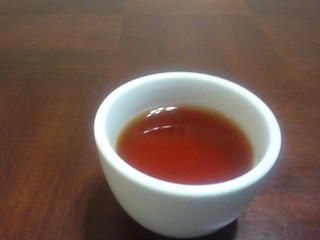
This enzymatic oxidation leads to the formation of theaflavins and thearubigins, complex polyphenols responsible for black tea's characteristic dark color, robust flavor, and malty aroma. The degree of oxidation is meticulously controlled by tea masters, influencing the final taste profile, from brisk and bright to deep and malty. This controlled chemical transformation is the defining characteristic that distinguishes black tea from its less oxidized counterparts like oolong, white, and green teas, all derived from the same species, Camellia sinensis.
From Ancient Roots to Global Trade Routes
The genesis of black tea is traced back to China, where it was known as 'hong cha' (red tea), a nomenclature reflecting the color of the liquor and leaves post-oxidation. While green tea processing techniques were established earlier, the development of fully oxidized teas gained prominence over centuries. The superior shelf-life of black tea, a direct consequence of its oxidation, made it an ideal candidate for long-distance trade.
This longevity allowed it to traverse vast distances without significant degradation of flavor, a critical factor in its global dissemination. Historically, compressed tea bricks, a highly stable form of black tea, became a vital commodity, functioning as de facto currency in regions such as Tibet, Mongolia, and Siberia well into the 19th century. This economic role underscores its profound impact on historical trade networks and cultural exchange, facilitating commerce and connecting disparate societies.
Varietal Differences and Regional Terroir
The diversity within black tea is influenced by two primary varietals of the Camellia sinensis plant: the indigenous Chinese variety (Camellia sinensis var. sinensis) and the larger-leaved Assamese variety (Camellia sinensis var. assamica). The Chinese variety, with its smaller leaves and higher resilience to cold, is traditionally used for a wide array of teas, including many black teas, particularly in China and Taiwan. The Assamese variety, thriving in warmer, humid climates, is renowned for producing robust, malty black teas, forming the backbone of tea production in India and Sri Lanka.
Beyond varietal differences, regional terroir-encompassing climate, soil composition, and altitude-plays a crucial role in shaping the unique characteristics of black teas from different origins, such as the floral notes of Darjeeling or the briskness of Ceylon.
Contemporary Relevance
In contemporary society, black tea continues to hold significant cultural and economic importance. It remains one of the most widely consumed beverages globally, a daily ritual for billions. Beyond its cultural ubiquity, research continues to explore its potential health benefits.
The presence of caffeine offers a mild stimulant effect, enhancing alertness and cognitive function, while flavonoids and other polyphenols are subjects of ongoing study for their antioxidant and cardiovascular properties. While not a panacea, moderate consumption is often associated with modest health advantages. Economically, the black tea industry is a major global enterprise, supporting millions of livelihoods from cultivation and processing to distribution and retail.
Its enduring appeal lies in its complex flavor profiles, historical resonance, and its established place in global health and economic landscapes.
See also
Frequently Asked Questions
What makes black tea different from green tea?+
How does black tea get its dark color?+
Why was black tea used as money in Tibet and Mongolia?+
Where does black tea come from?+
Does black tea have caffeine?+
Based on content from Wikipedia · Licensed under CC BY-SA 4.0