

Bilbao: A City by the Sea!
Images

Collage De Bilbao, PaíS Vasco, EspañA




Geographical Context
Bilbao's strategic location in north-central Spain, approximately 16 kilometers south of the Bay of Biscay, profoundly influences its character and climate. Nestled within the province of Biscay, it is embraced by two mountain ranges averaging 400 meters in elevation, creating a distinct geographical basin. This topography moderates the maritime influence from the Bay of Biscay, resulting in a temperate oceanic climate.
Unlike much of the Iberian Peninsula, Bilbao experiences relatively mild summers with moderated temperatures, lower sunshine hours, and higher rainfall, contributing to its lush green surroundings. The Estuary of Bilbao, a vital waterway formed by the confluence of several rivers, has historically been the city's lifeline for trade and industry, shaping its development and connection to the wider world. This interplay of coastal proximity and mountainous terrain provides a unique environmental backdrop for the city's dynamic urban life.
From Medieval Port to Industrial Epicenter
Founded in 1300 by Diego López V de Haro, Bilbao's origins lie in its strategic position as a commercial hub within the Crown of Castile. Its early prosperity was fueled by its port, facilitating the export of iron ore and wool across Europe, establishing it as a key node in medieval trade networks. The city's trajectory dramatically shifted during the 19th and early 20th centuries with intense industrialization.
Bilbao became the nucleus of Spain's second-most industrialized region, second only to Catalonia. This industrial boom triggered an unprecedented population explosion, necessitating the annexation of surrounding municipalities and fundamentally reshaping the urban fabric. This period of heavy industry, while bringing economic growth, also presented significant environmental challenges that would later necessitate a radical transformation.
The Guggenheim Effect and the Dawn of a New Bilbao
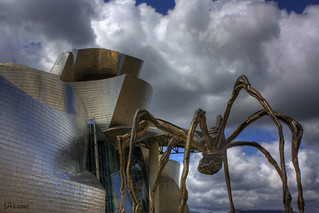
The late 20th century marked a pivotal turning point for Bilbao, initiating a profound social, economic, and aesthetic revitalization. Spearheaded by the construction of the iconic Guggenheim Museum Bilbao, designed by Frank Gehry and opened in 1997, the city embarked on a path of ambitious urban regeneration. The museum's striking titanium architecture became an instant global landmark, attracting tourism and investment, and serving as a catalyst for further development.
This cultural anchor was complemented by significant infrastructure upgrades, including a state-of-the-art airport terminal, an efficient rapid transit system (Metro Bilbao), a modern tram line, and the transformation of former industrial sites like Azkuna Zentroa. Ongoing projects in areas such as Abandoibarra and Zorrozaurre continue this process, repositioning Bilbao as a forward-thinking, service-oriented city renowned for its innovative urban planning.
Cultural Identity
Bilbao is the vibrant heart of Biscay and a powerful symbol of Basque cultural identity. The Basque people possess a unique heritage, most notably their ancient and enigmatic language, Euskara, which predates the arrival of Indo-European languages in Europe. This distinct linguistic and cultural heritage is fiercely preserved and celebrated.
A prominent manifestation of this identity is the football club Athletic Club. Its unwavering policy of exclusively fielding players with Basque roots has elevated the club beyond mere sport; it stands as a potent symbol of Basque nationalism and a source of immense regional pride. The club's success, deeply intertwined with its unique philosophy, resonates profoundly within the community, reinforcing a strong sense of collective belonging and cultural resilience.
Global Recognition
Bilbao's remarkable transformation has not gone unnoticed on the international stage. In 2010, the city was honored with the prestigious Lee Kuan Yew World City Prize, often likened to the 'Nobel Prize for urbanism,' recognizing its innovative approach to urban development and quality of life. This was followed by the 2012 World Mayor Prize awarded to its mayor, Iñaki Azkuna, acknowledging his leadership in steering the city's revitalization since the 1990s.
Further cementing its reputation, Bilbao was named 'Best European City 2018' at The Urbanism Awards, a testament to its ongoing commitment to creating a sustainable, livable, and dynamic urban environment. These accolades underscore Bilbao's success as a model for cities worldwide seeking to reinvent themselves through strategic planning and cultural investment.
Go deeper
Frequently Asked Questions
What makes Bilbao's climate special compared to other parts of Spain?+
Why did the Guggenheim Museum help Bilbao change after its industrial past?+
How did Bilbao become a big city in the 19th and early 20th centuries?+
Where is Bilbao located and how do the sea and mountains affect it?+
What is the Basque language and why is it important to Bilbao?+
Based on content from Wikipedia · Licensed under CC BY-SA 4.0