

Catalonia
Images
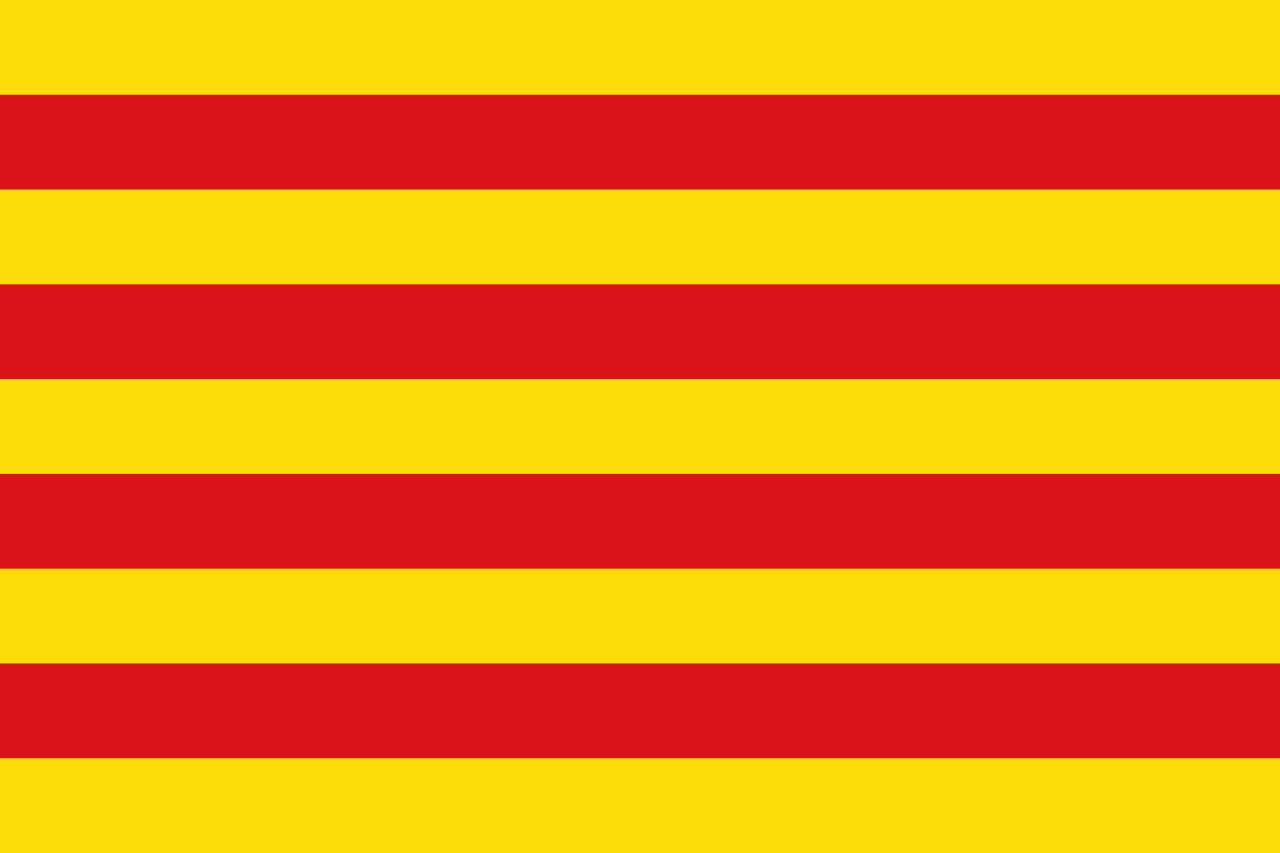
Catalonia


Geographical Canvas
Catalonia's geography is a defining element of its character, acting as a natural bridge between the Iberian Peninsula and the rest of Europe. Situated in the northeast, its northern border is dramatically defined by the Pyrenees mountain range, a formidable natural barrier that historically influenced its interactions with France and Andorra. This mountainous terrain gives way to the Pre-Pyrenees and then descends into the flatter Central Depression and the Transversal Range.
To the east, Catalonia boasts an extensive coastline along the Mediterranean Sea, approximately 580 kilometers long. This coastal strip is crucial for its maritime history, trade, and modern tourism. The varied topography creates distinct microclimates, ranging from the cooler, alpine conditions in the mountains to the warm, Mediterranean climate along the coast, influencing its agriculture and biodiversity.
The Val d'Aran, a unique valley in the Pyrenees, has its own distinct linguistic and cultural characteristics, even having its own official language, Aranese.
A Tapestry of Time
The historical trajectory of Catalonia is marked by a persistent assertion of distinct identity, even within larger political structures. Emerging as the Principality of Catalonia from various counties, it formed a crucial component of the Crown of Aragon following the union with the County of Barcelona in 1137. Within this composite monarchy, Catalonia played a pivotal role, driving Mediterranean expansion and trade through its sophisticated institutions like the Courts and the Generalitat.
Its legal system and constitutions were foundational. Despite periods of union with Castile, leading to the unified Spanish monarchy, tensions often arose over the preservation of Catalan institutions. Significant historical events, such as the Revolt of Catalonia (1640–1652) and the cession of northern territories to France via the Treaty of the Pyrenees (1659), highlight these struggles.
The imposition of the Nueva Planta decrees after the War of the Spanish Succession in 1714 marked a severe blow, suppressing its distinct political and legal systems and diminishing the public role of the Catalan language.
Cultural Resilience
Catalonia's cultural landscape is characterized by a remarkable resilience, with its language, Catalan, serving as a central pillar of its identity. Despite historical attempts to suppress it, Catalan has experienced significant revivals, most notably during the Renaixença (Renaissance) in the 19th century, which saw a flourishing of Catalan literature and a resurgence of national consciousness. This cultural renaissance, coupled with industrialization, laid the groundwork for modern Catalan nationalism.
Today, Catalan is an official language alongside Spanish and Aranese, and its use is promoted in education, media, and public life. The region is a global center for the arts, particularly renowned for the unique architectural style of Antoni Gaudí, whose works in Barcelona are UNESCO World Heritage sites. Catalan culture also manifests in its vibrant festivals, traditional music (like Sardana dancing), and a strong culinary tradition that emphasizes fresh, local ingredients.
Economic Dynamism
Catalonia stands as one of Spain's most economically dynamic regions, boasting a diverse and robust economy. Historically, it was at the forefront of Spain's industrialization in the 19th century, particularly in textiles. This industrial base has evolved significantly, with modern Catalonia being a major center for manufacturing, automotive production, chemicals, and pharmaceuticals.
Barcelona, its capital, is a global city, a major hub for international business, finance, and tourism, attracting millions of visitors annually. The region is also a leader in research and development, with significant investment in technology, biotechnology, and renewable energy. Its strategic location on the Mediterranean, coupled with a skilled workforce and a strong entrepreneurial spirit, continues to drive its economic growth and innovation, making it a key player within both Spain and the European Union.
The Quest for Self-Governance
The political landscape of Catalonia is deeply intertwined with its historical identity and its pursuit of self-governance. The establishment of the Generalitat, Catalonia's regional government, dates back centuries, and its restoration during the Second Spanish Republic (1931–1939) was a significant moment. However, this autonomy was brutally suppressed under the Francoist dictatorship, which banned the Catalan language and abolished self-government.
Following Spain's transition to democracy, Catalonia regained its autonomy, reestablishing the Generalitat and becoming one of Spain's most economically powerful regions. In recent decades, there has been a significant movement advocating for greater autonomy or full independence. This culminated in a referendum on independence in 2017, which led to a unilateral declaration of independence by the Catalan Parliament, followed by direct rule from the Spanish state and subsequent legal and political challenges.
The ongoing debate surrounding Catalan self-determination remains a central issue in contemporary Spanish politics.
Go deeper
Frequently Asked Questions
What is Catalonia?+
Where are the Pyrenees and why are they important?+
What is the Renaixença?+
Who is Antoni Gaudí and what did he build?+
What languages can you speak in Catalonia?+
Based on content from Wikipedia · Licensed under CC BY-SA 4.0