

Basra Governorate
Images
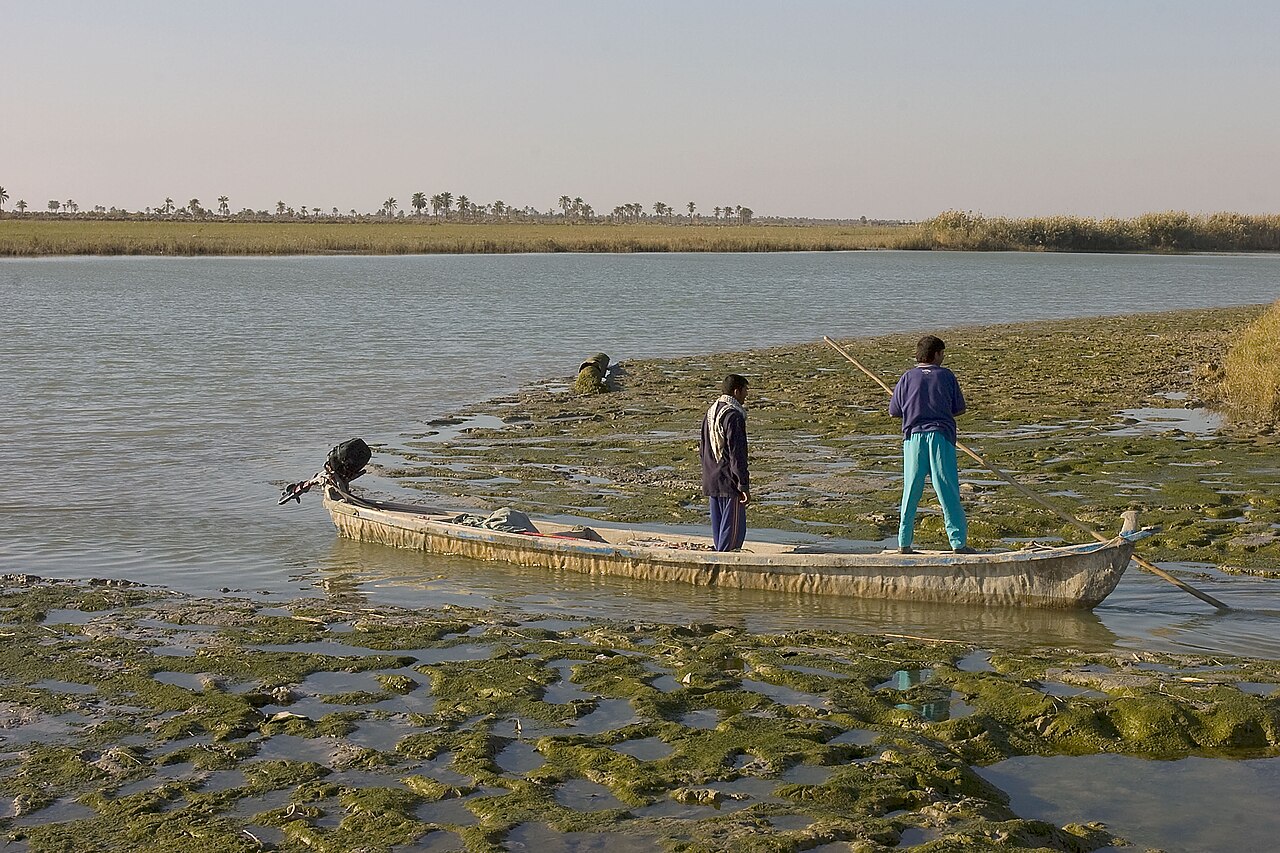
Mashoof 12.19.08 (2)


Geographical Imperatives
Basra Governorate occupies the southernmost tip of Iraq, a region of profound geographical and strategic importance. Its unique position is defined by its extensive coastline along the Persian Gulf, making it Iraq's sole maritime access point. This coastal strip, extending through districts like Al-Faw and Abu Al-Khaseeb, is critical for international trade and naval presence.
The governorate is also characterized by the majestic confluence of the Tigris and Euphrates rivers, which merge to form the Shatt al-Arab. This vital waterway, historically a point of contention and cooperation with neighboring Iran, is the lifeblood of the region, supporting agriculture, transportation, and urban development. The landscape is predominantly flat and alluvial, with vast marshlands and deltas that have historically supported unique ecosystems and human settlements.
However, the climate is extreme, with scorching summers characterized by high temperatures and humidity, and mild winters. The arid conditions outside the immediate riverine and coastal zones necessitate sophisticated water management and irrigation systems, a challenge that has intensified due to environmental degradation and upstream damming in neighboring countries. The districts of Basra include the capital city of Basra, Al-Qurna, Al-Zubair, Al-Midaina, Shatt Al-Arab, Abu Al-Khaseeb, and Al-Faw, each contributing to the governorate's diverse character.
Historical Trajectories
The history of Basra Governorate is a narrative of strategic importance, economic dynamism, and enduring resilience. Founded in 636 CE by the Rashidun Caliphate, Basra rapidly evolved into a major Islamic city, a bustling port, and a center of learning and trade. Its location at the nexus of Mesopotamian civilization and maritime routes to the Indian subcontinent and East Africa cemented its status as a global hub.
Throughout the Abbasid, Buyid, and Ottoman periods, Basra remained a key economic and administrative center, though it also experienced periods of decline and conflict. The discovery of vast oil reserves in the 20th century fundamentally reshaped the region's destiny, transforming it into the epicenter of Iraq's petroleum industry. This economic boom, however, was accompanied by significant geopolitical tensions, particularly concerning the Shatt al-Arab waterway, which led to the Iran-Iraq War.
The subsequent decades brought further challenges, including the Gulf War and its aftermath, which inflicted severe damage on infrastructure and the environment. Despite these historical adversies, Basra has consistently demonstrated a remarkable capacity for recovery, driven by its strategic assets and the tenacity of its population.
Socio-Cultural Fabric
The socio-cultural landscape of Basra Governorate is a rich tapestry woven from centuries of diverse influences. Arabic is the official and predominant language, though distinct local dialects and influences from historical communities, including Persian and various tribal languages, add layers of linguistic complexity. The population, primarily Arab, exhibits strong tribal affiliations and deep-rooted community bonds, which are central to social organization and identity.
Basrawis are often characterized by their hospitality, resilience, and a strong sense of regional pride. The cultural practices are a blend of traditional Islamic customs and local traditions, often influenced by the region's maritime heritage and agricultural cycles. Festivals, religious observances, and social gatherings are integral to community life.
The city of Basra itself is a microcosm of this cultural dynamism, featuring a mix of historical architectural styles, bustling souks, and modern urban development. The region's historical role as a cosmopolitan trading center has also left an indelible mark on its cultural ethos, fostering a spirit of openness and exchange.
Economic Powerhouse
Basra Governorate stands as the undisputed economic engine of Iraq, primarily driven by its colossal oil wealth. It hosts some of the world's largest oil fields, including Rumaila, West Qurna, and Majnoon, making it the cornerstone of Iraq's petroleum production and export. The infrastructure for oil extraction, processing, and export, including terminals in the Persian Gulf, is paramount to the national economy.
Beyond oil, Basra's strategic coastal location makes it Iraq's principal gateway for international trade. The deep-water port of Umm Qasr is vital for the import of goods and the export of non-oil products. Agriculture, particularly date cultivation, remains significant, leveraging the fertile alluvial plains of the Shatt al-Arab, though it faces challenges from water scarcity and salinity.
The fishing industry also provides livelihoods for many. However, the governorate grapples with significant development challenges, including the need for robust infrastructure investment, job creation, environmental protection, and effective governance to ensure that its vast resources translate into sustainable prosperity for its population.
Governance and Education
Basra Governorate operates under Iraq's federal system, with its own governor and provincial council responsible for local administration and policy implementation. The governorate is divided into several districts, each with its own administrative structure. Governance in Basra is often complex, influenced by national politics, regional dynamics, and the significant economic power derived from oil revenues.
Ensuring effective and transparent governance, equitable resource distribution, and security remains a persistent challenge. In terms of education, Basra hosts a range of educational institutions, from primary schools to universities. The University of Basra is a major center for higher learning, offering programs across various disciplines and contributing to the development of human capital.
However, like many regions in Iraq, Basra faces challenges in its education sector, including the need for improved infrastructure, updated curricula, and greater access to quality education for all its citizens. Investing in education is crucial for fostering skilled labor, promoting innovation, and building a more prosperous and stable future for the governorate.
Go deeper
Based on content from Wikipedia · Licensed under CC BY-SA 4.0