

Bank of Japan
Images
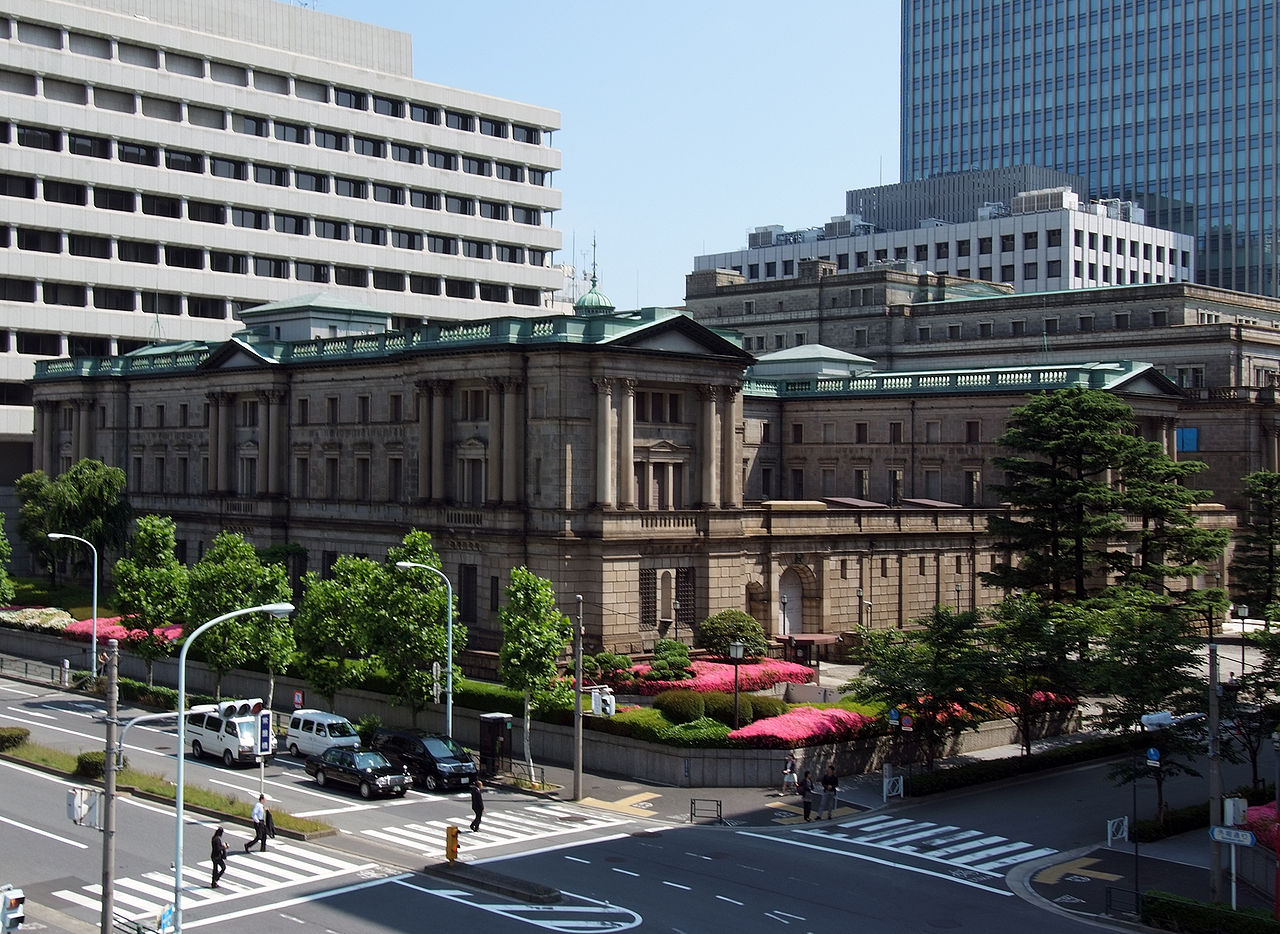
Bank of Japan 2010


The Nexus of Japanese Finance
The Bank of Japan (BOJ), known colloquially as 'Nichigin,' is headquartered in the bustling Nihonbashi district of Chūō, Tokyo. As Japan's central bank, its primary mandate is to ensure the stability of the financial system and maintain price stability. Established in 1882, the BOJ operates as a corporate entity, a structure that grants it a degree of operational independence from the direct control of the Japanese government.
This autonomy is not absolute but is designed to insulate monetary policy decisions from short-term political expediency. The BOJ's charter emphasizes its role in contributing to the sound development of the economy and the enhancement of public welfare. This independence is a cornerstone of modern central banking, allowing the BOJ to implement policies aimed at long-term economic health, such as managing inflation and interest rates, without succumbing to pressures for immediate, potentially detrimental, political gains.
The location in Nihonbashi, a historic commercial center, symbolically places it at the heart of Japan's economic activity.
Navigating Economic Tides
The Bank of Japan's establishment in the late 19th century was a pivotal moment in Japan's Meiji Restoration era, a period of rapid industrialization and modernization. Prior to its founding, Japan lacked a unified central banking system, leading to financial instability. The BOJ was created to standardize currency, manage government debt, and foster a reliable financial infrastructure.
Throughout the 20th century, it played a critical role in financing Japan's wartime efforts, managing post-war reconstruction, and guiding the nation through its remarkable period of high economic growth. More recently, the BOJ has grappled with persistent deflationary pressures and the challenges of unconventional monetary policies, such as quantitative easing, in an effort to stimulate economic activity and achieve its inflation targets. Its history reflects Japan's broader economic evolution, from an emerging industrial power to a global economic leader facing complex contemporary challenges.
The Art of Monetary Policy
The Bank of Japan wields a sophisticated toolkit to achieve its core objectives. Its primary goal is price stability, typically defined by an inflation target (currently 2%). To achieve this, the BOJ influences the money supply and credit conditions through various monetary policy instruments.
These include setting the overnight call rate (a key interest rate), conducting market operations (buying and selling government bonds), and implementing forward guidance to signal future policy intentions. In recent years, facing persistent low inflation, the BOJ has also employed unconventional measures like negative interest rates and yield curve control. These policies aim to encourage borrowing and investment, thereby stimulating economic growth and pushing inflation towards the target.
The effectiveness and potential side effects of these policies are subjects of ongoing debate among economists, highlighting the complexity of managing a modern economy.
The Imperative of Independence
The legal framework surrounding the Bank of Japan underscores its crucial independence. While the government sets the overall economic policy direction, the BOJ has autonomy in deciding and implementing monetary policy. This separation is vital because monetary policy decisions often require a long-term perspective, focusing on sustainable growth and stable prices, which may sometimes conflict with the short-term electoral cycles and policy priorities of the government.
Political interference in monetary policy can lead to suboptimal outcomes, such as excessive inflation driven by the need to finance government spending or stimulate the economy before an election. The BOJ's independence allows it to act as a credible anchor for economic stability, fostering confidence among domestic and international investors. This trust is essential for the smooth functioning of financial markets and the overall health of the Japanese economy.
Beyond Currency
While managing the yen and inflation are central, the Bank of Japan's responsibilities extend further. It acts as the lender of last resort, providing liquidity to financial institutions during times of crisis to prevent systemic collapse. The BOJ also plays a crucial role in overseeing the payment and settlement systems, ensuring that transactions can occur smoothly and securely.
Furthermore, it collects and analyzes vast amounts of economic data, publishing reports and forecasts that are vital for understanding the state of the Japanese economy. This information is used not only for its own policy decisions but also by businesses, researchers, and the government. The bank's commitment to transparency, through regular press conferences and publications, is also a key aspect of its role in building public trust and accountability.
See also
Frequently Asked Questions
What is the Bank of Japan and why is it important?+
Where is the Bank of Japan located?+
When was the Bank of Japan founded?+
How does the Bank of Japan try to keep prices stable?+
Why does the Bank of Japan act independently from the government?+
Based on content from Wikipedia · Licensed under CC BY-SA 4.0