

Nihonbashi
Images

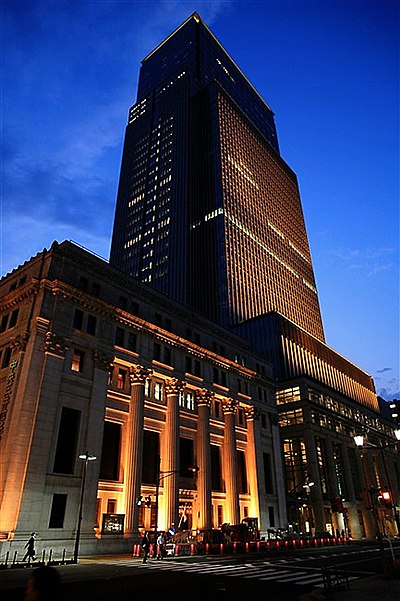
Takashimaya Nihonbashi Store 2010




The Genesis of National Connectivity
Nihonbashi, literally 'Japan Bridge,' transcends its geographical identity as a business district in Chūō, Tokyo, to represent a pivotal point in the nation's historical development. Its profound significance originates from its designation as the 'zero marker' for the Gokaidō, the five major highways established during the Edo period (1603-1868) by the Tokugawa shogunate.
This strategic placement transformed the bridge from a mere river crossing into the symbolic and literal starting point for all major routes connecting Edo with the rest of Japan. This infrastructural linchpin facilitated not only the movement of people and goods but also the dissemination of culture and the consolidation of political power. The area surrounding the bridge rapidly evolved into the commercial heart of Edo, fostering a vibrant merchant class and establishing Nihonbashi as the core of Shitamachi, the traditional downtown, a status it held before the rise of newer urban centers like Shinjuku and Shibuya.
Its historical role as the nexus of national connectivity continues to resonate, embedding it deeply within Japan's collective consciousness and urban planning history.
Architectural Evolution
The physical manifestation of Nihonbashi has undergone significant transformations, mirroring Japan's own journey through different historical eras. The original wooden bridge, completed in 1603, was a functional structure that served the burgeoning city of Edo for over two centuries. However, as Japan entered the Meiji era (1868-1912) and embraced Westernization and modernization, the need for more durable and grander infrastructure became apparent.
The current Nihonbashi bridge, a masterpiece of early 20th-century engineering, was constructed between 1909 and 1911. Designed by the prominent architect Tsumaki Yorinaka, it is an elegant example of Western architectural influence, featuring a steel frame clad in granite. This robust construction not only symbolized Japan's technological advancements but also provided a lasting monument that has endured through numerous historical events and urban changes.
The bridge's design, blending Western engineering with Japanese aesthetic sensibilities, makes it a significant architectural landmark that continues to connect the past with the present.
The Enduring Economic and Cultural Pulse of Nihonbashi
Beyond its historical and infrastructural importance, Nihonbashi remains a dynamic economic and cultural hub. Historically, it was the epicenter of commerce in Edo, housing major trading companies, financial institutions, and the nascent stock exchange. This legacy persists today, with Nihonbashi continuing to be a prominent financial district, home to the Tokyo Stock Exchange and numerous major banks and corporate headquarters.
The area is a testament to Japan's economic prowess, blending cutting-edge financial services with a deep respect for tradition. Alongside its modern commercial identity, Nihonbashi preserves its cultural heritage through traditional shops specializing in crafts, textiles, and culinary goods, often passed down through generations. This juxtaposition of high finance and artisanal tradition creates a unique urban tapestry.
Furthermore, its strategic location, bordering areas like Akihabara, known for electronics and anime culture, and the historic Sumida River, allows it to serve as a bridge between diverse facets of Tokyo's identity, making it a continuously relevant and multifaceted district.
Nihonbashi's Role in Urban Development and Identity
Nihonbashi's story is intrinsically linked to the evolution of Tokyo itself. As the historical core and the starting point for national infrastructure, it played a crucial role in shaping the city's growth and identity. While newer urban centers like Shinjuku and Shibuya have emerged as modern commercial and entertainment hubs, Nihonbashi retains its unique position as the anchor of traditional downtown Tokyo, or Shitamachi.
It represents the continuity of Japanese history and culture, offering a tangible connection to the Edo period. The district's development reflects broader trends in Japanese urbanism, from the centralized planning of the Tokugawa era to the rapid modernization of the Meiji and Taisho periods, and its continued adaptation in the contemporary era. The ongoing efforts to preserve its historical character while integrating modern infrastructure highlight the complex relationship between heritage and progress in one of the world's most dynamic megacities.
Nihonbashi serves as a powerful reminder of Tokyo's layered history and its enduring spirit.
See also
Frequently Asked Questions
What does the name "Nihonbashi" mean?+
Why was Nihonbashi important in old Japan?+
How old is the current bridge and what is it made of?+
What kind of businesses are around Nihonbashi today?+
How did Nihonbashi help people travel in the past?+
Based on content from Wikipedia · Licensed under CC BY-SA 4.0