

Central Bank: The Money Boss!
Images
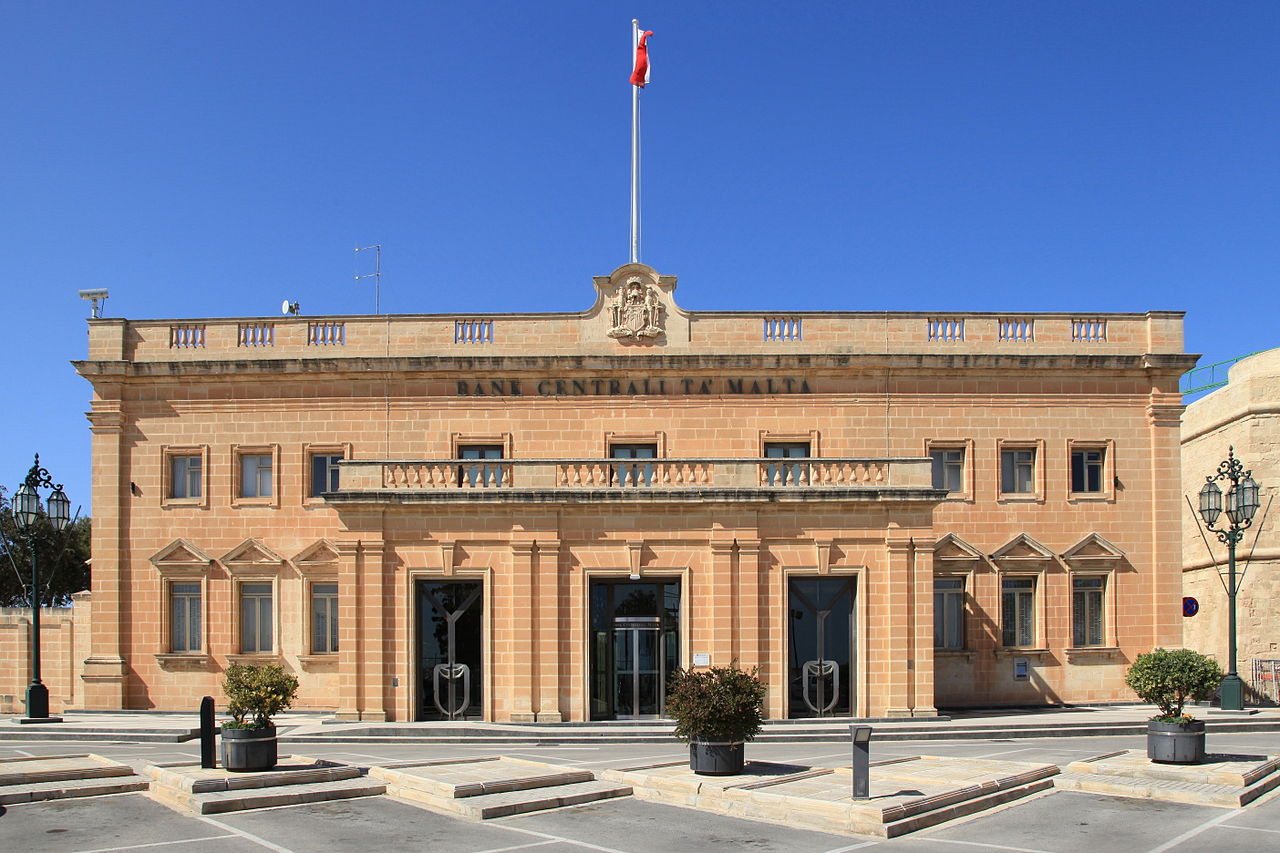
Malta - Valletta - Triq il-Papa Piju V - Central Bank of Malta 03 ies


Defining the Central Bank
A central bank is a sovereign entity that manages a nation's currency, money supply, and interest rates. Unlike commercial banks, which operate for profit and serve individual customers, central banks are typically public or quasi-public institutions with a mandate to ensure macroeconomic stability. Their most distinctive feature is the monopoly on increasing the monetary base – essentially, the power to create money.
This power is wielded through various tools, including setting reserve requirements for commercial banks, conducting open market operations (buying and selling government securities), and adjusting the policy interest rate. Beyond monetary policy, central banks often serve as the lender of last resort, providing liquidity to financial institutions during crises to prevent systemic collapse. They also play a critical regulatory and supervisory role, overseeing commercial banks to ensure their solvency and adherence to regulations, thereby safeguarding the broader financial system from instability, bank runs, and illicit financial activities like money laundering or terrorism financing.
Historical Trajectory
The origins of central banking can be traced back to the 17th century with institutions like the Bank of Sweden (1668) and the Bank of England (1694). Initially, these banks were often established to assist governments with financing public debt and managing fiscal operations. The Bank of England, for example, was founded to raise funds for war.
Over centuries, their functions evolved significantly. The 19th and early 20th centuries saw a shift towards managing national currencies, acting as a banker to banks, and intervening to stabilize financial markets. The Great Depression of the 1930s highlighted the need for more proactive monetary policy and greater central bank independence from political pressures.
Post-World War II, many central banks became key players in managing inflation and unemployment, leading to the development of sophisticated macroeconomic forecasting models and policy frameworks. The establishment of independent central banks, like the European Central Bank (ECB) in 1998, reflects a global trend towards granting these institutions autonomy to pursue price stability without short-term political interference.
The Indispensable Role in Macroeconomic Management
Central banks are pivotal in maintaining a healthy and stable economy. Their primary objective is often price stability, meaning keeping inflation at a low and predictable level. High inflation erodes purchasing power and creates economic uncertainty, while deflation can stifle investment and lead to recession.
By adjusting interest rates and managing the money supply, central banks influence borrowing costs, investment decisions, and consumer spending. They are also crucial for mitigating economic downturns. During recessions, central banks can lower interest rates and inject liquidity into the financial system to stimulate economic activity.
Furthermore, their role in macroeconomic forecasting is indispensable. By analyzing vast amounts of economic data, they can anticipate future trends, identify potential risks, and formulate preemptive policy responses. This forward-looking approach is essential for navigating complex global economic landscapes and preventing crises.
Mechanisms of Control
Central banks employ a range of tools to implement monetary policy and achieve their objectives. The policy interest rate, often referred to as the 'discount rate' or 'federal funds rate,' is a key instrument. By raising this rate, the central bank makes borrowing more expensive, which tends to cool down the economy and curb inflation.
Conversely, lowering the rate encourages borrowing and spending, stimulating economic growth. Open market operations involve the central bank buying or selling government securities. When it buys securities, it injects money into the banking system, increasing liquidity and potentially lowering interest rates.
Selling securities withdraws money, tightening credit conditions. Reserve requirements dictate the minimum amount of reserves commercial banks must hold against deposits. Altering these requirements can significantly impact the amount of money banks can lend.
Central banks also communicate their policy intentions and economic outlook through public statements and reports, a practice known as 'forward guidance,' which aims to shape market expectations and guide economic behavior.
Global Examples and Contemporary Challenges
Prominent central banks include the Federal Reserve (the Fed) in the United States, the European Central Bank (ECB) overseeing the Eurozone, the Bank of England (BoE) in the UK, and the Bank of Japan (BoJ). Each operates within its specific national or regional economic context but faces similar contemporary challenges. These include managing the aftermath of global financial crises, navigating the complexities of globalization, addressing the impact of technological advancements on financial markets, and responding to geopolitical uncertainties.
Debates surrounding central bank independence, the effectiveness of unconventional monetary policies (like quantitative easing), and the appropriate balance between price stability and full employment are ongoing topics of discussion among policymakers, economists, and the public. The credibility and effectiveness of central banks are constantly being tested by evolving economic conditions and societal expectations.
Go deeper
Frequently Asked Questions
What is a central bank and why is it important?+
How does a central bank create money?+
Why do central banks help banks during a crisis?+
When did the first central banks start and why?+
How does a central bank keep prices stable?+
Based on content from Wikipedia · Licensed under CC BY-SA 4.0