

The Arab Spring: When People Wanted Big Changes!
Images
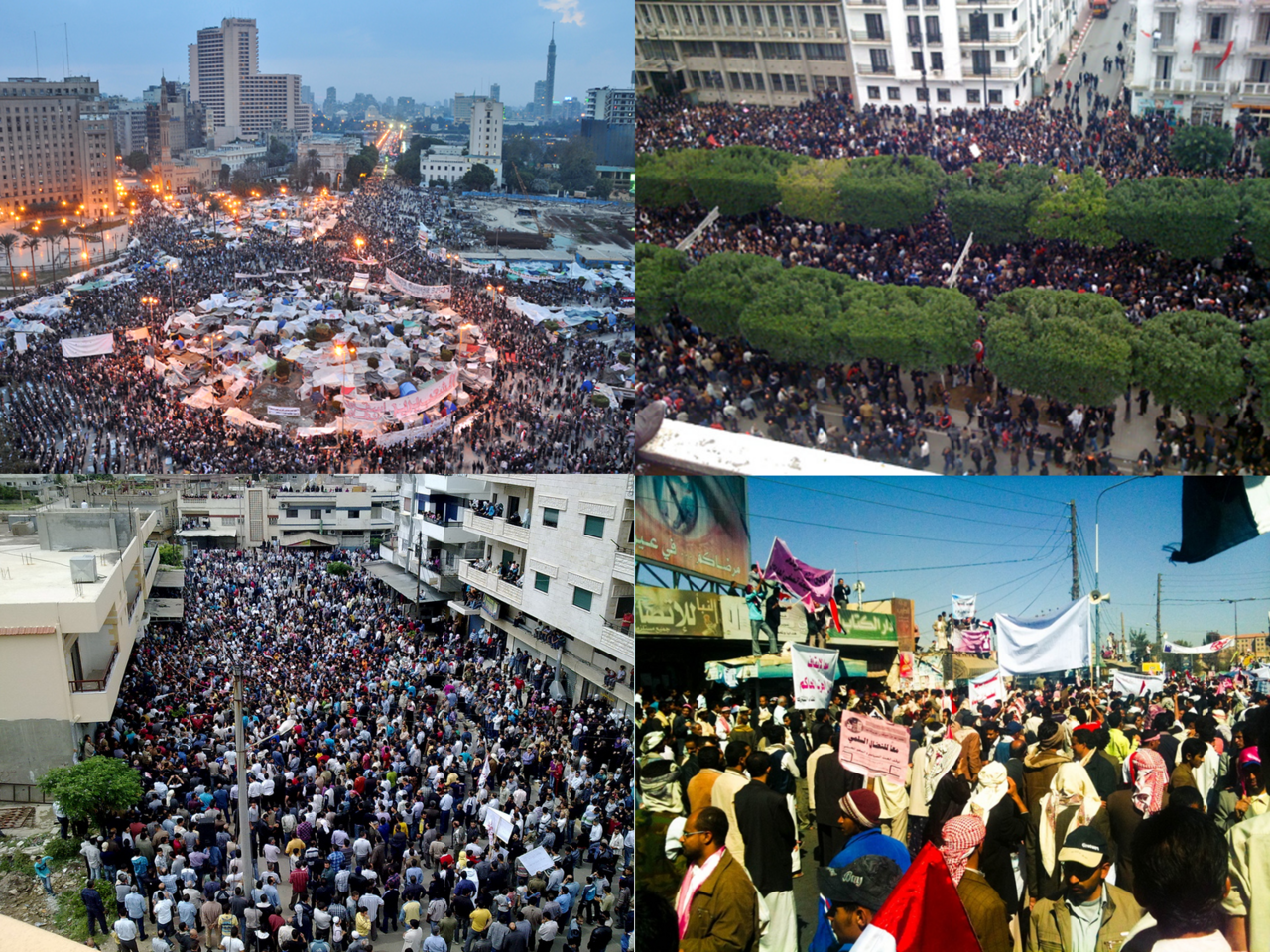
Arab Spring
The Genesis of Regional Discontent
The Arab Spring, a series of pro-democracy uprisings that swept across the Middle East and North Africa beginning in late 2010, was not a sudden eruption but the culmination of decades of simmering discontent. Underlying factors included widespread youth unemployment, rising food prices, pervasive corruption, and a lack of political freedoms under authoritarian regimes that had often been in power for generations. The catalyst was the self-immolation of Mohamed Bouazizi in Tunisia on December 17, 2010, a desperate act against police harassment and economic despair.
This event resonated deeply, igniting protests that rapidly escalated, fueled by a shared sense of injustice and a yearning for dignity and self-determination. The initial success in Tunisia, leading to President Ben Ali's ouster, provided a powerful template and inspiration for movements elsewhere.
Diverse Trajectories
The Arab Spring's trajectory varied dramatically across different nations. In Tunisia, a relatively peaceful transition led to a new democratic constitution, though challenges with governance and the economy persist. Egypt witnessed the fall of Hosni Mubarak after massive protests in Tahrir Square, followed by a period of democratic experimentation, the rise of the Muslim Brotherhood, and subsequent military intervention. Libya descended into a protracted civil war after the uprising against Muammar Gaddafi, leading to state fragmentation and ongoing instability.
Syria's situation proved the most devastating, with protests against Bashar al-Assad's regime devolving into a brutal, multi-faceted civil war involving regional and international powers, resulting in immense human suffering and displacement. Yemen also experienced significant upheaval, leading to a complex conflict and humanitarian crisis. These divergent paths highlight the fragility of democratic transitions and the deep-seated complexities of each nation's political landscape.
The Geopolitical Repercussions and International Response
The Arab Spring sent shockwaves through the international community, forcing a reevaluation of regional stability and foreign policy. Western powers, initially supportive of the uprisings, faced difficult choices regarding intervention, particularly in Libya and Syria, balancing humanitarian concerns with fears of prolonged conflict and unintended consequences. The uprisings also reshaped regional alliances and rivalries, with countries like Saudi Arabia and Iran playing significant roles in supporting or opposing different factions.
The rise of non-state actors and extremist groups, particularly in the vacuum created by state collapse in some areas, presented new security challenges. The events underscored the interconnectedness of global security and the profound impact of popular movements on international relations.
Legacy and Enduring Questions
More than a decade later, the legacy of the Arab Spring remains a subject of intense debate. While the initial wave of optimism has faded in many regions, the uprisings fundamentally altered the political discourse and demonstrated the agency of ordinary citizens. They exposed the vulnerabilities of entrenched authoritarian systems and highlighted the persistent demand for political participation, economic justice, and human rights.
The Arab Spring did not deliver a uniform wave of democracy, but it undeniably ended an era of perceived stability and irrevocably changed the political map of the Middle East and North Africa. It serves as a potent reminder that the quest for freedom and dignity is a powerful, enduring force, even when its immediate outcomes are uncertain and fraught with peril.
Go deeper
Frequently Asked Questions
What was the Arab Spring?+
Why did people protest in the Arab Spring?+
How did the Arab Spring start?+
What happened in Tunisia after the protests?+
Did the Arab Spring change the world?+
Based on content from Wikipedia · Licensed under CC BY-SA 4.0