

Apo Reef: A Colorful Underwater City!
Images
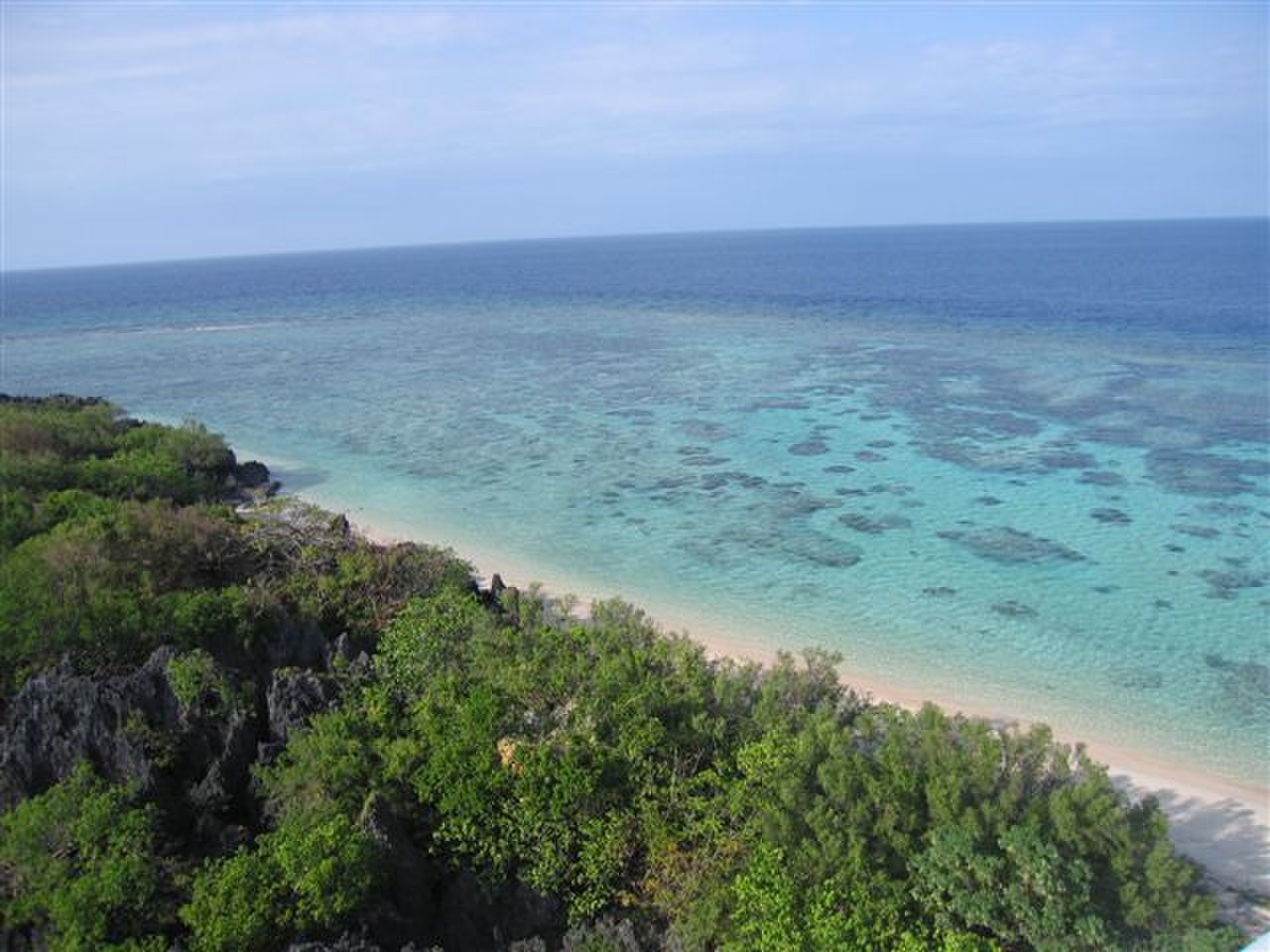
Apo Reef
Geographic Context and Scale of Apo Reef
Situated in the Mindoro Strait, off the coast of Occidental Mindoro province, Apo Reef stands as a monumental natural formation. Spanning an impressive 34 square kilometers, it is not merely the largest coral reef system in the Philippines but also ranks as the second-largest contiguous reef globally. This vastness is crucial; it provides a complex mosaic of habitats, from shallow fringing reefs to deeper drop-offs and sandy bottoms, supporting an unparalleled level of marine biodiversity.
Its scale allows for significant ecological processes to occur, influencing regional oceanographic patterns and serving as a vital link in the marine food web. The reef's location also places it within a biologically rich area of the Coral Triangle, a global center of marine biodiversity.
Ecological Significance and Biodiversity Hotspot
Apo Reef Natural Park (ARNP) is a globally recognized hotspot for marine biodiversity. The intricate structure of the reef provides shelter, feeding grounds, and breeding sites for an estimated 300 to over 400 species of corals and a staggering array of fish, including numerous species of sharks, rays, sea turtles, and countless smaller reef inhabitants. Its waters are a critical migratory pathway and feeding ground for pelagic species.
The health of Apo Reef is intrinsically linked to the health of the wider marine environment, acting as a nursery for commercially important fish species and contributing to the resilience of marine ecosystems against climate change impacts. Its ecological value is so profound that it has been placed on the tentative list for UNESCO World Heritage Sites.
Conservation Challenges and Management Strategies
Despite its protected status as Apo Reef Natural Park, the reef faces significant anthropogenic pressures. These include threats from unsustainable fishing practices, marine pollution from land-based sources, and the potential impacts of climate change, such as coral bleaching and ocean acidification. Effective management of ARNP is paramount.
Strategies involve strict enforcement of fishing regulations, promoting sustainable eco-tourism that minimizes environmental impact, community engagement to foster local stewardship, and ongoing scientific research to monitor reef health and adapt conservation efforts. The delicate balance of this ecosystem requires continuous vigilance and adaptive management to ensure its long-term survival.
Socio-Economic Importance and Future Outlook
Apo Reef holds considerable socio-economic importance, primarily through its role in supporting local fisheries and its growing appeal as a premier diving destination. Eco-tourism generates revenue and employment for coastal communities, providing an economic incentive for conservation. However, balancing tourism development with ecological preservation is a critical challenge.
The future outlook for Apo Reef depends on sustained political will, robust scientific backing for conservation policies, and the active participation of local communities and international bodies. Its potential UNESCO World Heritage status could further elevate its global profile, driving enhanced protection and research efforts, but also necessitating careful management to handle increased visitor numbers.
See also
Frequently Asked Questions
What is Apo Reef and why is it special?+
Where is Apo Reef located?+
Why do scientists want to protect Apo Reef?+
How can people help keep Apo Reef clean?+
What could happen if Apo Reef becomes a UNESCO World Heritage Site?+
Based on content from Wikipedia · Licensed under CC BY-SA 4.0