

Coral Reefs: Underwater Cities of Color!
Images
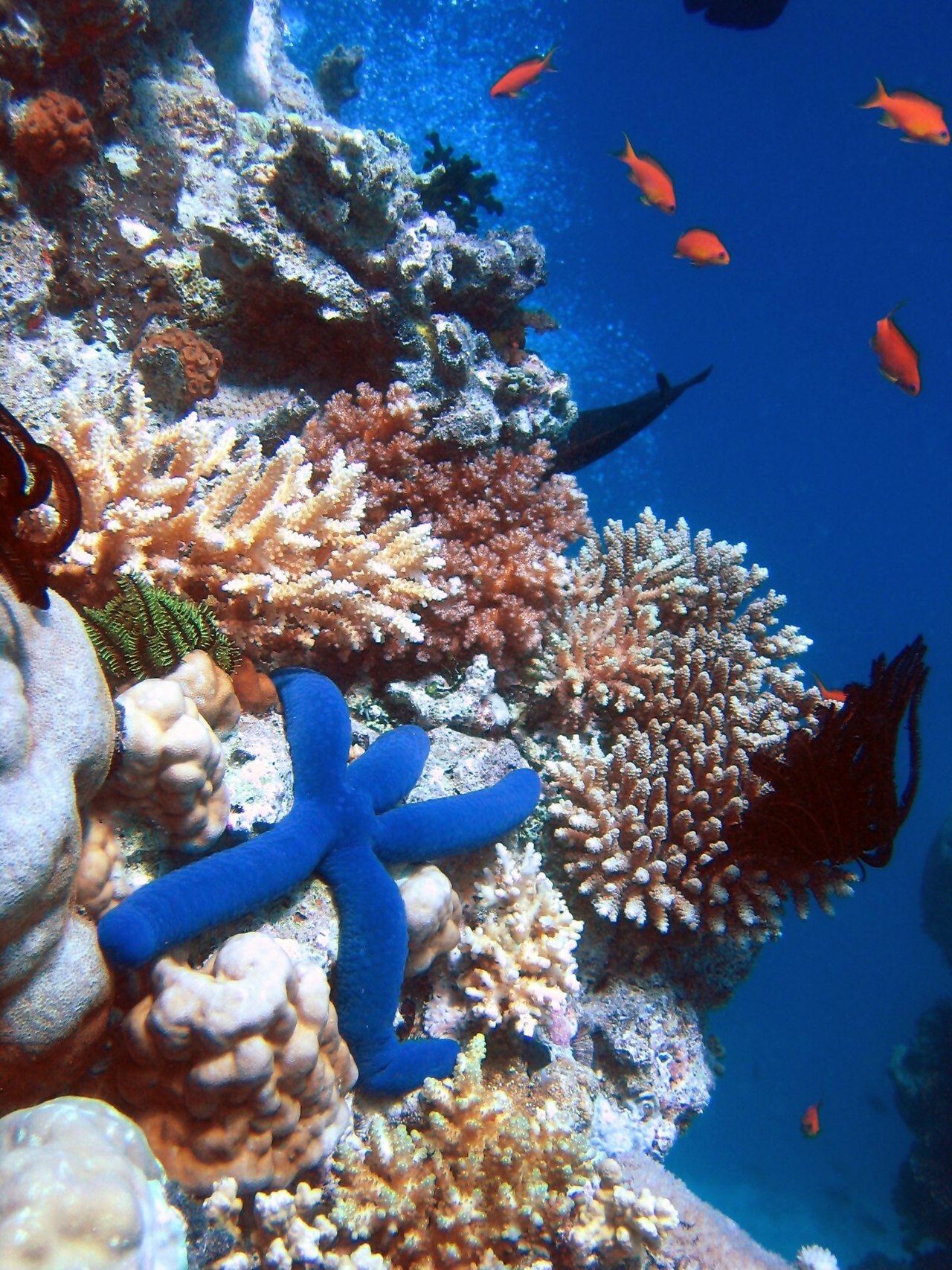
Coral reef
The Biological Foundation
Coral reefs are fundamentally biological constructions, engineered by colonies of tiny marine invertebrates belonging to the class Anthozoa. These organisms, known as coral polyps, are sessile and possess a sac-like body with a mouth surrounded by tentacles. Unlike their free-swimming relatives like jellyfish, corals secrete a hard, protective exoskeleton composed primarily of calcium carbonate.
This skeletal material forms the structural basis of the reef. Most reef-building corals, specifically stony corals (Scleractinia), live in symbiotic relationships with microscopic algae called zooxanthellae, which reside within the coral tissues. These algae perform photosynthesis, providing the coral with essential nutrients and energy, while the coral offers the algae protection and access to sunlight.
This mutualistic partnership is crucial for the rapid growth and vibrant colors characteristic of healthy reefs, and it dictates the optimal environmental conditions for reef formation: warm (20-28°C), clear, shallow, and well-oxygenated waters with moderate wave action to facilitate nutrient exchange and prevent sedimentation.
Geological History and Evolutionary Significance
The emergence of coral reefs marks a significant chapter in Earth's geological and biological history. The earliest known coral reefs appeared approximately 485 million years ago, during the Early Ordovician period. This period saw a dramatic shift in marine ecosystems, with coral reefs gradually displacing earlier microbial and sponge-dominated reef structures that characterized the Cambrian period.
This transition highlights a major evolutionary innovation in ecosystem engineering. Over hundreds of millions of years, corals have evolved diverse forms and strategies, adapting to changing ocean conditions and contributing to the complex tapestry of marine life. The fossil record of reefs provides invaluable insights into past ocean environments, sea levels, and climate conditions, serving as natural archives of Earth's history.
Ecological Powerhouses
Coral reefs are renowned as Earth's most biodiverse marine ecosystems, often referred to as the 'rainforests of the sea.' Despite occupying less than 0.1% of the global ocean floor, an area comparable to half the size of France, they harbor an extraordinary proportion of marine life, estimated to support at least 25% of all known ocean species. This includes a vast array of fish, mollusks, crustaceans, echinoderms, sponges, tunicates, and other cnidarians. This immense biodiversity is not only intrinsically valuable but also underpins critical ecosystem services.
Reefs act as natural breakwaters, dissipating wave energy and protecting coastlines from erosion and storm damage. They are vital nurseries and habitats for commercially important fish species, supporting global fisheries that feed millions and provide livelihoods. Furthermore, their aesthetic beauty drives significant tourism revenue, contributing billions of dollars annually to economies worldwide.
Contemporary Threats and the Imperative for Conservation
Despite their immense ecological and economic value, coral reefs are facing unprecedented threats, leading to a dramatic decline in their health and extent since the mid-20th century. Shallow tropical reefs have seen reductions of over 50% since 1950. These ecosystems are highly sensitive to environmental changes.
Key threats include rising ocean temperatures causing coral bleaching (the expulsion of symbiotic algae), ocean acidification due to increased atmospheric CO2 absorption, which hinders skeletal growth, and pollution from excess nutrients (nitrogen and phosphorus) leading to algal blooms that smother corals. Destructive fishing practices such as blast fishing and cyanide fishing decimate reef structures and fish populations. Overfishing disrupts ecological balance, and even sunscreen chemicals can harm corals.
Addressing these multifaceted threats requires urgent global action, including significant reductions in greenhouse gas emissions, improved water quality management, sustainable fishing practices, and robust conservation efforts to protect and restore these invaluable marine ecosystems.
Go deeper
Based on content from Wikipedia · Licensed under CC BY-SA 4.0