

Anne Boleyn
Images

Catherine Carey, daughter of Mary Boleyn, niece of Anne Boleyn, possible daughter of Henry VIII


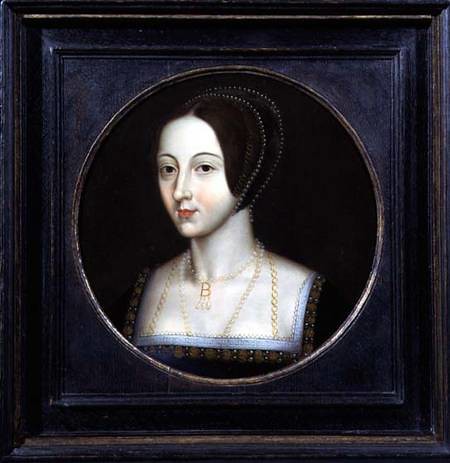




The Allure and Ambition of a Renaissance Woman
Anne Boleyn emerged as a formidable figure in the Tudor court, a stark contrast to the submissive queens of earlier eras. Her sophisticated education in continental Europe, particularly in the Netherlands and France, imbued her with a worldly perspective and a sharp intellect. Upon her return to England around 1522, she quickly captivated the attention of King Henry VIII.
Unlike many women of her time, Anne refused to become Henry's mistress, a strategic decision that elevated her status and intensified his desire. She understood the power of her position and leveraged it to secure a marriage proposal, a move that would have profound implications. Her refusal was not merely personal; it was a calculated stance that challenged the established norms of royal courtship and power dynamics, setting her apart from her predecessors and contemporaries.
The King's Great Matter
Henry VIII's fixation on Anne Boleyn became inextricably linked to his desire for a male heir and his dissatisfaction with his marriage to Catherine of Aragon, who had failed to produce a surviving son. This personal quest, known as 'The King's Great Matter,' escalated into a national crisis. When Pope Clement VII refused to grant Henry an annulment, the King, guided by advisors like Thomas Cromwell, embarked on a radical path: severing England's ties with the Roman Catholic Church.
This monumental decision involved dismantling papal authority, suppressing monasteries, and establishing the monarch as the Supreme Head of the Church of England. The Act of Supremacy in 1534 formalized this break, fundamentally reshaping England's religious and political landscape. Anne's marriage to Henry in January 1533, following a secret ceremony in late 1532, was the direct catalyst for this seismic shift.
The Brief Reign
Anne's coronation as Queen on June 1, 1533, marked the apex of her influence. However, her reign was overshadowed by the persistent need for a male heir. The birth of her daughter, Elizabeth, in September 1533, while a significant event, did not fulfill Henry's dynastic hopes.
Subsequent miscarriages further eroded the King's affection and fueled his search for alternatives. By early 1536, Henry had begun a courtship with Jane Seymour, signaling a dramatic shift in his favour. The political climate, once supportive of Anne, began to turn against her.
Her perceived inability to secure the succession, combined with growing courtly intrigue and potential political rivalries, created a precarious situation for the Queen. The King's desire for a new wife and a male heir became paramount, eclipsing any lingering affection for Anne.
Accusations, Execution, and Enduring Influence
The final act of Anne Boleyn's life was swift and brutal. In April 1536, Henry VIII initiated an investigation into charges of high treason against her. The accusations, which included adultery, incest with her brother George, and plotting the King's death, are widely considered by historians to be unsubstantiated and politically motivated. Anne was arrested and imprisoned in the Tower of London, where she faced a jury that included individuals with personal connections to her, such as her former betrothed, Henry Percy.
Convicted on May 15, 1536, she was beheaded four days later. Despite her tragic end, Anne Boleyn's legacy is profound. She was the driving force behind the English Reformation, a pivotal moment in Western history.
Furthermore, her daughter, Elizabeth I, would go on to become one of England's most iconic and successful monarchs, ensuring Anne's enduring place in the annals of power and influence.
Echoes Through Time
Following her execution, Anne Boleyn's narrative evolved. Initially condemned, she was later re-evaluated, particularly after her daughter Elizabeth ascended to the throne in 1558. Works by writers like George Wyatt began to portray her as a martyr and a heroine of the English Reformation, a figure who sacrificed herself for a greater cause.
This reinterpretation cemented her place in popular imagination. Anne's story has inspired countless books, plays, films, and television series, demonstrating her enduring appeal. She is often cited as one of the most influential queens consort England has ever known, not just for her personal drama, but for the profound and lasting impact she had on the religious, political, and dynastic trajectory of England.
Her life serves as a compelling case study in power, ambition, and the consequences of challenging established order.
Go deeper
Frequently Asked Questions
Who was Anne Boleyn?+
Why did Anne Boleyn refuse to be King Henry VIII's mistress?+
How did Anne Boleyn help change England's religion?+
Why was Anne Boleyn arrested and executed?+
What happened when Anne Boleyn's daughter Elizabeth was born?+
Based on content from Wikipedia · Licensed under CC BY-SA 4.0