

Tower
Images
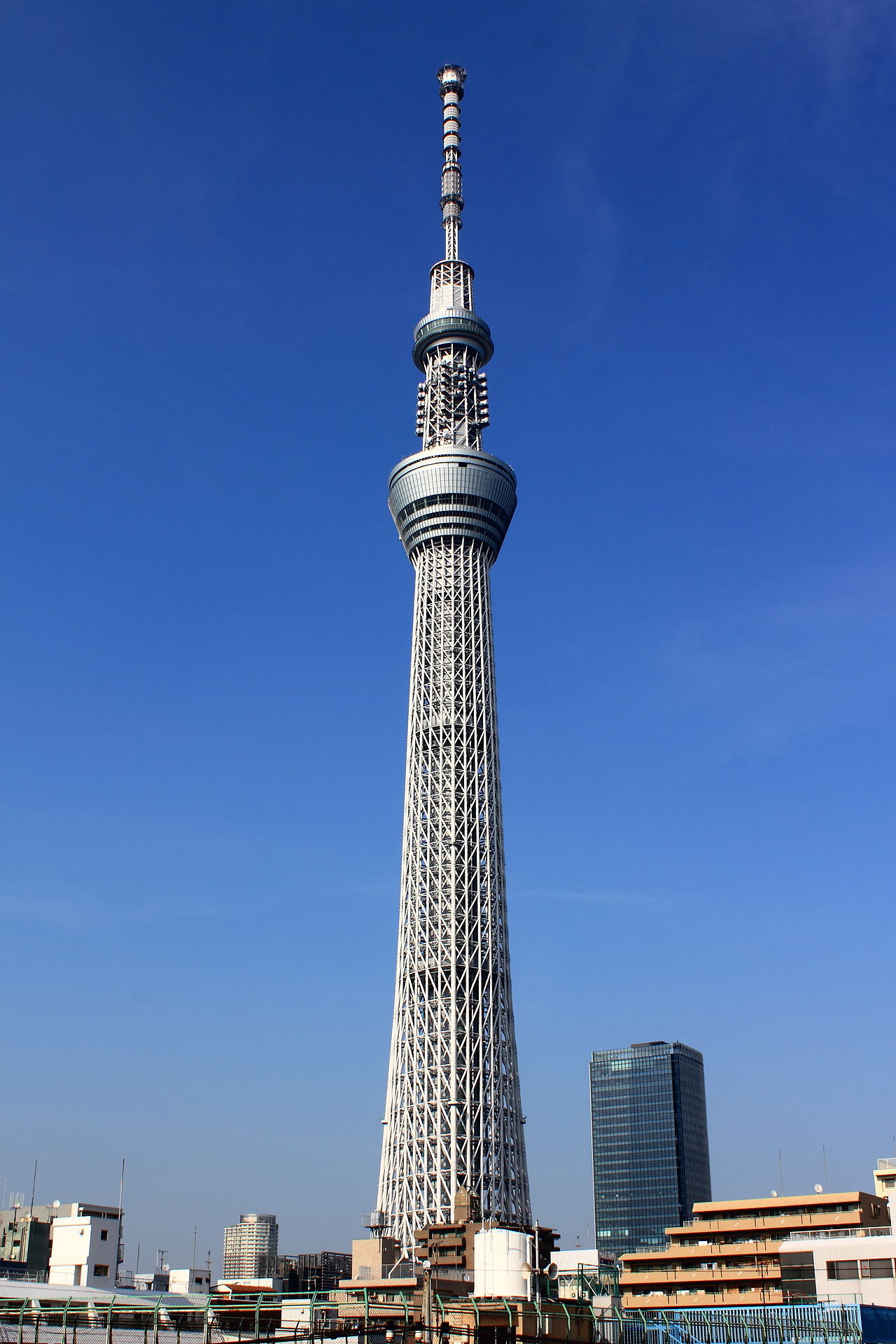
Tower
The Evolving Typology of Towers
Towers, as a distinct architectural typology, represent humanity's enduring aspiration to build vertically. Historically, their forms were dictated by function and available materials. Early towers, such as Mesopotamian ziggurats and ancient watchtowers, were primarily utilitarian, serving religious, defensive, or signaling purposes.
The development of masonry and later steel construction allowed for unprecedented heights. Medieval church spires, for instance, were not only spiritual markers but also engineering challenges, pushing the limits of stone construction. The industrial revolution catalyzed the creation of iron towers like the Eiffel Tower, showcasing new materials and structural possibilities.
Today, the skyscraper is the dominant form of tower, characterized by its height, multi-story occupancy, and often its role as a symbol of corporate or civic prestige. The design of modern towers involves complex considerations of structural integrity, wind loads, seismic activity, and occupant safety, often employing advanced materials and computational modeling.
Historical Trajectories and Cultural Significance
The construction of towers has consistently been intertwined with power, progress, and cultural identity. Ancient civilizations erected towers as monumental expressions of their beliefs and rulers' authority, with structures like the pyramids serving as eternal resting places and testaments to organizational capacity. In medieval Europe, bell towers and spires became central to urban landscapes, dictating the rhythm of daily life through their chimes and serving as focal points for communities.
The Renaissance and Baroque periods saw towers integrated into palaces and civic buildings, further solidifying their association with status. The modern era has transformed towers into icons of global cities, with landmarks like the Empire State Building and the Burj Khalifa representing economic prowess and technological achievement. Their silhouettes define skylines and attract global attention, serving as powerful symbols of modernity and ambition.
Functional Imperatives in the Modern World
Beyond their aesthetic and symbolic value, towers fulfill critical functional roles in contemporary society. Communication towers are indispensable infrastructure, hosting antennas for broadcasting, telecommunications, and mobile networks, forming the backbone of our interconnected world. Observation towers provide panoramic vistas, crucial for tourism and urban planning. Lighthouses, though perhaps less critical with GPS, remain vital navigational aids for maritime safety.
Furthermore, towers are integral to energy infrastructure; wind turbines, essentially tall towers with aerodynamic blades, harness renewable energy, while water towers ensure reliable water supply to communities. The structural engineering behind these diverse functions is complex, requiring precise calculations to ensure stability and longevity under various environmental stresses. The continued development of tower construction reflects ongoing innovation in materials science and engineering techniques.
The Future of Verticality
The future of tower construction is likely to involve even greater heights, more sustainable designs, and innovative uses. Architects and engineers are exploring advanced materials like self-healing concrete and high-strength composites to build taller and more efficiently. The concept of 'vertical cities' is gaining traction, with supertall towers designed to be self-sufficient ecosystems, incorporating residential, commercial, and recreational spaces. Sustainability will be a key driver, with towers incorporating features like green facades, rainwater harvesting, and integrated renewable energy systems to minimize their environmental footprint.
Furthermore, the integration of smart technologies will enhance occupant experience and building management. As urban populations continue to grow, towers will remain a crucial element in addressing housing needs and optimizing land use, pushing the boundaries of what is architecturally and technologically possible.
Go deeper
Frequently Asked Questions
What is a tower?+
Why do people build towers?+
How do modern towers stay strong?+
Where can I see a tower that helps with communication?+
Are there towers that help the environment?+
Based on content from Wikipedia · Licensed under CC BY-SA 4.0