

Acrobatics: The Amazing Art of Body Tricks!
Images
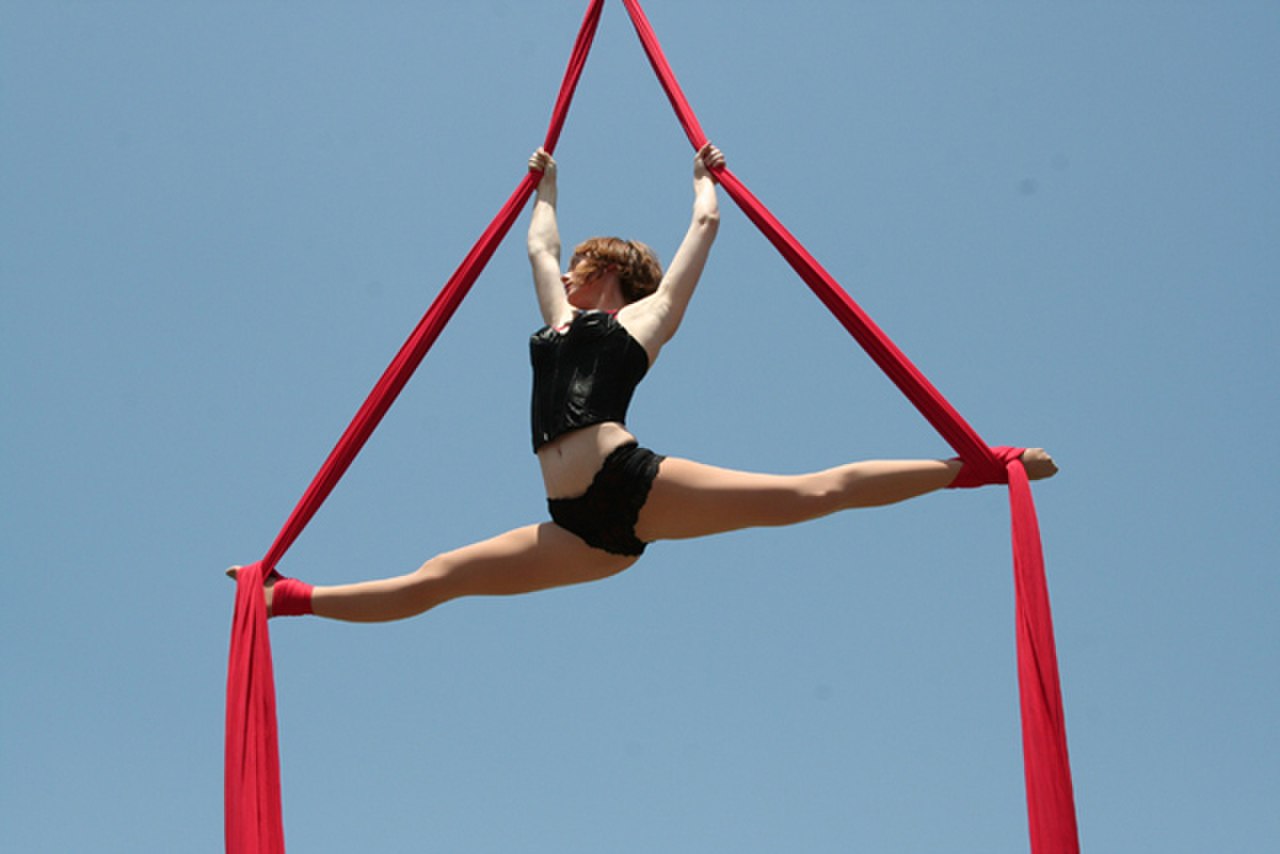
Acrobatics


Defining the Spectrum of Acrobatic Performance
Acrobatics, at its core, is the practice of extraordinary physical feats that emphasize agility, balance, coordination, grace, and strength. It transcends simple athleticism by integrating artistic expression, aiming to captivate and entertain an audience. The discipline encompasses a vast array of movements, from static holds and intricate balances to dynamic tumbling passes, aerial rotations, and contortionist acts.
Unlike competitive sports with defined scoring systems, the success of an acrobatic performance is often measured by its ability to evoke wonder, convey emotion, and achieve a seamless execution that appears effortless. It requires a profound understanding of biomechanics and an exceptional level of kinesthetic awareness, allowing performers to manipulate their bodies with precision and control.
Chronicles of Acrobatic Evolution
The lineage of acrobatics is deeply embedded in human history, with early evidence appearing in ancient Egyptian tomb paintings depicting performers engaged in balancing and tumbling acts, dating back over 4,000 years. Ancient Greek and Roman societies also celebrated acrobatic displays, often incorporating them into public festivals and theatrical performances. The art form saw significant development during the Middle Ages and Renaissance, gradually evolving into the spectacular circus acts that gained immense popularity from the 18th century onwards.
The establishment of formal circus troupes allowed for specialization and refinement of techniques, leading to the development of distinct acrobatic disciplines such as aerial acrobatics, hand-balancing, and group acrobatics, which continue to influence contemporary performance.
The Physiology and Psychology of Acrobatic Mastery
Achieving mastery in acrobatics necessitates an extraordinary interplay of physical conditioning and mental fortitude. Physiologically, performers develop exceptional muscular strength, particularly in the core, upper body, and legs, crucial for generating power and maintaining stability. Extreme flexibility, often achieved through years of dedicated stretching and training, allows for the execution of complex contortions and expansive movements. Proprioception, the body's innate ability to sense its position and movement in space, is honed to an exceptional degree, enabling precise adjustments and rapid reactions.
Psychologically, acrobatics demands immense discipline, focus, and resilience. Performers must cultivate a high tolerance for risk, manage fear, and maintain unwavering concentration to execute demanding routines safely and effectively. The process also fosters problem-solving skills as they adapt to new movements and overcome physical limitations.
Contemporary Manifestations and Interdisciplinary Connections
Today, acrobatics is a dynamic and pervasive element across numerous performance and athletic domains. It forms the bedrock of modern circus arts, exemplified by companies like Cirque du Soleil, which fuse traditional acrobatics with theatrical storytelling and innovative staging. In gymnastics, both artistic and rhythmic, acrobatic elements are integral to routines, showcasing power, flexibility, and aerial skill.
Contemporary dance and breakdancing frequently incorporate acrobatic vocabulary to enhance dynamism and visual impact. Furthermore, the skills developed through acrobatics are essential for stunt performers in film and television, enabling them to execute dangerous sequences safely. Cheerleading squads utilize complex acrobatic pyramids and tosses, demonstrating teamwork and aerial prowess, while parkour and freerunning draw upon similar principles of dynamic movement and body control.
The Enduring Significance and Future Trajectory
The enduring significance of acrobatics lies in its ability to push the perceived limits of human physical capability while simultaneously offering profound artistic expression. It serves as a powerful medium for storytelling, conveying a wide range of emotions from joy and exhilaration to tension and vulnerability. As technology advances, new possibilities emerge for integrating acrobatics with digital media and innovative stagecraft, potentially creating even more immersive and breathtaking performances.
The discipline also continues to inspire cross-disciplinary innovation, influencing fields from physical therapy and sports science to robotics and virtual reality, by providing insights into optimal human movement and control. The future of acrobatics promises continued evolution, exploring new forms of expression and further challenging our understanding of what the human body can achieve.
Go deeper
Frequently Asked Questions
What is acrobatics?+
Why do acrobats need strong muscles?+
How did acrobatics start in history?+
Where can we see acrobatics today?+
How do acrobats stay safe while doing risky moves?+
Based on content from Wikipedia · Licensed under CC BY-SA 4.0