

Circus Fun!
Images
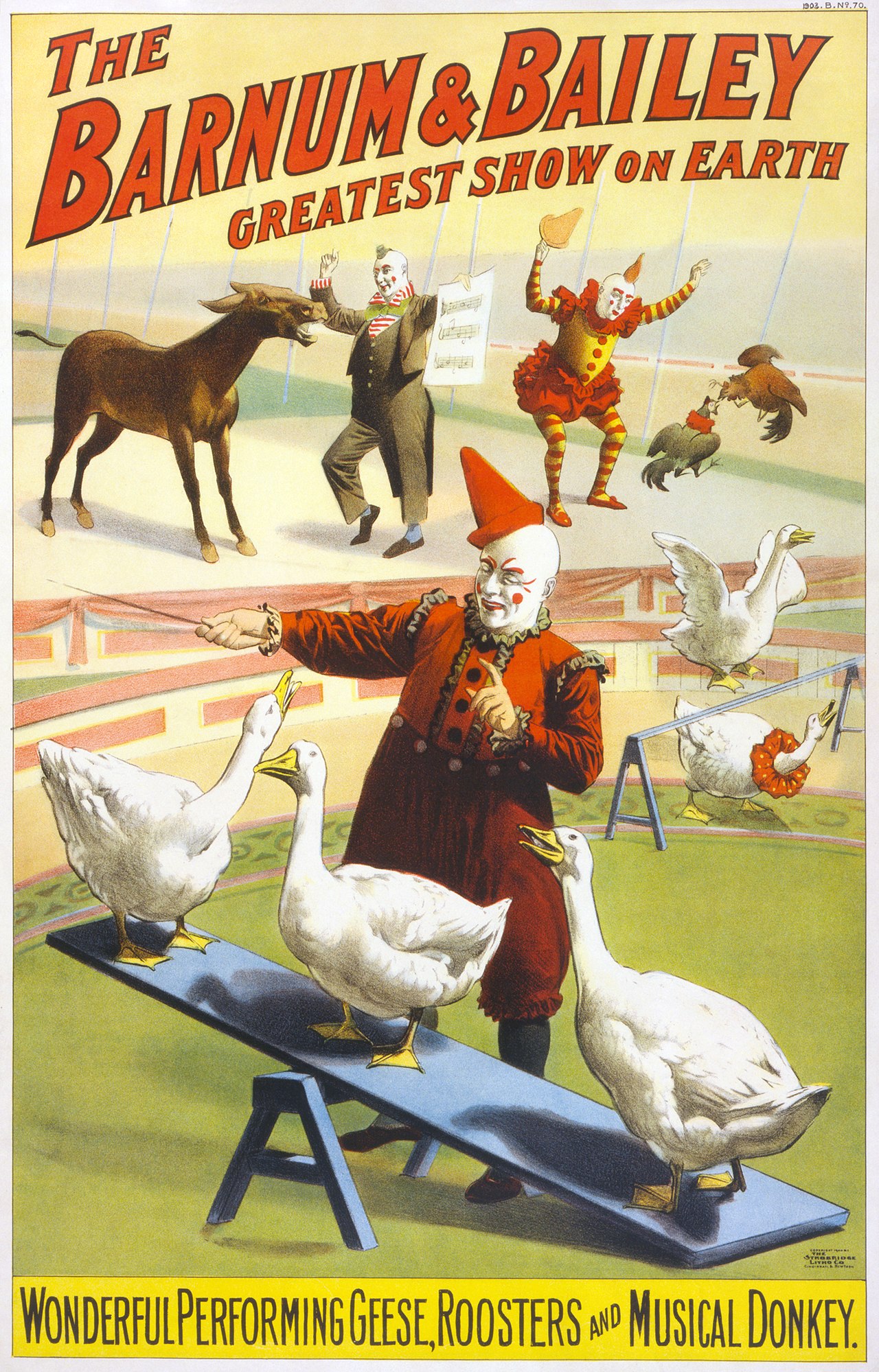
Circus
A Historical Trajectory
The concept of the circus has a lineage that predates its modern form by millennia. Ancient Rome's Circus Maximus, a vast amphitheater, was a hub for public entertainment, primarily featuring thrilling chariot races and gladiatorial combat. While these events shared the 'circus' name and a circular performance space, they differed significantly in nature from the contemporary circus. The genesis of the modern circus is largely attributed to Philip Astley in London around 1768.
Astley, a former cavalry officer, discovered that by riding his horse in a circle at speed, the resulting centrifugal force allowed him to perform feats of balance. He began to add other performers, such as acrobats and jugglers, to entertain the crowds between his equestrian displays. This formula, centered around a circular ring and a variety of acts, proved immensely popular and began to spread across Europe and eventually the Americas.
Over the 19th and 20th centuries, the circus evolved, incorporating new acts, elaborate costumes, and the iconic 'big top' tent, solidifying its place as a distinct and influential form of popular entertainment.
The Artistry of the Impossible
Circus arts represent a sophisticated blend of athleticism, artistry, and daring. Acrobatic disciplines, including tumbling, contortion, and hand-balancing, demand exceptional strength, flexibility, and body control, often pushing the limits of human physiology. Aerial arts, such as trapeze, silks, and lyra, require immense upper body strength, spatial awareness, and a profound understanding of momentum and gravity. Juggling and object manipulation showcase incredible dexterity, hand-eye coordination, and rhythmic precision. Equestrianism, a foundational element, involves a deep partnership between horse and rider, demonstrating control and grace.
These disciplines are not merely displays of physical prowess; they are carefully choreographed performances that evoke emotion, tell stories, and create moments of awe. The training involved is rigorous and often begins at a young age, requiring years of dedication to master these complex skills.
Cultural Resonance and Enduring Appeal of the Traveling Spectacle
The circus has historically served as a powerful cultural phenomenon, offering a unique form of escapism and shared communal experience. For centuries, traveling circuses brought entertainment to towns and cities, acting as a vibrant social gathering point. The spectacle of the circus provided a temporary departure from the mundane realities of daily life, offering a world of fantasy, wonder, and excitement.
Its appeal lies in its ability to showcase extraordinary human achievement and the thrill of the seemingly impossible. In an era before widespread mass media, the circus was a primary source of visual and performative entertainment for vast populations. While the nature of entertainment has diversified, the circus continues to resonate by offering a live, immersive, and visceral experience that engages audiences on multiple sensory levels, celebrating human potential and the spirit of adventure.
The Evolution and Diversification of Circus Performance
The circus has not remained static; it has continuously adapted and evolved. The late 20th century saw the rise of 'new circus' or 'contemporary circus,' exemplified by companies like Cirque du Soleil. This movement often de-emphasizes traditional animal acts and ringmasters, focusing instead on narrative, theatricality, and a more artistic, often avant-garde, presentation of human skills.
These contemporary circuses integrate elements of dance, theatre, and music to create elaborate, thematic productions. This diversification reflects changing societal attitudes towards animal welfare and a growing appreciation for the circus as a legitimate art form. While traditional circuses still exist, the contemporary circus has broadened the genre's scope, attracting new audiences and pushing the boundaries of what circus performance can be.
The Role of the Ringmaster and the Spectacle's Architecture
The ringmaster, a figure of authority and charisma, has historically been central to the traditional circus narrative. Clad in distinctive attire, they act as the master of ceremonies, guiding the audience through the program, building anticipation, and maintaining the show's momentum. Their pronouncements and introductions frame the individual acts, creating a cohesive story and a sense of grand occasion.
Beyond the performers, the circus itself possesses a unique architectural and logistical architecture. The 'big top,' a temporary, often elaborately constructed tent, creates an intimate yet grand performance space. The logistics of transporting, setting up, and dismantling this entire operation, along with its performers and animals, represent a significant feat of organization and engineering, underscoring the complex machinery behind the seemingly effortless spectacle.
Go deeper
Frequently Asked Questions
What is a circus and why do people love it?+
Who started the modern circus and when?+
How do acrobats stay balanced on the trapeze?+
Why do circuses have a big top tent?+
What is a new circus?+
Based on content from Wikipedia · Licensed under CC BY-SA 4.0