

1980 Summer Olympics
Images

1980 Summer Olympics bronze medal Transparent




Moscow 1980
The 1980 Summer Olympics, officially designated as the Games of the XXII Olympiad, represented a significant moment in Olympic history, marking the first time the Games were hosted by a nation within the Eastern Bloc and a Slavic-speaking country. Moscow's selection as host city was a symbolic victory for the Soviet Union, showcasing its growing influence and capability to organize a global event of this magnitude.
This was also the only Summer Olympics held in a self-proclaimed communist country until Beijing in 2008. The event aimed to project an image of international cooperation and athletic prowess, but its context was deeply intertwined with the geopolitical tensions of the Cold War era, particularly the ongoing Soviet-Afghan War.
The Great Boycott
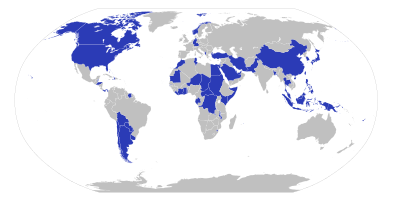
The most defining characteristic of the 1980 Moscow Olympics was the widespread boycott, led by the United States. Citing the Soviet Union's invasion of Afghanistan in December 1979, the U.S. and approximately 65 other nations refused to participate. This decision significantly diminished the competitive field in many sports, impacting the universality and prestige of the Games.
The boycott was a direct manifestation of the heightened Cold War animosity, turning the Olympics into a political battleground. While many nations fully boycotted, some athletes from these countries were permitted to compete under the Olympic flag, a compromise that highlighted the internal divisions and the difficult choices faced by athletes and sporting organizations.
Dominance and Resilience
Despite the reduced number of participating nations, the athletes who competed in Moscow delivered exceptional performances. The Soviet Union, as the host nation, achieved remarkable success, topping the medal table by a significant margin. Alongside East Germany, they collectively secured an overwhelming majority of the gold medals, winning 127 out of the 203 available.
This dominance underscored the strength of their state-sponsored athletic programs. However, the narrative of the Games was inevitably shaped by the absence of many top athletes from boycotting nations, leading to discussions about the true measure of athletic achievement in such a compromised environment.
A Legacy of Political Influence and Shifting Tides
The 1980 Moscow Olympics served as the final Olympic Games presided over by Lord Killanin, marking the end of his tenure before Juan Antonio Samaranch took the helm. Samaranch's leadership would usher in a new era for the IOC, characterized by increased commercialization and a more inclusive approach to participation. Furthermore, the political fallout from the 1980 boycott had lasting repercussions.
The Soviet Union's subsequent decision to boycott the 1984 Los Angeles Olympics was a direct act of retaliation, demonstrating the cyclical nature of political interference in international sport and the enduring impact of the Cold War on global athletic events.
See also
Frequently Asked Questions
What was special about the 1980 Summer Olympics?+
Why did many countries not attend the 1980 Olympics?+
Who won the most medals at the 1980 Olympics?+
What happened to athletes from boycotting countries?+
What was the impact of the 1980 boycott on later Olympics?+
Based on content from Wikipedia · Licensed under CC BY-SA 4.0