

Boycott
Images

Think Local: boycott Tesco


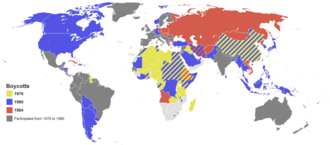
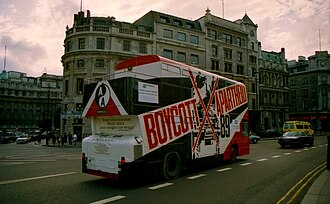


Defining the Boycott
A boycott is fundamentally an act of organized, nonviolent resistance, characterized by the voluntary abstention from engaging with a particular entity-be it a product, service, organization, or nation. This abstention is not arbitrary; it is a deliberate tactic employed to express moral, social, political, or environmental disapproval. The core objective is to exert pressure, typically through economic means, by denying the target revenue or support, thereby compelling a modification of objectionable practices.
It serves as a potent signal of collective outrage and a strategic tool to influence decision-making. While often associated with consumer choices, boycotts can also extend to social interactions, labor actions, or even diplomatic relations, demonstrating their versatility as a protest mechanism. The success of a boycott hinges on widespread participation and a clear, achievable objective, aiming to inflict tangible consequences on the target.
The Genesis of the Term
The term 'boycott' entered the lexicon through a specific historical event in 1880, rooted in the complex socio-political landscape of Ireland. Captain Charles Boycott, serving as an agent for an absentee landlord in County Mayo, became the target of a novel protest strategy. Advocated by Irish nationalist leader Charles Stewart Parnell and the Irish Land League, the tactic involved complete social and economic ostracism.
Villagers refused to work for Boycott, supply his needs, or even speak to him. This extreme isolation proved devastatingly effective, forcing Boycott to leave his post and ultimately leading to his name becoming synonymous with this form of protest. This incident highlighted the power of collective action and nonviolent coercion in challenging established authority and advocating for local grievances.
The Strategic Significance and Efficacy of Boycotts
Boycotts represent a significant form of consumer activism, often referred to as 'moral purchasing.' Their strategic importance lies in their ability to empower individuals and groups by leveraging collective economic power. By withdrawing patronage, boycotters aim to disrupt the target's financial stability and reputation, forcing a reassessment of their policies or actions. The efficacy of a boycott is influenced by several factors: the clarity and moral weight of the grievance, the level of public awareness and support, the economic vulnerability of the target, and the duration of the campaign.
While some boycotts achieve their objectives, leading to significant policy changes or corporate reforms, others may have limited impact if participation wanes or the target is economically resilient. The threat of a boycott can sometimes be as powerful as its execution, prompting preemptive changes in behavior.
Mechanisms of Mobilization and Modern Applications
In contemporary society, the organization and dissemination of boycotts have been dramatically amplified by digital technologies. Social media platforms enable rapid mobilization, allowing campaigns to gain global traction almost instantaneously. Hashtags can rally support, share information about the target's alleged transgressions, and coordinate actions.
This digital age has seen boycotts applied to a vast array of issues, from corporate labor practices and environmental destruction to political policies and social injustices. For instance, boycotts have been used to protest against companies involved in deforestation, those with discriminatory hiring practices, or even governments engaging in human rights violations. While the digital realm facilitates reach, the core principle remains the same: collective withdrawal of support to effect change.
It's crucial to distinguish boycotts from government-imposed sanctions, which are legally mandated restrictions rather than voluntary acts of protest.
Broader Implications and Related Forms of Resistance
Boycotts are part of a larger spectrum of nonviolent resistance strategies. They share common ground with other forms of civil disobedience and consumer activism, aiming to achieve social or political change through peaceful means. Related concepts include divestment campaigns, where institutions sell off holdings in companies with objectionable practices, and ethical consumerism, which involves making purchasing decisions based on moral or environmental considerations.
While boycotts focus on abstention, related actions might involve actively supporting alternative businesses or advocating for legislative changes. The success of a boycott can inspire further activism and contribute to a broader cultural shift in awareness and accountability. However, it is also important to acknowledge that the effectiveness of boycotts can be debated, and they are not always the most direct or impactful method for achieving specific goals, sometimes being overshadowed by legislative action or direct negotiation.
Go deeper
Based on content from Wikipedia · Licensed under CC BY-SA 4.0