

1861: A Year of Big Changes!
Images

Naval jack of the United States (1861–1863)


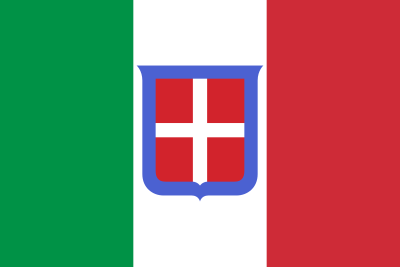


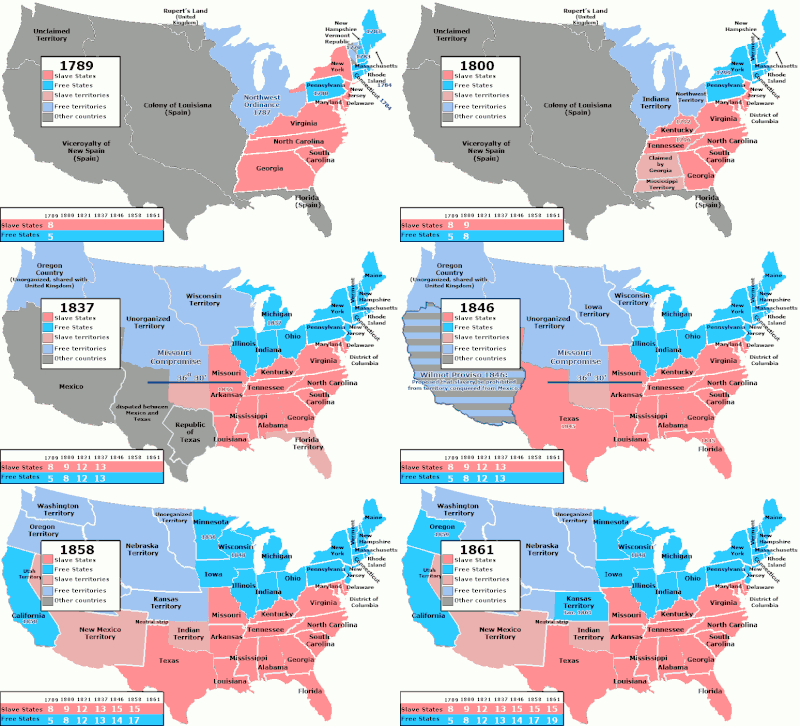

The Geopolitical Tectonic Plates of 1861
The year 1861 stands as a critical juncture in 19th-century global history, marked by events that fundamentally reshaped continents and redefined populations. It was a year where long-simmering political and social pressures reached boiling points, leading to dramatic and often violent transformations. In North America, the United States fractured, initiating a conflict that would test the very foundations of republican governance and human liberty.
Simultaneously, in Europe, the long-sought dream of a unified Italy was finally realized, altering the balance of power on the continent. Furthermore, the vast Russian Empire underwent a radical social restructuring with the abolition of serfdom, a move with profound and complex long-term consequences. These concurrent, monumental shifts underscore 1861's status as a year of profound geopolitical realignments, setting the stage for subsequent global developments and ideologies.
The American Crucible
The year 1861 witnessed the catastrophic unraveling of the United States, culminating in the outbreak of the American Civil War. The election of Abraham Lincoln in 1860, perceived as a threat to the institution of slavery by Southern states, triggered a wave of secession. By early 1861, eleven Southern states had declared their withdrawal from the Union, forming the Confederate States of America.
The conflict officially began on April 12, 1861, with the Confederate attack on Fort Sumter. This war was not merely a regional dispute; it was a profound ideological struggle over states' rights, federal authority, and, most critically, the future of slavery in America. The ensuing four years of brutal warfare would result in unprecedented casualties, devastate the Southern economy, and ultimately lead to the abolition of slavery through the 13th Amendment, forever altering the nation's social and political fabric.
Reshaping Europe
While the United States grappled with internal conflict, Europe experienced transformative moments of consolidation and liberation in 1861. The Risorgimento, the movement for Italian unification, reached its zenith with the proclamation of the Kingdom of Italy on March 17, 1861. This marked the culmination of decades of political maneuvering, warfare, and popular uprisings, bringing together disparate states under a single monarch.
The newly formed Italy would go on to play a significant role in European affairs. In parallel, the Russian Empire embarked on a monumental social reform with the Emancipation Reform of 1861. Tsar Alexander II's decree abolished serfdom, freeing an estimated 23 million people from a system of bondage that had defined Russian society for centuries.
While intended to modernize Russia and prevent social unrest, the reform's implementation was complex, leading to new economic and social challenges for the freed serfs and contributing to future revolutionary movements.
The Enduring Legacy
The seismic events of 1861 cast long shadows that continue to influence the contemporary world. The American Civil War's resolution fundamentally redefined the United States, solidifying federal power and initiating a protracted struggle for racial equality that persists today. The establishment of the Kingdom of Italy created a major European power whose geopolitical alignment would shape international relations for decades.
The abolition of serfdom in Russia, while a landmark humanitarian achievement, also laid the groundwork for profound social and economic shifts that contributed to the revolutionary upheavals of the early 20th century. Studying 1861 provides crucial context for understanding the origins of modern nation-states, the evolution of democratic ideals, the persistent challenges of social justice, and the complex interplay between conflict, reform, and societal progress.
The Calendar's Dance
Beyond the monumental political and social upheavals, 1861 also highlights the nuances of global timekeeping. The year was a common year, starting on a Tuesday according to the Gregorian calendar, the system widely adopted for civil and international purposes. However, the Julian calendar, an older system, was still in localized use in some regions, and it began on a Sunday.
The difference between these two calendars was 12 days at this point, a discrepancy that would persist until the Julian calendar's eventual abandonment in many places. This detail, while seemingly minor, underscores the gradual process of global standardization and the interconnectedness of timekeeping systems with cultural and political shifts. It's a reminder that even the way we measure time has a history shaped by human decisions and evolving global practices.
See also
Frequently Asked Questions
What happened in the United States in 1861?+
Why did the Southern states leave the United States in 1861?+
What was the Kingdom of Italy and when was it created?+
What was the Emancipation Reform in Russia in 1861?+
How did 1861 change the world?+
Based on content from Wikipedia · Licensed under CC BY-SA 4.0