

The Mighty Yukon River!
Images
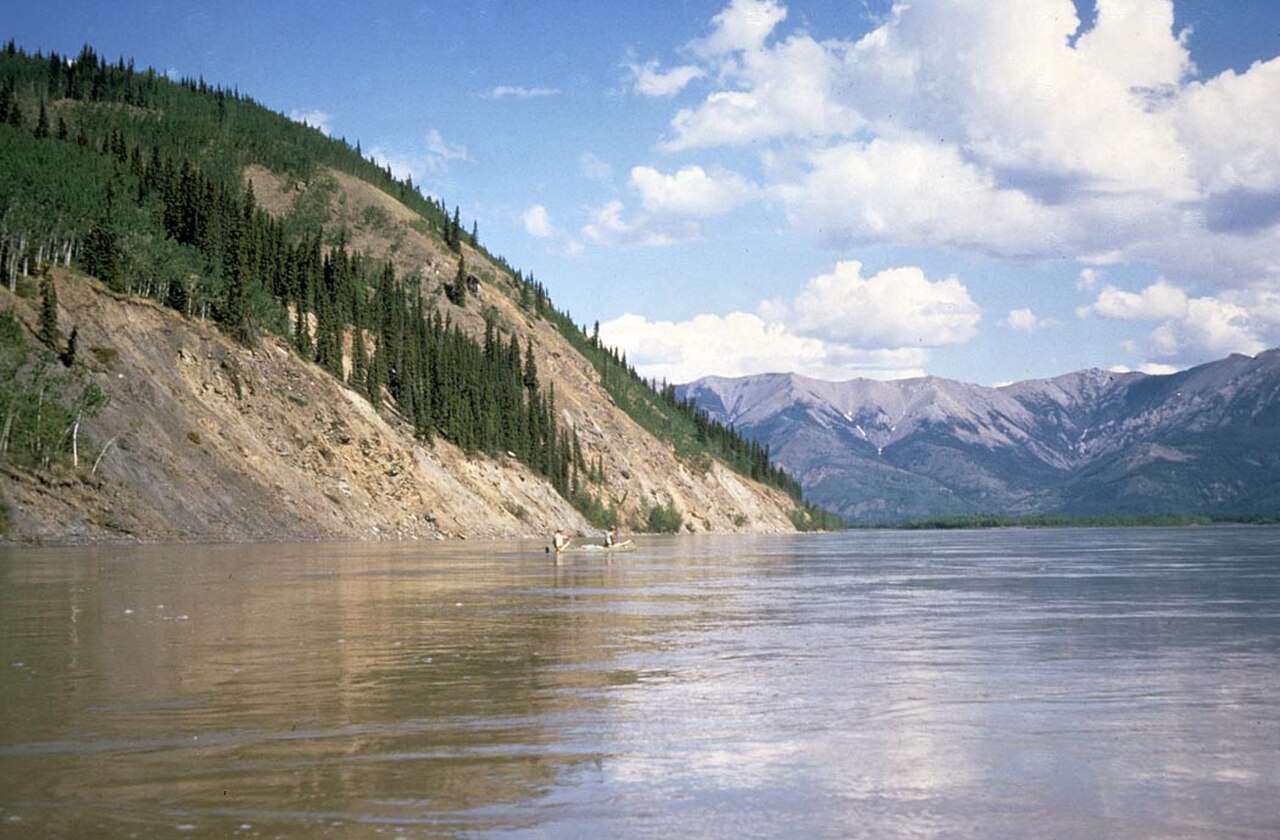
Yukon River
Geomorphology and Hydrology of a Continental River
The Yukon River stands as one of North America's longest and most significant river systems, spanning approximately 2,000 miles (3,200 km) from its headwaters in the Saint Elias Mountains of Canada's Yukon Territory to its expansive delta on the Bering Sea coast of Alaska. Its drainage basin is vast, encompassing roughly 328,000 square miles (850,000 km²), making it the third-largest river system in North America by discharge volume.
The river's course is characterized by a series of large meanders and oxbow lakes, testament to its dynamic geomorphological processes over millennia. It flows through diverse landscapes, from alpine tundra and boreal forests to the treeless coastal plain. The hydrology is dominated by snowmelt, with peak flows occurring in late spring and early summer, followed by a gradual decline.
Significant ice formation during winter, often extending for hundreds of miles, profoundly impacts its flow dynamics and ecological functions, creating unique challenges for both natural systems and human infrastructure.
Ecological Keystone
The Yukon River ecosystem is intrinsically linked to the annual migration of Pacific salmon, particularly Chinook, Chum, and Coho salmon. These fish undertake epic journeys, some traveling over 2,000 miles from the ocean to their natal streams to spawn, representing one of the longest salmon migrations globally. This annual influx of biomass is a cornerstone of the food web, supporting a rich diversity of predators, including grizzly and black bears, bald eagles, and various fish species.
The river also sustains populations of moose, caribou, and numerous waterfowl. The seasonal freeze-thaw cycle is critical; winter ice insulates the riverbed, protecting fish eggs, while the spring breakup reshapes the riverbanks and releases nutrients. The health of the Yukon River's watershed is therefore paramount for maintaining biodiversity across a vast northern region, making it a vital indicator of environmental change.
A Tapestry of Human History and Cultural Resilience
Human history along the Yukon River is deeply rooted in the presence of Indigenous peoples for at least 10,000 years. Groups such as the Gwich'in, Hän, Koyukon, and Yup'ik developed sophisticated cultures and subsistence economies intricately tied to the river's cycles and resources. They utilized the river for transportation, trade, and sustenance, establishing complex social structures and spiritual beliefs.
The river's trajectory shifted dramatically with the Klondike Gold Rush of 1896-1899, which transformed remote Indigenous territories into bustling, albeit temporary, hubs of activity. This influx of prospectors and settlers brought profound social, economic, and environmental changes. Later, the river served as a crucial transportation route during World War II for the construction of the Alaska Highway and related infrastructure.
Today, the Yukon River remains a vital cultural and economic corridor, supporting communities that continue to rely on its resources while preserving their ancestral connections.
Contemporary Challenges and Future Outlook
The Yukon River faces numerous contemporary challenges, many stemming from climate change and human activities. Rising global temperatures are leading to altered precipitation patterns, earlier spring melts, and increased frequency of extreme weather events, impacting river flow, ice dynamics, and salmon populations. Permafrost thaw along the riverbanks can lead to increased erosion and sediment load, affecting water quality and aquatic habitats. Furthermore, historical and ongoing resource extraction, along with potential future development, pose risks to the river's ecological integrity.
Conservation efforts, Indigenous-led monitoring programs, and sustainable resource management are crucial for safeguarding the Yukon River's future. Understanding its complex ecological and cultural significance is essential for developing effective strategies to ensure its health and vitality for generations to come.
Go deeper
Frequently Asked Questions
How long is the Yukon River?+
What animals live in and around the Yukon River?+
Why do salmon travel so far up the Yukon River?+
Which people have lived along the Yukon River for thousands of years?+
What happens to the river in winter and spring?+
Based on content from Wikipedia · Licensed under CC BY-SA 4.0