

Salmon: The Amazing Ocean Travelers!
Images
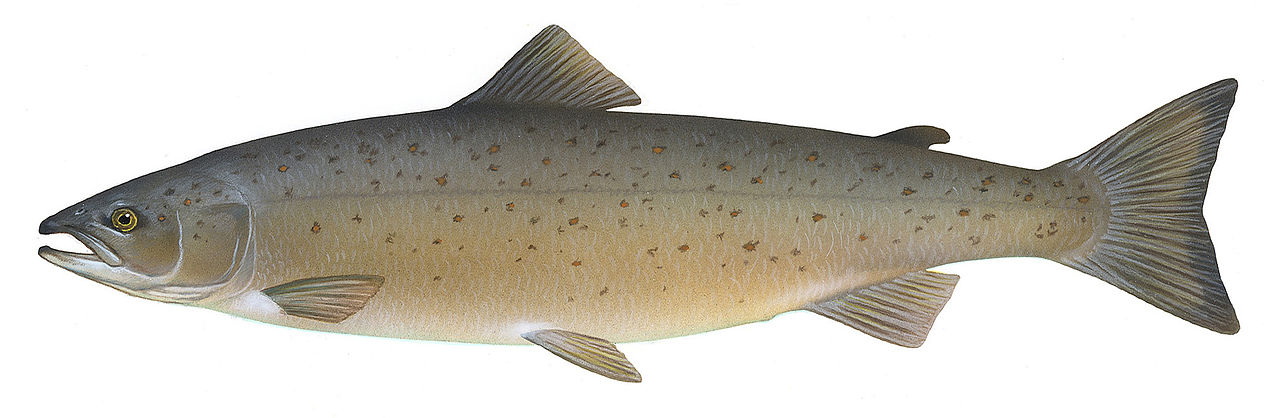
Salmon


The Anadromous Imperative
Salmon represent a remarkable evolutionary adaptation, characterized by their anadromous life cycle. Born in the oxygen-rich gravels of freshwater tributaries, they spend their early stages as fry and parr, feeding on aquatic insects and small invertebrates. This period is critical for development and imprinting on their natal stream's unique olfactory cues.
As they mature into smolts, a profound physiological transformation, known as smoltification, occurs. This process involves complex hormonal and biochemical changes that enable them to osmoregulate, transitioning from freshwater to the hypertonic marine environment. Their journey to the ocean is not merely a dispersal; it is a migration to a vastly different feeding ground where they consume a diverse diet of smaller fish, crustaceans, and cephalopods, accumulating the energy reserves necessary for growth and their eventual return.
This dual existence makes them uniquely vulnerable yet incredibly resilient.
Navigational Prowess and Reproductive Drive
The return migration of adult salmon to their birth rivers is one of nature's most extraordinary spectacles. Driven by an instinctual imperative to spawn, salmon navigate thousands of miles across oceans, guided by a sophisticated combination of celestial cues, magnetic field detection, and, most critically, olfaction. Their ability to detect the precise chemical signature of their natal stream, even after years at sea, is a testament to their sensory capabilities.
This homing instinct ensures genetic fidelity and the continuation of populations adapted to specific riverine conditions. The spawning process itself is a high-stakes endeavor; males compete for females, and both sexes expend enormous energy digging redds (nests) in the gravel. Upon completion of spawning, most Pacific salmon species die, their carcasses becoming a vital nutrient subsidy for the ecosystem, while Atlantic salmon often undertake a return journey to the sea, albeit with reduced survival rates.
Ecological Keystone
Salmon are unequivocally keystone species, playing a disproportionately large role in the health and structure of both marine and freshwater ecosystems. Their migratory pattern facilitates a massive transfer of marine-derived nutrients (MDNs) inland. When salmon spawn and die, their carcasses decompose, releasing essential nitrogen, phosphorus, and carbon into nutrient-poor freshwater environments.
This influx supports primary productivity, benefiting algae, aquatic insects, and riparian vegetation. Furthermore, salmon are a critical food source for a wide array of terrestrial and aquatic predators, including grizzly bears, bald eagles, seals, sea lions, and other fish. Their presence or absence can dramatically alter predator-prey dynamics and the overall biodiversity of an ecosystem.
For indigenous communities and human societies, salmon have historically been, and remain, a vital cultural and economic resource.
Conservation Imperatives and Anthropogenic Pressures
Despite their ecological importance and biological marvels, many salmon populations worldwide are in decline, facing a complex web of anthropogenic threats. Habitat degradation, primarily through dam construction, deforestation, agricultural runoff, and urbanization, fragments rivers, impedes migration, and degrades spawning grounds. Overfishing, both commercial and recreational, has historically depleted stocks, though management practices have improved in some regions.
Climate change poses a significant threat, leading to warming water temperatures that stress salmon, altering stream flows, and impacting prey availability. Pollution from industrial, agricultural, and urban sources further contaminates their habitats. Conservation strategies are multifaceted, involving habitat restoration, fish passage solutions (like fish ladders), sustainable fishing quotas, the establishment of protected areas, and efforts to mitigate climate change impacts.
The future of salmon hinges on addressing these interconnected challenges through robust policy and collaborative action.
Scientific Classification and Diversity
The term 'salmon' broadly refers to several species within the genera Salmo (Atlantic salmon) and Oncorhynchus (Pacific salmon), belonging to the family Salmonidae. These genera encompass a remarkable diversity of life histories and adaptations. For instance, within the Oncorhynchus genus, species like the sockeye salmon (Oncorhynchus nerka) exhibit a unique 'kokanee' form that can complete its life cycle entirely within freshwater lakes, bypassing the ocean phase.
The chinook salmon (Oncorhynchus tschawytscha), the largest Pacific species, can live for many years and undertake extensive ocean migrations. Understanding this taxonomic and life-history diversity is crucial for effective conservation, as different species and populations respond differently to environmental changes and pressures. Genetic studies continue to reveal intricate relationships and unique adaptations within these groups.
Go deeper
Frequently Asked Questions
What is a salmon and why do they travel between rivers and the ocean?+
How do salmon know which river to return to after living in the ocean?+
Why do most Pacific salmon die after spawning?+
Where do salmon help other animals and plants?+
Are salmon threatened by human activities?+
Based on content from Wikipedia · Licensed under CC BY-SA 4.0