

Weezer
Images
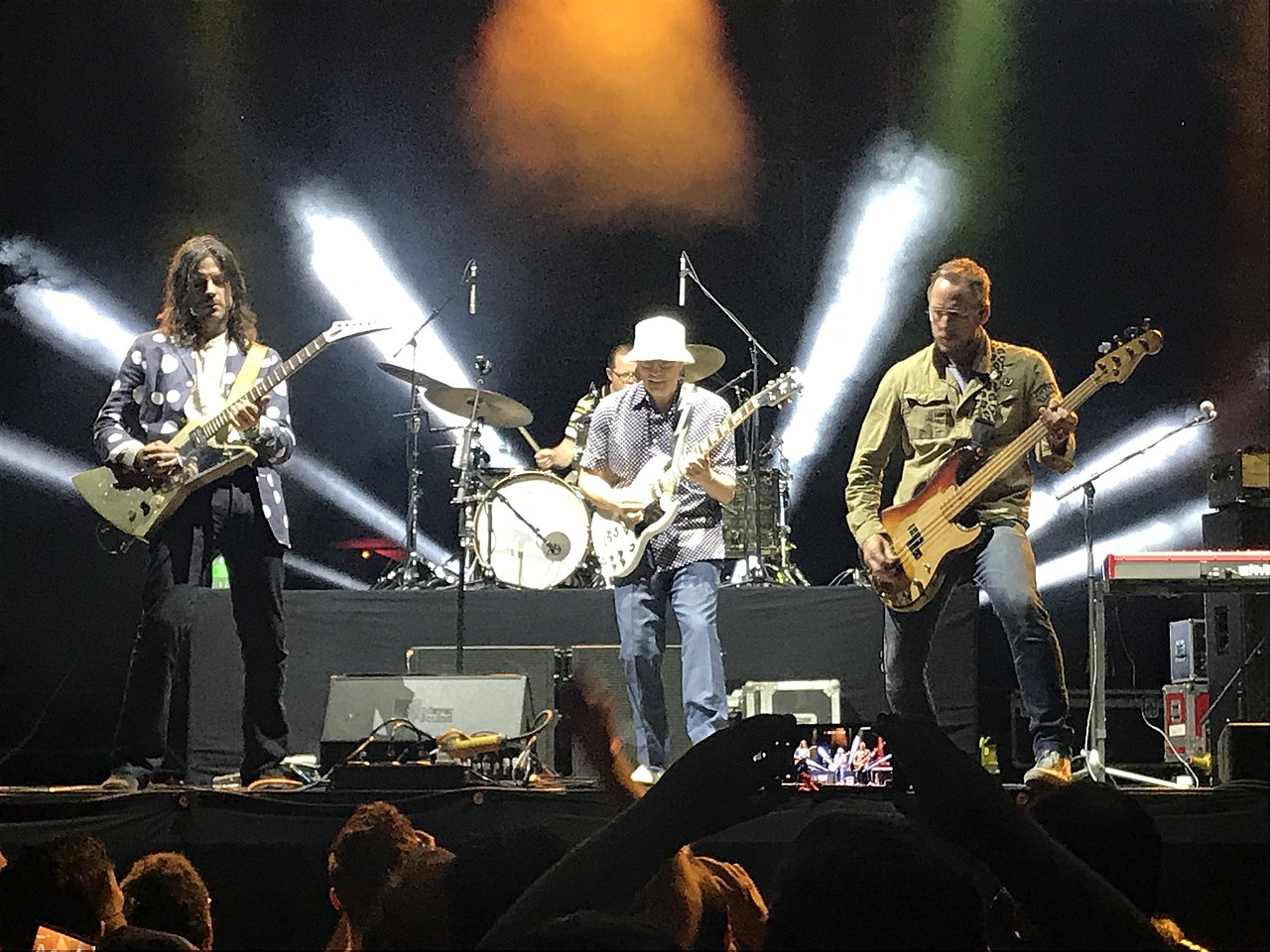
Weezer Bethlehem 2019 1


The Genesis of a Generation-Defining Sound
Formed in Los Angeles in 1992, Weezer emerged from the fertile ground of alternative rock, quickly distinguishing themselves with a unique blend of catchy hooks, introspective lyrics, and a distinctively nerdy charm. Their self-titled debut album, colloquially known as the 'Blue Album' (1994), was a watershed moment. Produced by Ric Ocasek, it masterfully balanced power-pop sensibilities with a raw, unpolished energy.
The accompanying music videos, particularly for 'Undone – The Sweater Song' and 'Buddy Holly,' were not merely promotional tools but integral parts of the band's artistic statement. The 'Buddy Holly' video, famously integrating the band into iconic scenes from the sitcom 'Happy Days,' was a groundbreaking fusion of music and visual media, earning critical acclaim and cementing Weezer's place in popular culture.
This album's multi-platinum success was a testament to its widespread appeal, resonating with a generation seeking authenticity and clever songwriting.
Their sophomore effort, 'Pinkerton' (1996), represented a significant stylistic departure. Embracing a more abrasive, emotionally raw, and sonically dense sound, it initially met with commercial disappointment and mixed critical reception. However, 'Pinkerton' has since undergone a profound re-evaluation, achieving cult classic status and is now widely regarded as one of the most important and influential albums of the 1990s.
Its unflinching honesty and experimental edge foreshadowed a willingness within the band to push creative boundaries, even at the risk of alienating mainstream audiences. This period also saw the departure of founding bassist Matt Sharp, leading to a hiatus that allowed the band to regroup and redefine their future direction.
Navigating the Shifting Tides of the Music Industry
Weezer's return in 2001 with the 'Green Album' marked a deliberate pivot towards a more streamlined, pop-oriented sound. This strategic shift, coupled with singles like 'Hash Pipe' and 'Island in the Sun,' proved highly successful, re-establishing the band's commercial viability and critical favor. The album's accessible melodies and polished production demonstrated their adaptability in a rapidly changing music landscape.
Following the 'Green Album' tour, bassist Mikey Welsh departed due to health reasons, and was succeeded by Scott Shriner, who has remained a consistent member since. Subsequent albums like 'Maladroit' (2002) explored a harder rock edge, while 'Make Believe' (2005) achieved significant mainstream success, notably with the chart-topping single 'Beverly Hills.' This track's ability to reach the top ten on the Billboard Hot 100 highlighted Weezer's enduring capacity to craft commercially successful, yet stylistically diverse, singles.
The late 2000s and early 2010s saw Weezer experimenting with more contemporary pop production and collaborative songwriting on albums such as 'Raditude' (2009) and 'Hurley' (2010). While these releases garnered mixed reviews and moderate sales, they reflected the band's ongoing effort to remain relevant in an era dominated by evolving digital music trends. The mid-2010s, however, saw a conscious return to their roots with 'Everything Will Be Alright in the End' (2014) and the 'White Album' (2016), which successfully blended their signature 90s rock sound with modern alternative production, earning renewed critical praise.
A Legacy of Sonic Exploration and Fan Connection
Weezer's enduring appeal lies not only in their consistent output but also in their remarkable ability to connect with their fanbase on a deeply personal level. Their lyrics often tap into universal themes of alienation, longing, and the awkwardness of everyday life, creating a sense of shared experience. This authenticity has fostered a loyal and passionate following that spans generations.
The band's willingness to engage with their legacy, whether through re-recordings, live performances of classic albums, or thematic projects, further strengthens this bond. Their 2019 release of the 'Teal Album,' a collection of covers, and the subsequent 'Black Album,' demonstrated their continued exploration of different musical avenues. More recently, 'OK Human' (2021) was lauded for its sophisticated orchestral pop arrangements, offering a stark contrast to the hard rock-inspired 'Van Weezer' released in the same year.
This constant evolution, from the raw energy of their early work to the polished experimentation of their later albums, showcases a band that refuses to stagnate. Their 2022 project, 'SZNZ,' a series of seasonal EPs, exemplifies their ongoing commitment to creative innovation. Weezer's journey is a compelling narrative of artistic resilience, demonstrating how a band can maintain its core identity while continuously adapting to and influencing the ever-changing landscape of popular music.
Their impact is measured not just in sales figures but in the lasting cultural resonance of their music and their ability to inspire and entertain audiences for over three decades.
The Art of the Weezer Album Cycle
Weezer's discography is characterized by distinct album cycles, each with its own sonic identity and thematic focus. The 'Blue Album' and 'Pinkerton' established their foundational sound, one polished and accessible, the other raw and introspective. The 'Green Album' represented a deliberate return to pop sensibilities, while 'Maladroit' delved into heavier rock territories. 'Make Believe' brought them significant mainstream chart success, proving their ability to craft hit singles.
The albums of the late 2000s and early 2010s, like 'Raditude' and 'Hurley,' explored more contemporary production techniques and collaborations, reflecting a period of stylistic experimentation. The mid-2010s saw a deliberate return to their 90s alternative rock sound with 'Everything Will Be Alright in the End' and the 'White Album,' which were met with critical acclaim for their nostalgic yet fresh approach.
More recent releases have continued this trend of sonic exploration. 'Pacific Daydream' leaned into a more mainstream pop sound, while the 'Teal Album' showcased their versatility through covers. The 'Black Album' offered a distinct stylistic direction, and 'OK Human' garnered significant praise for its sophisticated orchestral pop arrangements. 'Van Weezer,' released concurrently, provided a high-energy hard rock counterpoint. The ambitious 'SZNZ' project in 2022, a series of EPs themed around the seasons, highlights their ongoing commitment to innovative artistic endeavors.
This consistent output and willingness to experiment across diverse genres solidify Weezer's position as a dynamic and enduring force in contemporary music, capable of both honoring their past and forging new sonic paths.
See also
Frequently Asked Questions
What is Weezer?+
Why is the 'Blue Album' famous?+
How did Weezer change their music after the 'Pinkerton' album?+
Who are some of the bass players in Weezer?+
What is special about the 'Buddy Holly' music video?+
Based on content from Wikipedia · Licensed under CC BY-SA 4.0