

Generation: Your Family Tree and Beyond!
Images
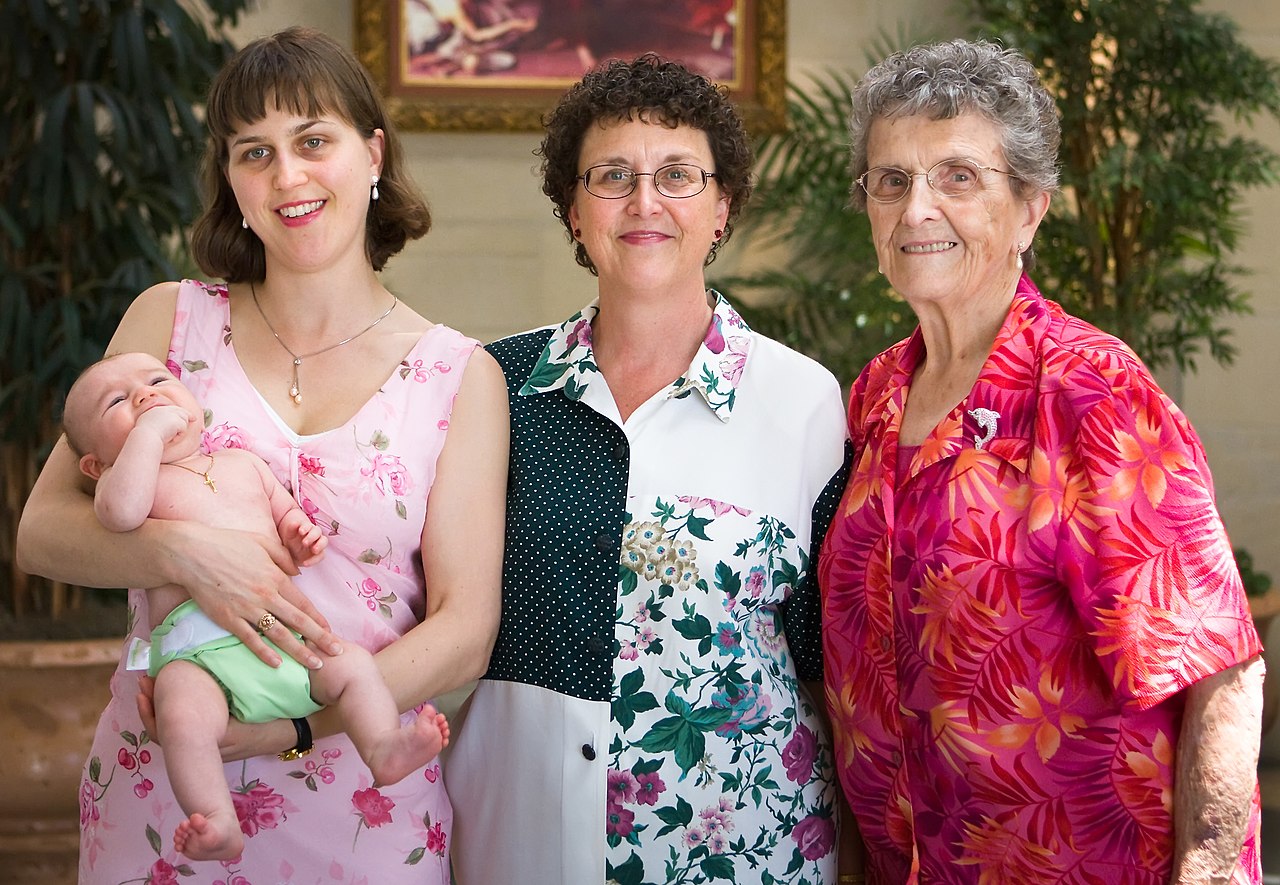
Generation
Deconstructing the Generational Cohort
A generation, or cohort, is more than just a demographic grouping; it's a collective identity forged by shared formative experiences. These experiences are often rooted in significant historical events, technological revolutions, and prevailing cultural norms that imprint upon individuals during their crucial developmental stages, typically adolescence and early adulthood. For instance, the experience of growing up during the Cold War instilled a different set of anxieties and political perspectives compared to growing up in the digital age of instant global communication.
Sociologists and historians analyze these shared experiences to understand the unique worldview, values, and behaviors that characterize a particular generation, distinguishing it from those that preceded or followed it.
Tracing the Evolution of Generational Study
The concept of generational differences has been observed for centuries, but its systematic study gained momentum in the 20th century, coinciding with accelerated societal change. Early observations focused on the perceived 'rebelliousness' of youth against established traditions. However, as the pace of technological advancement and socio-political upheaval increased, particularly after World War II, the distinct impacts on different age groups became more pronounced.
The rise of mass media, globalization, and rapid economic shifts created more divergent life paths and shared experiences within specific birth year ranges, leading to more refined definitions and analyses of generational cohorts and their unique historical footprints.
The Profound Impact of Generational Dynamics
Understanding generational dynamics is crucial for comprehending the complexities of modern society. It provides a framework for analyzing shifts in political ideologies, consumer behaviors, workforce expectations, and cultural trends. For example, the differing attitudes towards work-life balance between Baby Boomers and Millennials can explain workplace conflicts and evolving HR policies.
Furthermore, intergenerational relationships, whether harmonious or strained, shape family structures, social policies, and the transmission of values. Recognizing these dynamics allows for more effective communication, targeted policy-making, and a deeper appreciation of the diverse perspectives that contribute to the societal mosaic.
Generations as Catalysts for Societal Transformation
Each generation acts as a unique catalyst for societal transformation, often by questioning or redefining the norms established by their predecessors. The Civil Rights Movement, heavily influenced by the activism of the Baby Boomer generation, fundamentally altered social justice landscapes. Similarly, the digital revolution, spearheaded by Millennials and Gen Z, has reshaped communication, commerce, and information access.
These generations don't just inherit the world; they actively mold it based on their formative experiences, technological capabilities, and evolving values. Their collective aspirations and challenges drive innovation, advocate for change, and ultimately contribute to the ongoing evolution of human civilization.
Generational Frameworks
Scholars have developed various frameworks to categorize and study generations, often assigning them distinct labels based on their birth years and associated historical contexts. The Silent Generation (born approx. 1928-1945) navigated the Great Depression and WWII. Baby Boomers (approx. 1946-1964) experienced post-war prosperity and social upheaval.
Generation X (approx. 1965-1980) grew up during a period of economic uncertainty and technological transition. Millennials (approx. 1981-1996) are characterized by digital fluency and global interconnectedness. Generation Z (approx. 1997-2012) are digital natives facing unique social and environmental challenges.
Gen Alpha (born approx. 2013 onwards) are the first generation to be entirely born in the 21st century, growing up in an era of unprecedented technological integration.
Go deeper
Frequently Asked Questions
What is a generation?+
Why do people in the same generation have different ideas than older generations?+
How do generations help us understand changes in society?+
What is an example of a generation that changed the world?+
Why is it important to talk to people from different generations?+
Based on content from Wikipedia · Licensed under CC BY-SA 4.0