

Vercingetorix
Images
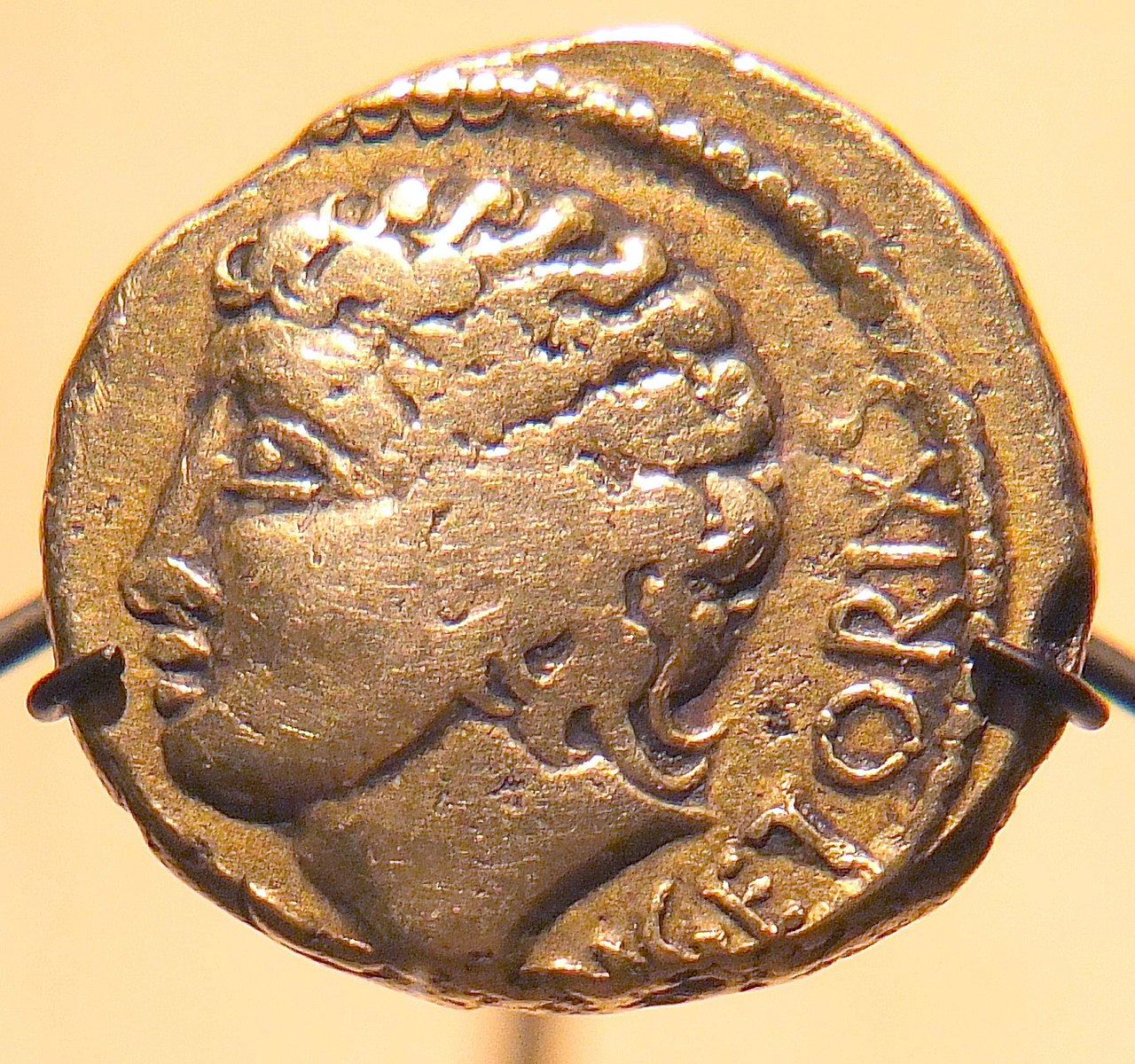
Vercingetorix
The Genesis of Rebellion
Vercingetorix emerged as a pivotal figure during a critical juncture in Gallic history, a period marked by Roman encroachment and internal tribal fragmentation. As the Roman Republic, under the ambitious command of Julius Caesar, systematically expanded its influence into Gaul, the indigenous tribes found themselves increasingly vulnerable. Vercingetorix, a young nobleman of the Arverni, possessed the foresight and charisma to recognize that disunity was their greatest weakness.
He embarked on a daring mission to forge an unprecedented pan-Gallic alliance, transcending traditional rivalries and animosities. His efforts were not merely military; they involved complex diplomacy and persuasive rhetoric, convincing diverse peoples, from the powerful Aedui to the fierce Carnutes, that collective action was their sole recourse against Roman subjugation. This unification was a remarkable feat, transforming a disparate collection of peoples into a cohesive fighting force capable of posing a significant threat to Caesar's legions.
Strategic Acumen
Vercingetorix's military strategy was a testament to his understanding of the asymmetric warfare he faced. Confronting Caesar's highly disciplined and logistically superior army on open battlefields would have been suicidal. Instead, he adopted a Fabian strategy, characterized by attrition, evasion, and psychological warfare.
His most impactful tactic was the implementation of a 'scorched earth' policy. He ordered the systematic destruction of Gallic settlements, granaries, and livestock in the path of the Roman advance. This denied the legions crucial resources, forcing them to rely on increasingly perilous supply lines stretching back to Italy.
Furthermore, Vercingetorix employed effective guerilla tactics, launching swift raids on Roman foraging parties and outposts, disrupting their operations and undermining their morale. This approach aimed to bleed the Roman army slowly, making their prolonged campaign unsustainable and costly in both human and material terms.
The Culmination at Alesia
The Battle of Alesia in 52 BCE represents the apex and tragic denouement of Vercingetorix's campaign. After a strategic withdrawal, he consolidated his forces within the formidable hill fort of Alesia. Caesar, recognizing the strategic importance of capturing Vercingetorix and ending the revolt, initiated a massive siege operation.
His legions constructed an unprecedented circumvallation – an inner ring of fortifications facing Alesia to prevent sorties – and a contravallation, an outer ring facing outwards to repel any Gallic relief armies. Vercingetorix responded with audacious counter-strategies, launching coordinated attacks from within the besieged town while simultaneously coordinating with a massive Gallic relief force. This intricate dance of siege and counter-siege, defense and assault, showcased Vercingetorix's tactical brilliance and desperate courage against overwhelming Roman engineering and military might.
The ultimate failure of the relief force and the subsequent starvation within Alesia led to Vercingetorix's surrender.
Enduring Symbolism
Vercingetorix's defeat at Alesia marked the effective end of organized Gallic resistance and paved the way for Roman annexation. Captured and brought to Rome, he endured the humiliation of a triumphal procession before his eventual execution, likely in 46 BCE. However, his historical significance transcends his military outcome.
Vercingetorix became a potent symbol of Gallic identity and defiance against foreign domination. While his image faded during the Roman and early medieval periods, he was dramatically resurrected in the 19th century during the rise of French nationalism. Napoleon III commissioned statues and historical accounts that elevated Vercingetorix to the status of a national hero, embodying the spirit of French resistance and independence. His narrative serves as a powerful historical case study in leadership, strategy, and the enduring human desire for self-determination against imperial power.
Historical Context and Roman Perspective
Understanding Vercingetorix requires acknowledging the Roman perspective, primarily documented by Julius Caesar himself in his 'Commentarii de Bello Gallico' (Commentaries on the Gallic War). Caesar's account, while invaluable, is inherently biased, portraying Vercingetorix as a formidable but ultimately barbaric enemy, and himself as a brilliant, almost divinely favored, conqueror. Vercingetorix's actions, such as the scorched earth policy, were likely viewed by the Romans as uncivilized, contrasting with their own perceived order and law.
However, Caesar's detailed descriptions also inadvertently highlight Vercingetorix's strategic acumen and the significant challenge he posed. The Gallic Wars, culminating in Vercingetorix's defeat, were instrumental in Caesar's rise to power, providing him with military prestige, wealth, and a loyal army that would later be crucial in his overthrow of the Roman Republic. Vercingetorix, therefore, played an unwitting but critical role in the transformation of Rome from a republic to an empire.
Go deeper
Based on content from Wikipedia · Licensed under CC BY-SA 4.0