

Tuvalu: Islands in the Big Blue Sea!
Images
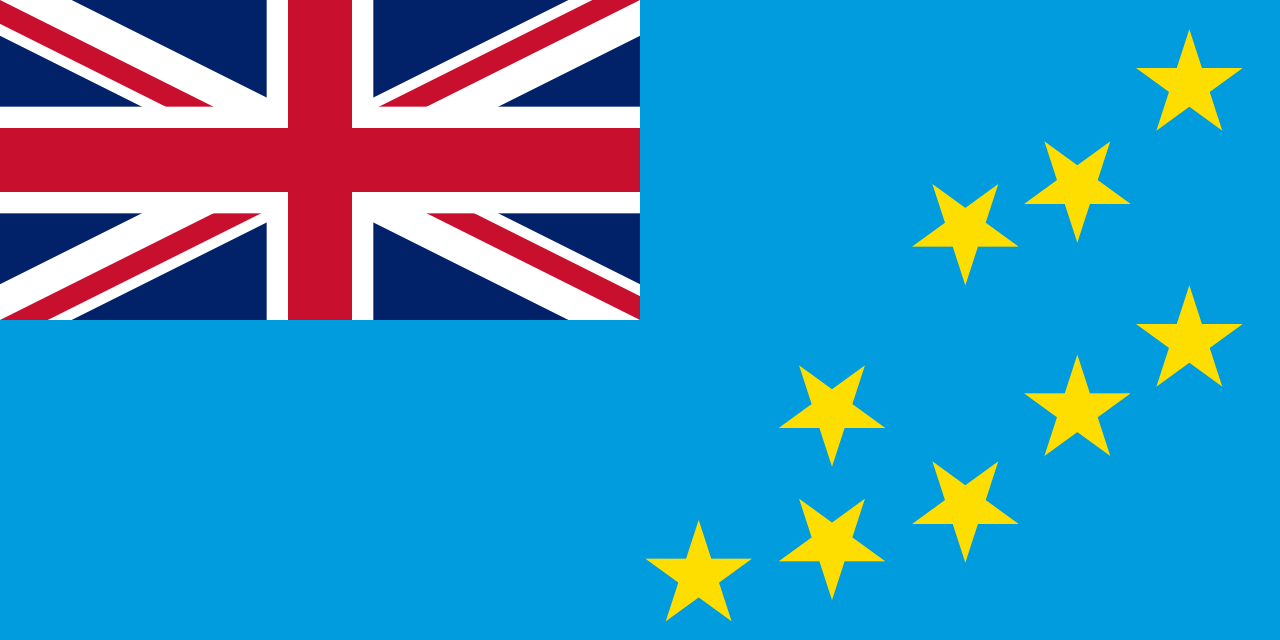
Tuvalu
Geographical Isolation and Ecological Fragility
Tuvalu is an archipelago nation comprising three reef islands and six atolls, strategically located in the Polynesian sub-region of Oceania, roughly equidistant between Hawaii and Australia. Its geographical isolation, while historically a protective factor, now presents significant logistical and economic challenges. The nation's total land area is a mere 25.14 square kilometers, making it one of the smallest sovereign states globally.
This extremely low-lying topography, with elevations rarely exceeding a few meters above sea level, renders Tuvalu exceptionally vulnerable to the impacts of climate change, particularly sea level rise and increased storm intensity. The delicate coral ecosystems that form the foundation of its islands are also susceptible to ocean acidification and warming, threatening biodiversity and coastal protection.
From Polynesian Settlement to Colonial Administration
The human history of Tuvalu is rooted in the great Polynesian migrations across the Pacific, beginning approximately three thousand years ago. Early Polynesian settlers, skilled navigators, established communities on these atolls, developing unique cultural practices adapted to their island environment. The first documented European contact occurred in 1568 with Álvaro de Mendaña.
European influence grew significantly in the late 19th century when Great Britain claimed sovereignty, incorporating the islands into the Gilbert and Ellice Islands colony. This colonial period, while bringing some administrative structures, also imposed external governance and economic systems, laying the groundwork for future political aspirations and eventual self-determination.
The Path to Independence and Global Engagement
The mid-20th century saw a growing desire for self-governance among the Tuvaluan people. A pivotal referendum in 1974 led to the legal separation of the Ellice Islands from the Gilbert Islands colony. This culminated in Tuvalu achieving full independence on October 1, 1978, becoming a sovereign state and a constitutional monarchy within the Commonwealth.
Since then, Tuvalu has actively engaged in international affairs, notably as the 189th member of the United Nations in 2000. Its status as a small island developing state (SIDS) positions it as a prominent advocate in global climate negotiations, highlighting the existential threat posed by rising sea levels and advocating for urgent international climate action.
Economic Resilience and External Dependencies
Tuvalu's economy is characterized by its limited land resources and significant reliance on external factors. Agriculture is constrained by poor soil quality, making subsistence farming challenging. Consequently, the nation depends heavily on imports for food and other essential goods.
Key sources of revenue include licensing fishing permits to international fleets, receiving grants and aid from international partners, and remittances from Tuvaluan citizens employed as seafarers on international cargo ships. This reliance on external income streams and international cooperation underscores the nation's vulnerability to global economic fluctuations and the imperative for sustainable development strategies that leverage its unique maritime resources.
Education and Cultural Preservation in a Changing World
Education in Tuvalu is a cornerstone for national development and cultural continuity. The government prioritizes providing access to quality education, from primary to tertiary levels, often with international support. While English is an official language and widely used in government and education, the Tuvaluan language remains central to cultural identity and daily life.
Efforts are made to preserve traditional knowledge, including navigation techniques, customary law, and oral histories, while also equipping younger generations with the skills needed to navigate the complexities of the modern world, including environmental science and international relations. The educational system plays a crucial role in fostering awareness of climate change impacts and empowering citizens to participate in adaptation and mitigation strategies.
Go deeper
Frequently Asked Questions
What are the islands of Tuvalu made of?+
Why is Tuvalu very small?+
How does climate change affect Tuvalu?+
When did Tuvalu become an independent country?+
What does Tuvalu do to earn money?+
Based on content from Wikipedia · Licensed under CC BY-SA 4.0