

Turkish Angora
Images
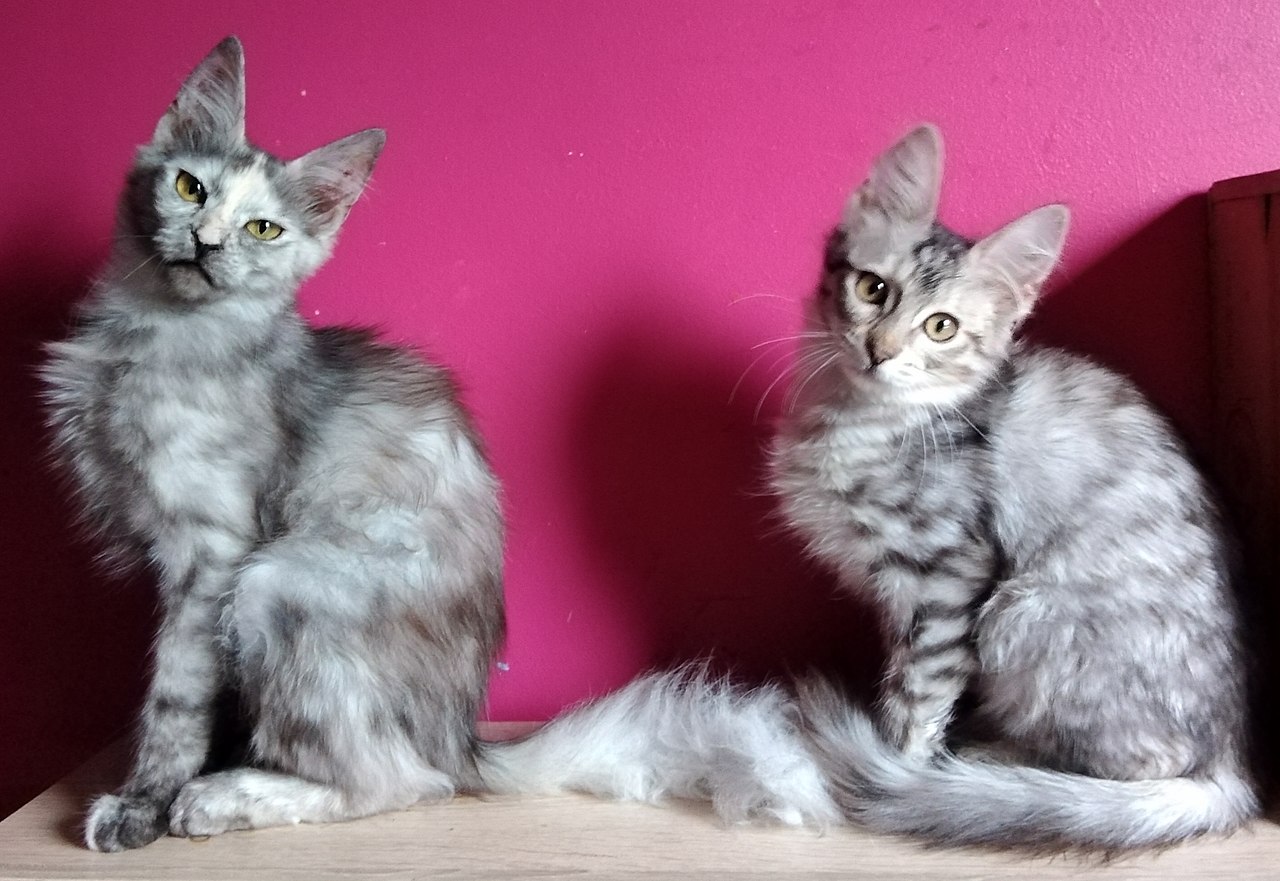
Turkish angora torties silver girls


The Genesis and Historical Tapestry of the Turkish Angora
The Turkish Angora, scientifically classified as Felis catus, represents one of the oldest naturally occurring breeds of domestic cats. Its origins are deeply rooted in the central Anatolian region of Turkey, with historical documentation tracing its presence back to at least the 17th century. The breed's name is intrinsically linked to the city of Ankara, formerly known as Angora, which served as the hub for its development and dissemination.
Unlike breeds that have been extensively shaped by human selective breeding, the Angora evolved organically, adapting to its environment and developing its characteristic traits over millennia. This natural development has endowed the breed with a unique genetic makeup and a resilience that has allowed it to persist through centuries. Its historical significance is further amplified by its role as a progenitor or influence on other long-haired cat breeds, underscoring its foundational importance in feline genetics and history.
Morphological Distinctions
The Turkish Angora is immediately recognizable by its elegant and slender physique. This is not a cobby or heavily built cat; rather, it possesses a fine-boned structure that contributes to its graceful movement and agility. Its body is long and lithe, supported by slender legs and delicate paws.
The head is typically wedge-shaped with large, expressive ears that are set high and wide apart, often tufted. The eyes are large and almond-shaped, capable of conveying a wide range of emotions, and can be various colors, including blue, green, gold, or odd-eyed (one blue, one gold). The breed's most celebrated feature is its semi-longhaired coat.
This luxurious fur is characterized by its silky texture and lack of a dense undercoat, which prevents excessive matting and simplifies grooming compared to breeds with thick undercoats. The coat is typically longer on the ruff, britches, and tail, creating a visually striking appearance that accentuates its refined form. This unique coat structure is a key adaptation, likely evolving to provide warmth without overheating in its native climate.
Behavioral Traits and Cognitive Abilities
Beyond its aesthetic appeal, the Turkish Angora is renowned for its engaging and intelligent personality. These cats are highly social and form strong, affectionate bonds with their human companions, often seeking out interaction and preferring to be involved in household activities. They are known for their curiosity and playful nature, maintaining a spirited demeanor well into adulthood.
This playfulness often manifests in a love for climbing and exploring, requiring an environment that provides ample vertical space and stimulation. Turkish Angoras are also quite vocal, communicating through a variety of soft chirps, trills, and meows, which they use to express their needs and desires. Their intelligence allows them to learn quickly, solve problems, and even be trained to perform simple tricks.
This combination of affection, intelligence, and playfulness makes them highly adaptable and rewarding companions for owners who can provide the necessary attention and enrichment.
Conservation and Genetic Preservation
As a domesticated breed, the Turkish Angora does not have a formal conservation status in the wild. However, its preservation as a distinct breed is of significant importance within the feline fancy and genetic diversity circles. Historically, the breed faced challenges, including near extinction, particularly when efforts to preserve it were concentrated at the Ankara Zoo.
These conservation programs were crucial in maintaining the breed's purity and genetic integrity. Today, responsible breeding practices are essential to ensure the continued health and viability of the Turkish Angora population. Understanding its genetic heritage and unique traits helps breeders maintain the breed standard and prevent dilution through crossbreeding with less related stock.
The ongoing appreciation and careful stewardship of the Turkish Angora contribute to the broader goal of preserving the rich diversity of domestic cat breeds for future generations.
See also
Frequently Asked Questions
What does a Turkish Angora look like?+
Where did the Turkish Angora come from?+
Why is the Turkish Angora’s coat special?+
How friendly and playful is a Turkish Angora?+
Can a Turkish Angora learn tricks?+
Based on content from Wikipedia · Licensed under CC BY-SA 4.0