

Trang: A Sunny Place in Thailand!
Images

Quân Trang


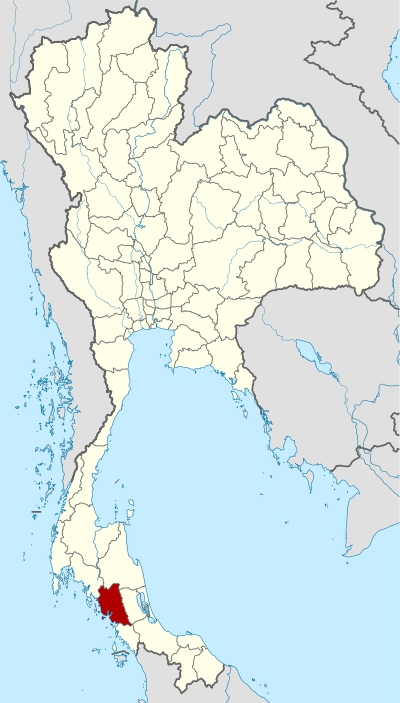


Geomorphological Marvels and Climatic Realities of Trang
Trang Province is a geographically significant area in Southern Thailand, distinguished by its extensive coastline along the Andaman Sea and a remarkable archipelago of limestone karst islands. These islands, such as Koh Libong, Koh Kradan, and Koh Mook, are iconic geological formations characterized by sheer cliffs, sea caves, and verdant interiors, sculpted over millennia by erosion. The province's terrestrial geography includes coastal plains and inland highlands, with rivers like the Trang River playing a crucial role in the ecosystem and local life.
The climate is unequivocally tropical monsoon, with high temperatures and humidity year-round. A pronounced rainy season typically runs from May to October, followed by a cooler, drier period from November to April. This climatic pattern dictates agricultural cycles and influences the marine environment, affecting visibility for diving and the accessibility of certain islands.
Trang City, the provincial capital, serves as the administrative and commercial heart, but the province's true allure lies in its diverse natural landscapes, from mangrove forests to coral reefs, making it a biodiversity hotspot.
Historical Trajectories and Cultural Synthesis in Trang
Trang's historical narrative is one of strategic importance as a maritime trading post and administrative center. Its development was significantly shaped by its early integration into regional trade networks, connecting it to India, China, and beyond. During the Siamese era, Trang served as a vital port and a hub for the burgeoning rubber industry, which profoundly impacted its economy and landscape.
The architectural remnants in Trang City, featuring Sino-Portuguese and colonial influences, bear witness to this cosmopolitan past. The cultural fabric of Trang is a rich tapestry woven from indigenous Thai traditions, significant Chinese immigration, and historical Malay interactions. This synthesis is most evident in its unique cuisine, which masterfully blends local ingredients with diverse culinary techniques, and in its vibrant festivals that celebrate both Buddhist and local animist beliefs.
The people of Trang are often characterized by a strong sense of community and a preservation of traditional ways of life, balanced with modern economic realities.
Economic Pillars
The economy of Trang Province is multifaceted, built upon a foundation of natural resources and strategic development. Tourism is a primary economic driver, capitalizing on the province's stunning natural beauty, particularly its islands, beaches, and marine attractions. The development of eco-tourism and sustainable travel initiatives is increasingly important to preserve these fragile environments. The fisheries sector remains a cornerstone, providing fresh seafood for both domestic consumption and export, with sustainable fishing practices becoming a growing focus.
Agriculture is another vital component, with rubber cultivation being historically significant and continuing to be a major export commodity. Other agricultural products include palm oil, fruits, and vegetables. Trang also benefits from its role as a regional trade center, with its port facilitating the movement of goods.
Efforts are underway to diversify the economy further, encouraging small and medium-sized enterprises and promoting value-added products, such as processed seafood and agricultural goods, to ensure long-term economic resilience.
Governance and Education
Trang Province operates under Thailand's centralized administrative system, with a provincial governor appointed by the central government overseeing provincial affairs. The province is divided into districts (amphoe), each managed by a district chief. Local governance is handled by elected municipal councils and sub-district administrative organizations (SAO), which are responsible for local public services and development projects.
The provincial government plays a key role in coordinating development initiatives, managing public resources, and ensuring the implementation of national policies. In terms of education, Trang offers a comprehensive system from early childhood to higher education. The province is home to numerous primary and secondary schools, both public and private, serving the educational needs of its population.
Furthermore, Trang hosts several institutions of higher learning, including vocational colleges and universities, which contribute to the skilled workforce and research capabilities of the region. These educational institutions are crucial for fostering human capital development and supporting the province's economic diversification and progress.
See also
Frequently Asked Questions
What makes Trang a sunny place in Thailand?+
Where can I find beautiful islands in Trang?+
Why is tourism important to Trang's economy?+
How do Trang's rivers help the people there?+
What kinds of food can I try in Trang?+
Based on content from Wikipedia · Licensed under CC BY-SA 4.0