

Tower of Silence
Images

Tower of silence


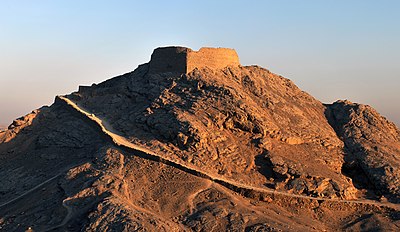


The Dakhma
The Tower of Silence, or dakhma, is a distinctive architectural feature central to Zoroastrian funerary rites. These are typically circular, raised structures, often constructed from stone, designed to facilitate excarnation. The fundamental principle behind the dakhma's design and use is the Zoroastrian belief in the sanctity of the natural elements: earth, water, fire, and air.
Contamination of these elements by dead matter was considered a grave offense. Consequently, traditional burial, which would pollute the earth, and cremation, which would defile fire, were avoided. The dakhma provided a solution by elevating the deceased, exposing them to the sun and wind, and crucially, to carrion birds, thereby preventing direct contact with the earth and water.
The circular form itself is symbolic, often representing the cyclical nature of life and the cosmos, and the open-air platform ensured maximum exposure to the elements and scavengers.
Historical Context and Theological Underpinnings
The practice of excarnation via dakhmas is deeply embedded in the history of Zoroastrianism, one of the world's oldest monotheistic religions. While the exact origins are debated, the practice likely evolved from ancient nomadic traditions and solidified with the religion's emphasis on environmental purity. Zoroastrian theology, as articulated in texts like the Avesta, stresses the ongoing cosmic struggle between the forces of good (Ahura Mazda) and evil (Angra Mainyu).
The physical body, after the soul's departure, was seen as susceptible to corruption and thus a potential source of impurity. By utilizing the dakhma, Zoroastrians sought to ensure that the transition from life to death was managed in a way that upheld spiritual and environmental integrity. This practice reflects a sophisticated understanding of ecological processes, utilizing natural scavengers as an integral part of the decomposition cycle, a concept that predates modern ecological awareness.
The Ecological Mechanism of Excarnation
The functional aspect of the Tower of Silence relies on a specific ecological interaction. Once a body was placed on the open platform, it was exposed to the elements, primarily the sun and wind, which aided in desiccation. However, the most critical component of the process was the role of carrion birds, predominantly vultures.
These birds, with their keen eyesight and specialized digestive systems, are highly efficient at consuming flesh. Their presence was not merely incidental but a deliberate and essential part of the ritual. The rapid consumption of soft tissues by vultures significantly accelerated the decomposition process, leaving behind skeletal remains.
These bones would then be further weathered before being collected and deposited into a central ossuary pit, where they would eventually disintegrate. This method ensured that the body was returned to the earth in a mineralized form, minimizing the perceived contamination.
Contemporary Relevance and Evolving Practices
In contemporary times, the practice of using Towers of Silence has significantly declined, particularly in urbanized areas and due to evolving societal and environmental considerations. Factors such as the decrease in vulture populations in some regions, the spread of diseases, and the increasing preference for more conventional burial or cremation methods have led to the abandonment or disuse of many dakhmas. However, the historical and cultural significance of the dakhma remains profound.
It serves as a powerful symbol of Zoroastrianism's deep respect for nature and its unique approach to mortality. The concept of excarnation also sparks contemporary discussions about sustainable death practices and the human relationship with the environment, offering a historical precedent for alternative funerary rituals that prioritize ecological harmony.
Key Facts and Associated Terminology
The Tower of Silence, or dakhma, is a testament to the intricate relationship between religious belief, cultural practice, and environmental understanding. Its function as a site for excarnation highlights a unique approach to death rituals. The primary agents involved in the decomposition process were carrion birds, such as vultures, which played a crucial role in returning the body to the earth.
Historically, these structures were found in regions with significant Zoroastrian populations, notably in India and Iran. The core principle was the avoidance of polluting the sacred elements of earth, fire, and water. This practice is intrinsically linked to Zoroastrianism, a religion that places a high value on purity and the natural world.
The term 'excarnation' precisely describes the ritual of exposing the dead body to the elements and scavengers. The dakhma itself is the physical structure designed to facilitate this process, often a circular, elevated platform.
See also
Frequently Asked Questions
What is a Tower of Silence?+
Why do Zoroastrians use a Tower of Silence instead of burying or cremating?+
How do birds help in the Tower of Silence?+
What does the shape of the Tower of Silence symbolize?+
Why are Towers of Silence less common today?+
Based on content from Wikipedia · Licensed under CC BY-SA 4.0