

Tokyo Disneyland: A Magical Land Far Away!
Images

Tokyo Disneyland


Geographic Footprint and Environmental Context
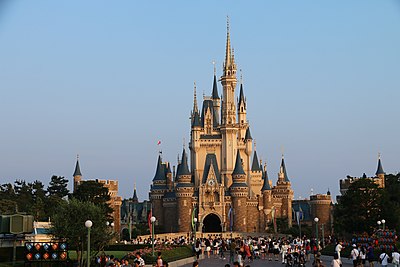
Tokyo Disneyland is strategically situated in Urayasu, Chiba Prefecture, a key suburban area adjacent to the vast Tokyo metropolitan region. This location offers significant logistical advantages, facilitating access for both domestic and international tourists. The park encompasses 115 acres, a substantial footprint that allows for the intricate theming and expansive attractions characteristic of Disney parks.
Its placement within Japan's temperate climate zone means visitors experience a range of weather conditions throughout the year, from the humid summers with potential typhoons to cooler, drier winters. This environmental context influences park operations, crowd management, and the seasonal events that are integral to its appeal. The park's design, while mirroring American Disney parks, is adapted to its Japanese setting, reflecting a careful balance between global brand consistency and local cultural integration.
Genesis and Unique Ownership Model
The inauguration of Tokyo Disneyland on April 15, 1983, represented a monumental step in Disney's global expansion, marking the first Disney theme park established outside the United States. Constructed by WED Enterprises, the park was designed to emulate the successful blueprints of Disneyland in California and Magic Kingdom in Florida. However, Tokyo Disneyland diverges significantly from other Disney parks worldwide due to its ownership and operational structure.
It is owned and operated by The Oriental Land Company, which licenses the intellectual property from The Walt Disney Company. This unique arrangement means that Tokyo Disneyland and its adjacent park, Tokyo DisneySea, are the only Disney-branded parks globally that are not owned or operated by The Walt Disney Company in any capacity. This model has allowed for a distinct operational philosophy and a high degree of local adaptation while maintaining the core Disney experience.
Thematic Design and Spatial Strategy
Tokyo Disneyland is meticulously organized into seven distinct themed lands: World Bazaar, Adventureland, Westernland, Fantasyland, Tomorrowland, Critter Country, and Toontown. Many of these areas are direct adaptations of their counterparts in the original Disneyland, drawing heavily on classic American Disney animated films and fantasies. Fantasyland, for instance, features iconic rides like Peter Pan's Flight and Dumbo the Flying Elephant, directly referencing beloved characters and narratives.
A notable design characteristic of Tokyo Disneyland is its emphasis on expansive open spaces. This is a deliberate architectural choice to accommodate the exceptionally large visitor numbers the park consistently attracts, ensuring that the guest experience remains enjoyable even during peak periods. This spatial planning is crucial for managing crowd flow and maintaining the immersive quality of each themed environment.
Socio-Economic Impact and Cultural Resonance
The sheer popularity of Tokyo Disneyland is underscored by its visitor statistics. In 2024, the park hosted 15.1 million visitors, positioning it as the fourth-most visited theme park globally and the second-most visited in Asia. This immense draw has profound socio-economic implications, significantly boosting local and national tourism industries, creating numerous employment opportunities, and contributing substantially to Japan's entertainment sector.
The park's success reflects the powerful global appeal of Disney's storytelling and brand, demonstrating its ability to resonate deeply with diverse audiences across cultural boundaries. It serves as a major cultural landmark, influencing entertainment trends and consumer expectations within Japan and beyond, solidifying its status as a premier destination for leisure and escapism.
Educational and Operational Frameworks
While not a formal educational institution, Tokyo Disneyland functions as a unique learning environment and a model for operational excellence. The park's design and operation are rooted in principles of immersive storytelling and guest service, offering practical insights into the hospitality and entertainment industries. The themed lands themselves serve an educational purpose by bringing historical periods, geographical locations, and fantastical concepts to life, fostering imagination and cultural awareness among visitors, particularly younger demographics.
Operationally, the park's management by The Oriental Land Company showcases a successful application of business strategy, focusing on high standards of maintenance, guest experience, and innovative programming. The continuous development of new attractions and entertainment, while licensing Disney's IP, demonstrates a sophisticated approach to brand management and market adaptation, providing a case study in international business and themed entertainment.
See also
Based on content from Wikipedia · Licensed under CC BY-SA 4.0