

Haiku: Tiny Poems, Big Feelings!
Images
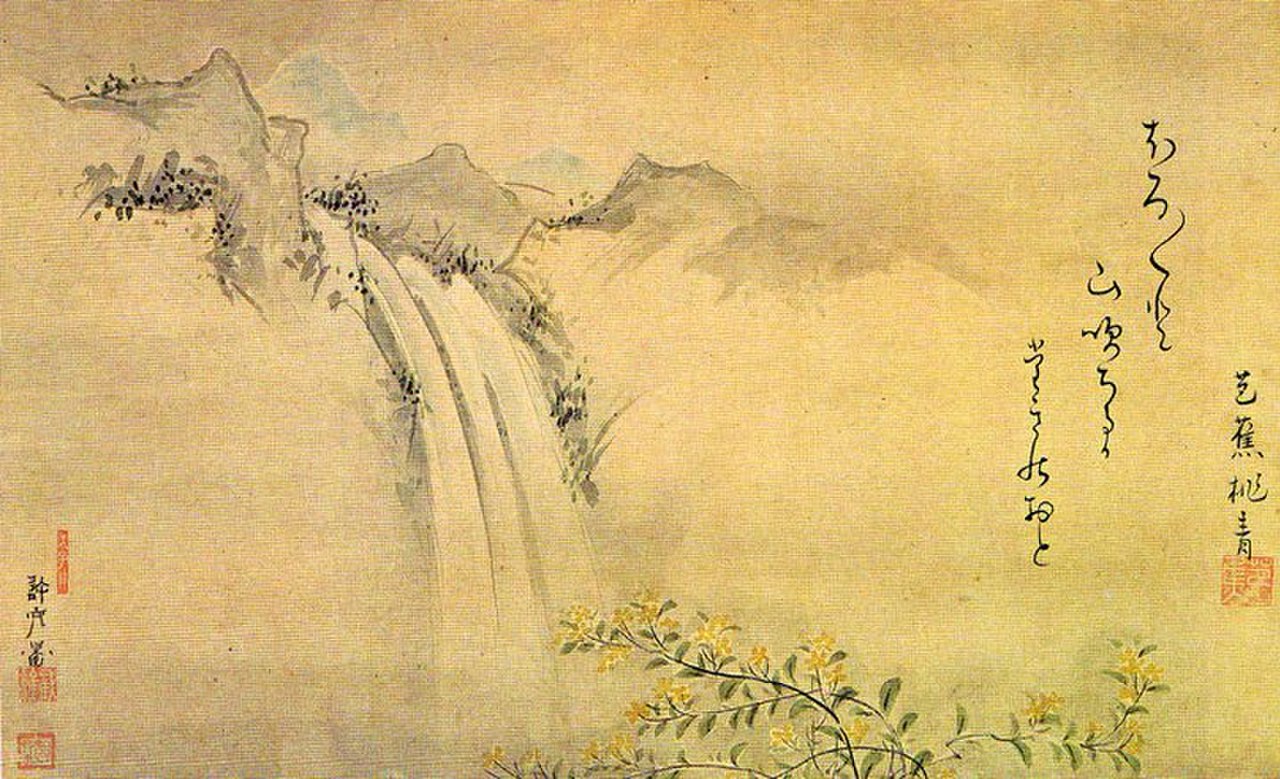
Haiku
The Aesthetic of 'Mono no Aware' in Haiku
Haiku is deeply intertwined with the Japanese aesthetic concept of 'mono no aware,' often translated as 'the pathos of things' or 'a sensitivity to ephemera.' This sensibility emphasizes the transient nature of life and the gentle sadness or wistfulness that accompanies the awareness of impermanence. Haiku poets, by focusing on fleeting moments in nature-a dewdrop, a falling leaf, the brief bloom of a cherry blossom-tap directly into this profound appreciation for the ephemeral.
The 5-7-5 structure, while seemingly rigid, provides a vessel for these delicate observations, allowing the reader to experience a moment of profound connection and poignant reflection on existence itself. The brevity forces an intense focus, making each word and image carry significant weight.
From Renga's Opening to Bashō's Revolution
The evolution of haiku from the 'hokku' of renga is a critical aspect of its development. Renga, a communal poetic dialogue, flourished in Japan for centuries. The hokku served as an introduction, establishing the season and a sense of place, often drawing from nature.
However, it was poets like Matsuo Bashō (1644-1694) who truly transformed the hokku into an independent art form. Bashō infused his poems with a deeper philosophical and spiritual dimension, drawing inspiration from Zen Buddhism and emphasizing direct observation and personal experience. He elevated the haiku from a mere opening verse to a profound meditation on life, nature, and the human condition, setting a standard that influenced generations of poets.
The Enduring Relevance of Haiku in a Modern Context
In an era saturated with information and rapid communication, haiku's minimalist aesthetic offers a powerful counterpoint. Its conciseness demands a heightened level of attention from both the writer and the reader, fostering a practice of mindfulness and deep observation. Haiku encourages us to find meaning and beauty in the ordinary, to slow down and engage with our surroundings.
Beyond personal reflection, haiku serves as a bridge between cultures, offering a glimpse into Japanese aesthetics and a universal language of shared human experience. Its adaptability has also led to its global spread, with poets worldwide embracing and innovating within the form, demonstrating its enduring power to capture the essence of a moment.
Deconstructing the Haiku
Understanding the structural and thematic elements of haiku reveals its sophisticated artistry. The 'kigo,' or seasonal word, is crucial for grounding the poem in a specific time, linking the human experience to the cyclical rhythms of nature. Examples range from 'snow' for winter to 'firefly' for summer.
The 'kireji,' or cutting word, acts as a caesura, creating a pause that divides the poem into two distinct parts, often juxtaposing two images or ideas. This juxtaposition is key to haiku's evocative power, prompting the reader to forge a connection between disparate elements, leading to an emergent insight or a subtle shift in perspective. This interplay between observation, seasonal context, and thoughtful division is what gives haiku its depth.
Haiku's Legacy
The legacy of haiku is rich, with masters like Matsuo Bashō, Yosa Buson, and Kobayashi Issa leaving behind a treasure trove of influential works. Bashō's iconic 'old pond' haiku exemplifies the form's ability to capture a singular, resonant moment with profound simplicity. Buson's vivid imagery and Issa's compassionate voice further expanded the thematic and stylistic range of haiku.
In contemporary times, haiku continues to evolve. While adhering to traditional principles, modern poets often explore urban landscapes, contemporary issues, and diverse personal experiences, demonstrating the form's remarkable flexibility. This ongoing adaptation ensures that haiku remains a vital and relevant mode of poetic expression, capable of capturing the essence of any time or place.
Go deeper
Frequently Asked Questions
What is a haiku?+
Why do haiku use seasonal words?+
How does a haiku show the feeling of "mono no aware"?+
Who made haiku famous?+
What is the cutting word in a haiku?+
Based on content from Wikipedia · Licensed under CC BY-SA 4.0