

Thai Airways International
Images

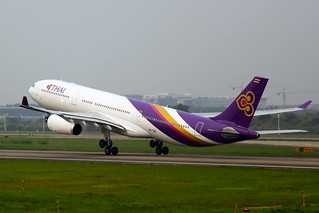
Thai Airways International Airbus A330-343X HS-TBE




Operational Excellence and Fleet Modernization
Thai Airways International operates a sophisticated fleet comprising both wide-body and narrow-body aircraft from leading manufacturers like Boeing and Airbus. This diverse fleet is strategically deployed to serve a network spanning 51 international and 10 domestic destinations, with a significant focus on routes connecting Asia, Europe, and Oceania. The airline's commitment to growth and modernization is evident in its substantial order book, with plans to expand its fleet to 143 aircraft by 2029.
This expansion is crucial for maintaining competitiveness, enhancing passenger experience, and increasing operational efficiency. The airline's primary hub at Suvarnabhumi Airport (BKK) in Bangkok is a critical node, facilitating seamless transfers and reinforcing its position as a major transit point in Southeast Asia. The ongoing integration of Thai Smile back into Thai Airways signifies a strategic consolidation aimed at streamlining operations and optimizing resource allocation for greater synergy.
The Science and Engineering of Global Air Travel
The operation of Thai Airways' fleet is a testament to advanced aerospace engineering and sophisticated air traffic management. Each aircraft, whether a wide-body like the Boeing 777 or an Airbus A350, is a marvel of aerodynamic design, powered by high-bypass turbofan engines that provide exceptional thrust-to-weight ratios and fuel efficiency. Pilots utilize complex flight management systems, integrating real-time data on weather, navigation, and aircraft performance to ensure safe and efficient flight paths.
The airline's adherence to stringent international safety standards, overseen by aviation authorities, underscores the critical role of engineering and rigorous training in maintaining operational integrity. This technological backbone enables Thai Airways to traverse vast distances, connecting diverse cultures and economies with remarkable precision and reliability.
Strategic Importance and Global Connectivity
As Thailand's flag carrier, Thai Airways International holds significant strategic importance, serving not only as a commercial entity but also as a symbol of national pride and a vital facilitator of international relations. Its extensive route network is instrumental in driving tourism, supporting trade, and fostering cultural exchange. The airline's role as a founding member of Star Alliance, established in 1997, amplifies its global reach and operational capabilities.
Membership in this premier airline alliance allows for integrated travel solutions, including code-sharing agreements, reciprocal frequent flyer benefits, and lounge access, enhancing the overall travel experience for millions of passengers worldwide. This collaborative framework strengthens Thai Airways' competitive position and its contribution to global connectivity.
Evolution and Strategic Adaptations in Aviation
The genesis of Thai Airways International in 1961 as a joint venture between SAS and the Thai Airways Company marked the beginning of a transformative journey. Over more than six decades, the airline has navigated the dynamic landscape of the aviation industry, adapting to market shifts and technological advancements. The establishment of Thai Smile in 2012 as a regional subsidiary was a strategic move to capture a segment of the short-haul market and compete effectively with low-cost carriers.
The subsequent decision to merge Thai Smile back into the parent company reflects a strategic re-evaluation, likely aimed at achieving greater economies of scale, simplifying management structures, and enhancing brand coherence. This continuous evolution underscores Thai Airways' resilience and its proactive approach to maintaining relevance and profitability in a highly competitive global market.
Economic Impact and Future Trajectory
Thai Airways International's operations have a profound economic impact, not only through direct employment and revenue generation but also by stimulating ancillary industries such as tourism, hospitality, and logistics. The airline's significant shareholding in Nok Air, a domestic low-cost carrier, further illustrates its strategic engagement with the broader Thai aviation ecosystem. As the airline looks towards 2029 with ambitious fleet expansion plans, it is poised to play an even more critical role in Thailand's economic development and its position as a regional aviation hub.
The focus on modern aircraft and expanded routes signals a commitment to sustainable growth, improved passenger services, and a strengthened competitive edge in the global aviation arena, ensuring its continued relevance in the decades to come.
See also
Frequently Asked Questions
What is Thai Airways International?+
How many places does Thai Airways fly to?+
Where does Thai Airways have its main airport?+
What kinds of planes does Thai Airways use?+
Why is Thai Airways part of Star Alliance?+
Based on content from Wikipedia · Licensed under CC BY-SA 4.0