

Sylhet Division
Images

Girl at Primary School - Srimangal - Sylhet Division - Bangladesh




Geographical Tapestry
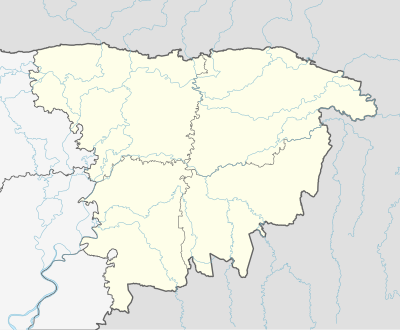
Sylhet Division occupies a unique geographical position in the northeastern extremity of Bangladesh, covering an area of approximately 12,298 square kilometers. Its landscape is predominantly defined by the Chittagong Hill Tracts’ northern extensions, resulting in a topography of rolling hills and fertile valleys, a stark contrast to the alluvial plains dominating much of Bangladesh. This region is characterized by a tropical monsoon climate, receiving exceptionally high rainfall, which is instrumental in sustaining its world-renowned tea gardens and lush vegetation.
The division’s borders are a defining feature: it is flanked by the Indian states of Meghalaya, Assam, and Tripura to the north, east, and south, respectively. Domestically, it connects to Chattogram Division to the southwest and Dhaka and Mymensingh Divisions to the west. This strategic location influences its ecological systems, biodiversity, and historical interactions with neighboring territories.
The presence of numerous rivers and wetlands further shapes its geography, supporting diverse flora and fauna and impacting local livelihoods through agriculture and fishing.
Historical Cartography
The administrative and geographical identity of Sylhet Division is significantly marked by historical events, most notably the Partition of India in 1947. Prior to this watershed moment, Sylhet was part of British India’s Assam Province. The Radcliffe Boundary Commission was tasked with demarcating the new borders between India and Pakistan (of which East Pakistan, now Bangladesh, was a part).
In a controversial decision, the Karimganj subdivision, which was historically and culturally linked to Sylhet, was severed from it and assigned to India, becoming part of Assam’s Barak Valley. Historical accounts suggest this decision was influenced by various factors, including the pleas of local delegations, such as one led by Abdul Matlib Mazumdar. This historical redrawing of boundaries has left a lasting impact on the region’s demographic composition, cultural connections, and administrative structure, creating a Sylhet that is distinct from its pre-partition configuration and fostering unique cross-border relationships and identities.
Cultural Mosaic
The cultural landscape of Sylhet Division is rich and multifaceted, deeply rooted in its history and the distinct identity of its people. A key element is the Sylheti language, which possesses its own script and distinct phonological features, differentiating it from Bengali, although Bengali is also widely spoken and understood. This linguistic heritage is a testament to the region’s unique cultural evolution.
Sylhet is also globally recognized for its significant diaspora, particularly in the United Kingdom. This large expatriate community maintains strong cultural and economic ties to their homeland, contributing substantially through remittances and fostering a unique transnational identity. The cultural expressions in Sylhet encompass traditional music, intricate handicrafts, and a distinctive cuisine that often features local herbs and spices.
Religious festivals and social gatherings play a crucial role in community cohesion, reinforcing shared values and traditions passed down through generations.
Economic Pillars
The economy of Sylhet Division is intrinsically linked to its natural resources and its global connections. Tea cultivation stands as the paramount industry, with Sylhet being synonymous with Bangladesh’s tea production. The vast, meticulously maintained tea estates provide significant employment and are a major contributor to the national economy.
Beyond agriculture, Sylhet possesses substantial natural gas reserves, making it a vital hub for Bangladesh’s energy sector. Agriculture, including rice cultivation and other crops, remains a fundamental economic activity for many residents. Furthermore, the division’s strategic border location facilitates trade and commerce with neighboring Indian states.
The economic influence of the Sylheti diaspora cannot be overstated; remittances from abroad form a critical component of the local economy, supporting household consumption, investment, and small businesses, thereby playing a pivotal role in the region’s overall economic development and stability.
Governance and Education
Sylhet Division functions within the broader administrative framework of Bangladesh, which is a unitary parliamentary republic. The division is headed by a Divisional Commissioner, who oversees the administrative functions of the constituent districts. Each district within Sylhet has its own Deputy Commissioner and local government bodies responsible for implementing policies and managing local affairs.
The judicial system follows the national structure, with courts at various levels. In terms of education, Sylhet Division hosts a range of educational institutions, from primary schools to higher education facilities. Shahjalal University of Science and Technology (SUST) in Sylhet City is a prominent institution, contributing to research and development in science and technology.
The division’s educational infrastructure aims to provide access to learning for its population, fostering human capital development, though challenges related to equitable access and quality persist, as in many developing regions. The educational system plays a crucial role in shaping the future workforce and contributing to the socio-economic progress of the division.
See also
Based on content from Wikipedia · Licensed under CC BY-SA 4.0