

Srinagar
Images
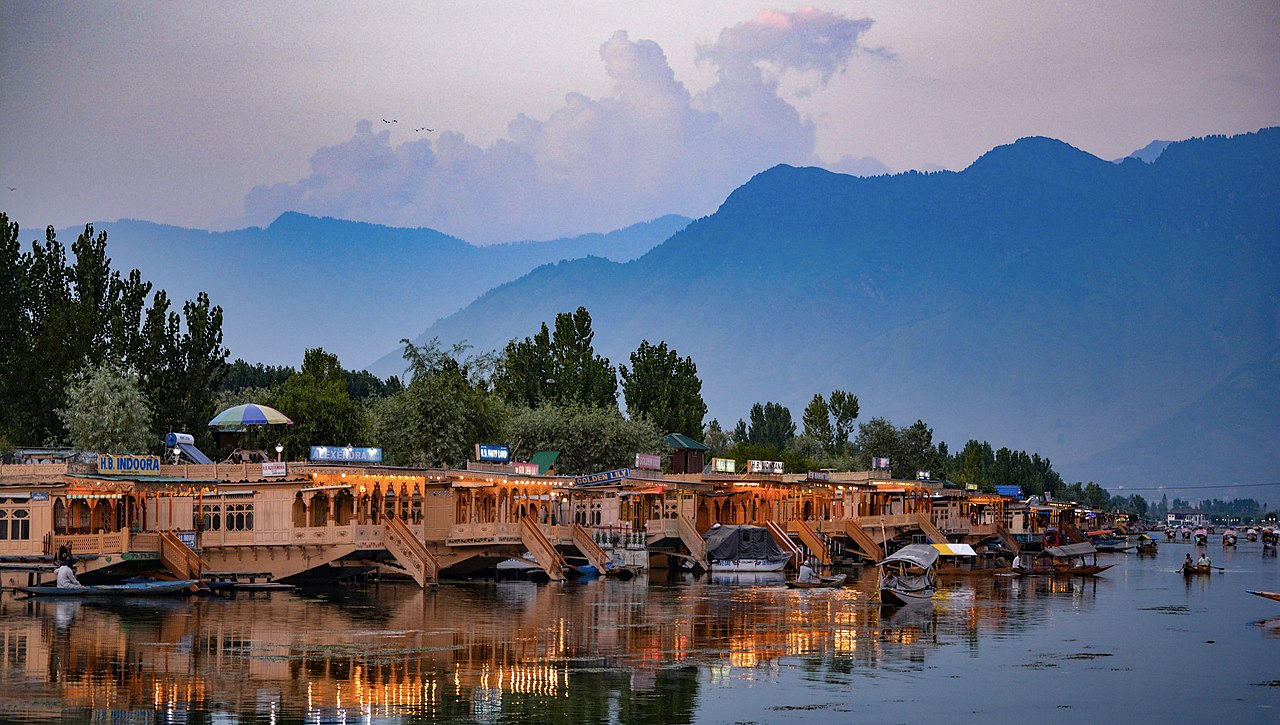
Srinagar
Geographical Canvas
Srinagar, the summer capital of Jammu and Kashmir, is strategically positioned within the expansive Kashmir Valley, a geographical marvel cradled by the Pir Panjal and Great Himalayan ranges. This location dictates its unique climate: temperate summers with pleasant temperatures and distinct, cold winters characterized by significant snowfall, particularly in the surrounding higher altitudes. The city's morphology is intrinsically linked to the Jhelum River, a vital artery that flows through its heart, shaping its urban development and providing essential water resources.
The presence of Dal Lake and Nagin Lake, vast freshwater bodies, is perhaps Srinagar's most defining geographical feature. These lakes are not merely scenic attractions but are integral to the city's ecosystem and socio-economic fabric, supporting a unique houseboat culture and diverse aquatic life. The valley's fertile alluvial soil, deposited by the river system, also underpins its agricultural productivity, notably in horticulture and saffron cultivation, making the geography a direct contributor to the local economy.
Chronicles of Srinagar
Srinagar boasts a history stretching back over two millennia, with its origins often attributed to Emperor Ashoka in the 3rd century BCE, who is said to have established the city of Srinagarapura. Over centuries, it served as a crucial center for Buddhism and later embraced Islam. The city's strategic importance attracted various rulers, most notably the Mughals, who profoundly influenced its architectural and aesthetic landscape.
Emperors like Jahangir were captivated by its beauty, leading to the construction of iconic terraced gardens such as Shalimar Bagh and Nishat Bagh, designed with Persian influences and intended as representations of paradise on Earth. Following the decline of Mughal rule, Srinagar passed through Afghan and Sikh administrations before becoming part of the princely state of Jammu and Kashmir under Dogra rule after the Treaty of Amritsar in 1846.
The post-independence era brought significant political shifts and challenges, shaping Srinagar's contemporary identity as a city navigating complex historical legacies and striving for stability and development.
Cultural Mosaic
The cultural identity of Srinagar is a rich amalgamation of indigenous Kashmiri traditions and influences from centuries of trade and migration. The Kashmiri language, along with Urdu and Hindi, forms the linguistic backbone of the city. At its core, Srinagar's culture is expressed through its vibrant arts and crafts.
The world-renowned Pashmina wool, sourced from the Changthangi goat, is meticulously woven into exquisite shawls and textiles, representing a pinnacle of artisanal skill. Intricate wood carving, particularly of walnut wood, adorns furniture, doors, and decorative items, showcasing generations of craftsmanship. Papier-mâché, a decorative craft involving molded pulp, is another significant art form, producing colorful bowls, boxes, and ornaments.
Culinary traditions are equally significant, epitomized by the Wazwan, a lavish multi-course feast often featuring lamb dishes prepared with aromatic spices, reflecting a deep sense of community and celebration. Music, including folk traditions and Sufi influences, further enriches the cultural tapestry.
Economic Landscape
Srinagar's economy is a dynamic interplay between its historical strengths and contemporary economic drivers. Tourism remains a cornerstone, capitalizing on the city's unparalleled natural beauty, including Dal Lake, its houseboats, and the surrounding Himalayan vistas. The hospitality sector, encompassing hotels, guesthouses, and the unique houseboat experience, generates substantial revenue and employment. Handicrafts constitute another vital economic pillar, providing livelihoods for a significant portion of the population involved in the production and trade of Pashmina, carpets, wood carvings, and papier-mâché.
Agriculture, particularly horticulture, is crucial, with the valley being a major producer of apples, walnuts, almonds, and cherries, which are exported globally. Saffron cultivation in the surrounding areas is also a high-value agricultural activity. The city functions as a commercial hub for the region, facilitating trade in these diverse sectors.
However, the economy is also susceptible to external factors, including political stability and climate change, necessitating diversification and sustainable development strategies.
Governance and Education
As the summer capital, Srinagar plays a pivotal role in the administrative framework of Jammu and Kashmir. The city houses key government offices and legislative bodies, making it the center of political activity during the warmer months. The governance structure involves a municipal corporation responsible for urban planning, public services, and civic administration within the city limits.
The educational landscape of Srinagar is robust, catering to a diverse student population from primary to tertiary levels. The city hosts numerous government and private schools, colleges, and specialized institutions. The University of Kashmir, located near Srinagar, is a prominent institution offering a wide range of academic programs and contributing to research and development in various fields.
Efforts are continuously made to enhance educational infrastructure and access, aiming to equip the youth with the skills needed for both local and global opportunities, thereby fostering human capital development within the region.
Go deeper
Frequently Asked Questions
What makes Srinagar famous for its houseboats?+
Why do the winters in Srinagar get so snowy?+
How does the Jhelum River help the city?+
Where does the famous saffron grown in Srinagar come from?+
What are some arts and crafts people make in Srinagar?+
Based on content from Wikipedia · Licensed under CC BY-SA 4.0