

São Luís, Maranhão
Images

São Luís - Maranhão




Geographical Identity
São Luís occupies a distinctive geographical position as the capital of Maranhão, situated entirely on Upaon-açu Island. This island location, nestled within the Baía de São Marcos, is a crucial element of its identity. The bay serves as an estuary for several major rivers, including the Pindaré, Mearim, and Itapecuru, creating a complex hydrological system that influences the local environment and economy.
The city boasts a substantial maritime extension of 640 kilometers, positioning it as a significant coastal entity within Brazil. Its metropolitan area is one of the largest in the country, indicating a considerable population concentration. The climate is characterized by high temperatures and humidity, typical of the equatorial zone, supporting a rich biodiversity and influencing urban planning and daily life.
This unique island setting, combined with its riverine and oceanic connections, shapes São Luís's ecological character and strategic importance.
Colonial Origins and Enduring Heritage
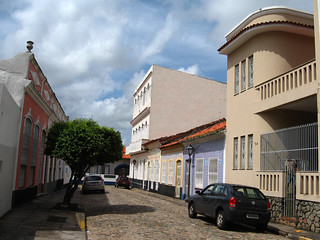
The historical narrative of São Luís is unique among Brazilian state capitals, as it was founded by France in 1612 as 'Saint-Louis-de-Maragnan.' This French colonial origin sets it apart from most other major Brazilian cities, which were primarily established by the Portuguese. The city's historical core, dating back to the 17th century, has remarkably preserved its original street plan. This architectural and urbanistic integrity led to its designation as a UNESCO World Heritage Site in 1997.
The well-preserved colonial buildings, characterized by their distinctive tile facades and architectural styles, offer a tangible link to the city's past. This heritage is not merely aesthetic; it represents a significant cultural asset that attracts tourism and informs the city's identity, making it a living museum of colonial urban development.
Cultural Tapestry
São Luís is a vibrant cultural hub, renowned for its rich artistic traditions and significant contributions to Brazilian arts and literature. The city's visual landscape is marked by its colorful colonial architecture, a testament to its historical influences. Musically, São Luís is celebrated as the birthplace of Alcione, a celebrated samba singer, and has a strong connection to Música popular brasileira (MPB).
The sounds of Bossa Nova and other Brazilian rhythms often echo through its streets. Furthermore, the city has been a fertile ground for literary talent, producing acclaimed writers such as Aluísio Azevedo, known for his naturalistic novels, and Ferreira Gullar, a prominent poet and essayist. The presence of these cultural figures underscores São Luís's role as a significant center for creative expression in Brazil, fostering a unique cultural identity that blends its historical roots with contemporary artistic endeavors.
Economic Powerhouse
Economically, São Luís is a vital center, primarily driven by its strategic port infrastructure and industrial activities. The city hosts two major seaports, Madeira Port and Itaqui Port, which are critical for Brazil's export economy. Itaqui Port, in particular, is a major hub for the export of iron ore originating from the Carajás region, one of the world's largest mining complexes.
This makes São Luís a crucial node in the global supply chain for raw materials. Major industrial players like Alumar (aluminum production) and Vale (mining and logistics) have significant operations in the city, contributing substantially to its economic output and employment. The city's industrial base is largely focused on metallurgy and resource processing, leveraging its access to raw materials and its advantageous port facilities to connect with international markets.
The Pillars of Knowledge
São Luís serves as a significant educational and research center in the Maranhão region. It is home to prominent institutions of higher learning, including the Federal University of Maranhão (UFMA) and the State University of Maranhão (UEMA). These universities are crucial for fostering intellectual development, conducting scientific research, and training future professionals across various disciplines.
UFMA, established in 1966, offers a wide range of undergraduate and graduate programs, contributing to the advancement of knowledge in fields relevant to the region's development, such as environmental science, engineering, and social sciences. UEMA, founded in 1975, also plays a vital role in regional education and research. Together, these institutions form the backbone of the city's academic landscape, attracting students from across the state and beyond, and contributing to São Luís's reputation as a center for learning and innovation.
See also
Frequently Asked Questions
Where is São Luís located?+
Why is São Luís special?+
What makes São Luís a cultural hub?+
How does São Luís help Brazil's economy?+
What is the climate like in São Luís?+
Based on content from Wikipedia · Licensed under CC BY-SA 4.0