

Shower
Images
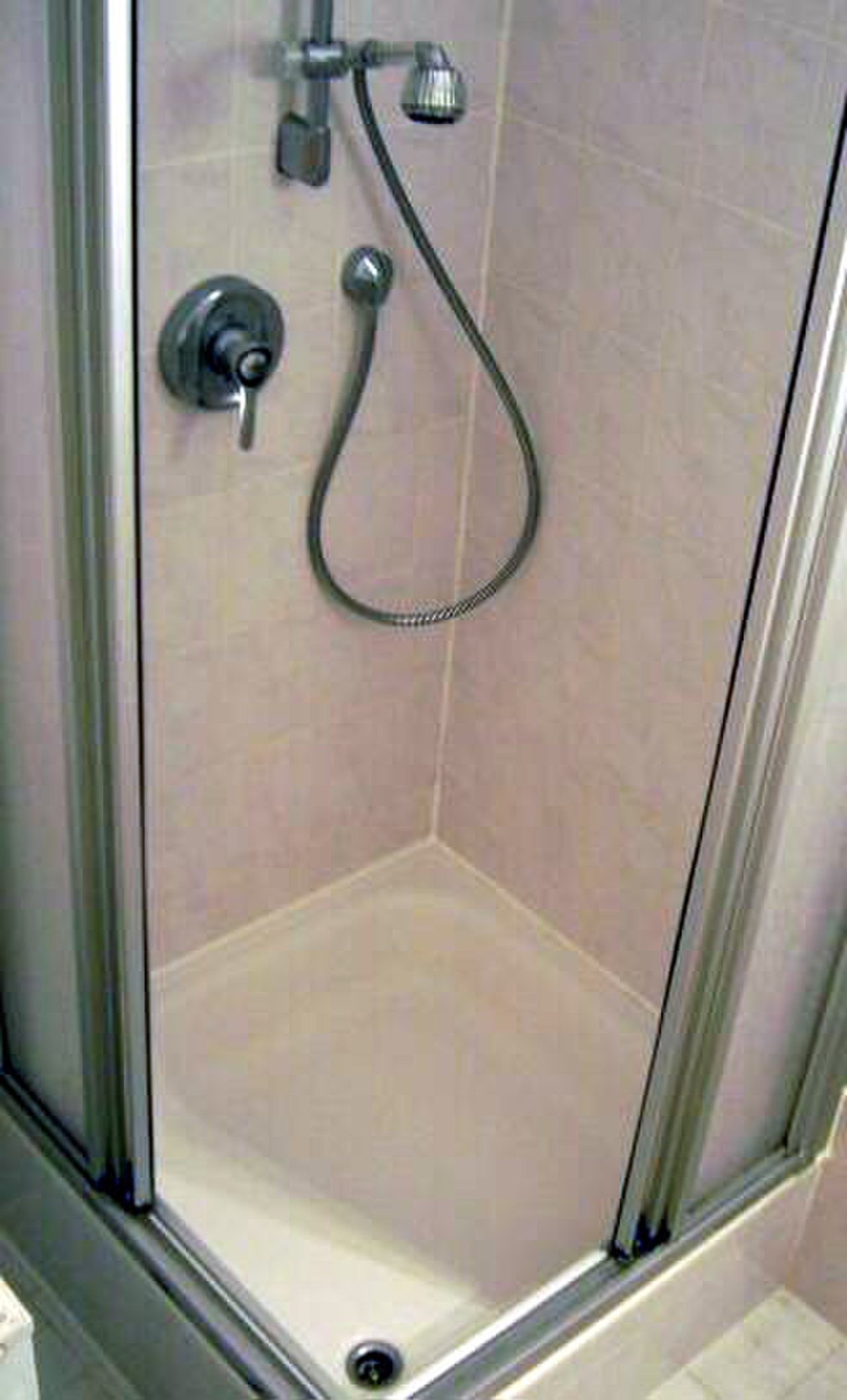
Shower
The Shower
The shower, a device for washing the body with sprayed water, has a history deeply intertwined with human civilization's pursuit of cleanliness and well-being. Its origins can be traced back to ancient Greece and Rome, where sophisticated aqueduct systems supplied water for public baths and gymnasiums, which included rudimentary showering facilities. These were not just about hygiene but also social and recreational hubs.
The concept of a private, controlled water cascade for individual cleansing evolved slowly. Early modern showers in the 18th and 19th centuries were often cumbersome, requiring manual heating and application of water. The invention of the showerhead, particularly with its ability to atomize water, marked a significant technological advancement, making showering more efficient and accessible.
Today, the shower is a ubiquitous fixture in most households, representing a fundamental aspect of personal hygiene and daily routine, a far cry from its ancient predecessors.
The Historical Trajectory of Personal Cleansing
The journey of the shower reflects broader societal changes in sanitation, technology, and lifestyle. While ancient civilizations utilized communal bathing and early forms of showering, the Middle Ages saw a decline in public bathing due to fears of disease transmission. The Renaissance brought a renewed interest in hygiene, but widespread adoption of showers remained limited by plumbing infrastructure and water heating capabilities.
The 19th century was pivotal, with inventors like Joseph Bramah patenting early shower designs. However, it was the development of efficient plumbing and reliable water heaters in the 20th century that truly democratized the shower. This period saw the proliferation of standardized shower units, incorporating features like adjustable temperature controls and varied spray patterns, transforming it from a luxury to a daily necessity for billions worldwide.
The Multifaceted Significance of the Shower
Beyond its primary function of physical cleansing, the shower holds significant importance in modern society. It is a cornerstone of public health, drastically reducing the transmission of infectious diseases by facilitating the removal of pathogens from the skin. On a personal level, the shower offers profound psychological benefits.
The sensory experience-the warmth, the sound, the feeling of water-can alleviate stress, improve mood, and promote relaxation. For many, the shower serves as a private sanctuary, a space for contemplation, mental preparation for the day ahead, or unwinding before sleep. Furthermore, the shower's efficiency in water usage compared to traditional baths contributes to environmental conservation efforts, a growing concern in a world facing water scarcity.
Engineering the Cascade
The operation of a modern shower is a testament to applied physics and engineering. Water enters the shower system under pressure from the municipal supply or a private pump. It flows through pipes to the shower valve, which controls both the flow rate and temperature by mixing hot and cold water.
From the valve, water travels to the showerhead. The showerhead is engineered with precisely sized nozzles. As water is forced through these small orifices, its velocity increases, and it breaks into smaller droplets, creating the characteristic spray.
The design of these nozzles dictates the spray pattern, ranging from a wide, gentle rain effect to a focused, high-pressure stream. Advanced showerheads may incorporate aeration to mix air with water, creating a softer feel and potentially reducing water consumption.
Global Variations and Future Innovations in Showering
The shower experience is not uniform globally. Cultural norms, economic conditions, and water availability significantly influence showering habits and technology. In regions with limited water resources, water-saving showerheads, shorter shower durations, and alternative cleansing methods are prevalent.
Conversely, in affluent societies, features like digital temperature controls, integrated sound systems, and multi-function massage jets are common. The future of showering is likely to focus on enhanced sustainability and user experience. Innovations include smart shower systems that monitor water usage, advanced filtration for water purification, and even the integration of therapeutic elements like chromotherapy (light therapy) and aromatherapy.
The ongoing drive is towards making showers more efficient, environmentally friendly, and personalized.
See also
Frequently Asked Questions
What is a shower?+
How did showers start in ancient times?+
Why do we use showers instead of baths?+
How does a shower control the water temperature?+
What are some benefits of taking a shower?+
Based on content from Wikipedia · Licensed under CC BY-SA 4.0