

Royal Canadian Mounted Police
Images

Royal Canadian Mounted Police hockey team, 'A” Division, ca. 1930 / Équipe de hockey de la division « A » de la Royale Gendarmerie à cheval du Canada, vers 1930




From Frontier Force to National Service
The Royal Canadian Mounted Police (RCMP) traces its origins to the North-West Mounted Police (NWMP), established in 1873 to assert Canadian sovereignty and maintain law and order in the vast western territories. The NWMP's early mandate was crucial for settling the frontier, building relationships with Indigenous peoples, and enforcing federal laws in areas with limited infrastructure. In 1920, the NWMP merged with the Dominion Police, a federal law enforcement agency focused on customs and excise, to form the RCMP.
This amalgamation significantly broadened the RCMP's scope, integrating federal policing responsibilities with its traditional role. The transition from a predominantly mounted force to a modern, diverse police service reflects Canada's own evolution. While horses remain integral to ceremonial duties, symbolizing heritage and tradition, the operational reality of the RCMP is now characterized by advanced technology, specialized units, and a deep understanding of contemporary criminal challenges.
This historical continuity, coupled with adaptation, underscores the RCMP's enduring presence and relevance.
The RCMP's Extensive Operational Reach and Federal Authority
The RCMP functions as Canada's national police service, a unique model where a single federal agency provides policing across a vast and diverse nation. While provinces like Ontario and Quebec maintain their own provincial police forces (OPP and Sûreté du Québec, respectively), the RCMP serves under contract in all other provinces and territories. This contractual policing model extends to over 150 municipalities and a significant number of Indigenous communities, highlighting the RCMP's role as a primary law enforcement provider at multiple levels of government.
Its federal mandate is extensive, encompassing the enforcement of federal statutes, investigation of inter-provincial and international crime, border integrity, counter-terrorism efforts both domestically and abroad, and the management of national programs like the Canadian Firearms Program. Furthermore, the RCMP is responsible for the Canadian Police College, which offers advanced training to Canadian and international law enforcement personnel, solidifying its role as a leader in police education and best practices.
Operational Modalities and Adaptability in Modern Policing
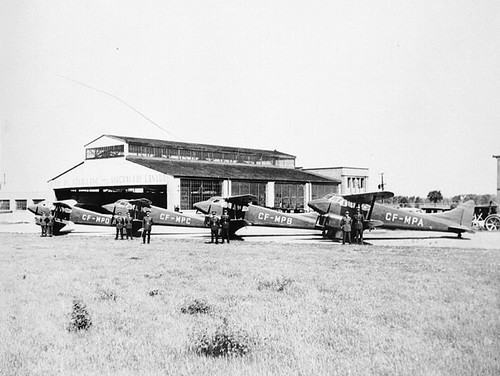
The operational framework of the RCMP is characterized by its adaptability to Canada's varied geography and evolving security landscape. Despite the 'Mounted' in its name, the force has long since moved beyond a reliance on horses for daily duties. Modern RCMP operations utilize a wide array of transportation and technology, from patrol cars and aircraft to specialized units focused on cybercrime, forensic analysis, and organized crime investigations.
The force's commitment to community policing is evident in its presence in remote and rural areas, where officers often serve as the sole law enforcement presence. This requires a broad skill set, encompassing everything from traditional investigative techniques to crisis negotiation and community engagement. The RCMP's involvement in international peacekeeping missions further demonstrates its global reach and commitment to promoting justice and security beyond Canada's borders, showcasing a sophisticated and multi-faceted approach to modern policing challenges.
Cultural Significance and National Identity
The RCMP holds a unique and powerful position in Canadian cultural iconography. Often referred to colloquially as 'The Mounties,' they are widely recognized internationally as a symbol of Canada. This perception is reinforced through popular culture, historical narratives, and the enduring image of the red serge uniform.
Statistics Canada surveys have consistently shown a high level of public regard, with a significant majority of Canadians viewing the RCMP as an important component of their national identity. This symbolic status transcends mere law enforcement; it represents Canadian values of order, fairness, and resilience. The force's historical role in nation-building, its visible presence in communities, and its commitment to public service contribute to this deep-seated cultural significance, making the RCMP an integral part of the Canadian collective consciousness.
The RCMP's Role in Federal Law Enforcement and National Security
As Canada's national police service, the RCMP's federal mandate is critical to the country's security and legal framework. They are tasked with enforcing over 200 federal statutes, a responsibility that spans a wide range of activities from economic crime and intellectual property theft to national security threats. Their investigative purview extends to crimes that cross provincial and international borders, requiring sophisticated intelligence gathering and inter-agency cooperation.
The RCMP's role in border integrity is paramount, working to prevent the illicit movement of goods and people. In the realm of counter-terrorism, the force plays a vital role in intelligence gathering, disruption operations, and investigations aimed at preventing attacks. The management of the Canadian Firearms Program also falls under their federal duties, underscoring their involvement in public safety initiatives that have national implications.
This broad federal authority positions the RCMP as a cornerstone of Canada's national security apparatus.
See also
Frequently Asked Questions
What are the Royal Canadian Mounted Police also called?+
Why do the Mounties still use horses in parades?+
How do the Mounties keep people safe in Canada?+
Where do the Mounties work in Canada?+
What special jobs do Mountie officers have?+
Based on content from Wikipedia · Licensed under CC BY-SA 4.0